
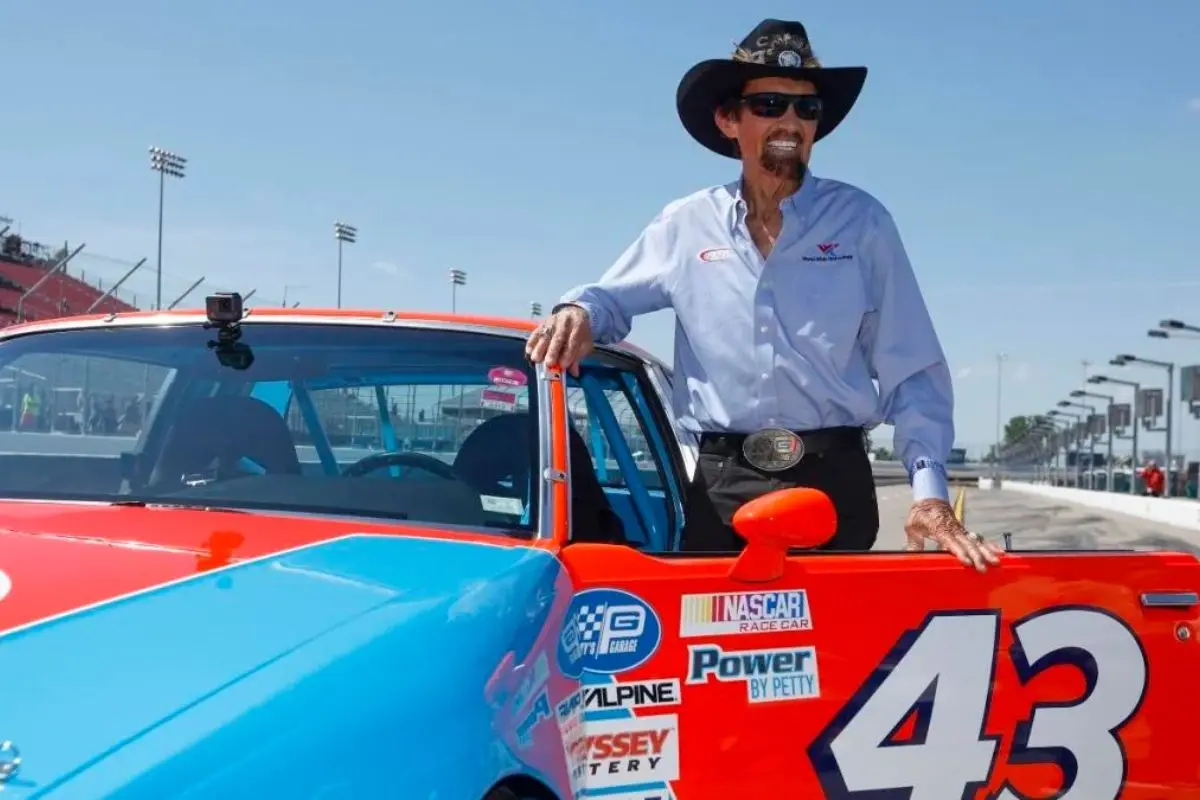
Richard Petty’s legendary career is one of the most captivating stories in NASCAR history. But what made him stand out as NASCAR’s greatest of all time? From his early years in racing to dominating the sport with 200 wins, Richard’s journey wasn’t always smooth. Controversies, challenges, and unforgettable moments shaped his legacy.
The Birth of a NASCAR Dynasty: Richard Petty’s Early Years
Richard Lee Petty was born on July 2, 1937, in Level Cross, North Carolina, into a family already deeply embedded in motorsports. His father, Lee Petty, was a three-time NASCAR Grand National Champion and the winner of the inaugural Daytona 500 in 1959. Richard’s exposure to racing was from an early age, watching his father dominate the track. Richard later reflected on his deep-rooted connection to the sport. For Richard, motorsports was not just a career—it was the family business.
His upbringing in the world of racing provided him with the tools to succeed, and his father’s influence helped mold him into a future legend. Lee Petty’s advice and mentorship were integral in Richard’s development as a driver, ensuring that he was prepared for the high demands of NASCAR.
Rising to Fame: Early Racing Success and Record-Breaking Achievements
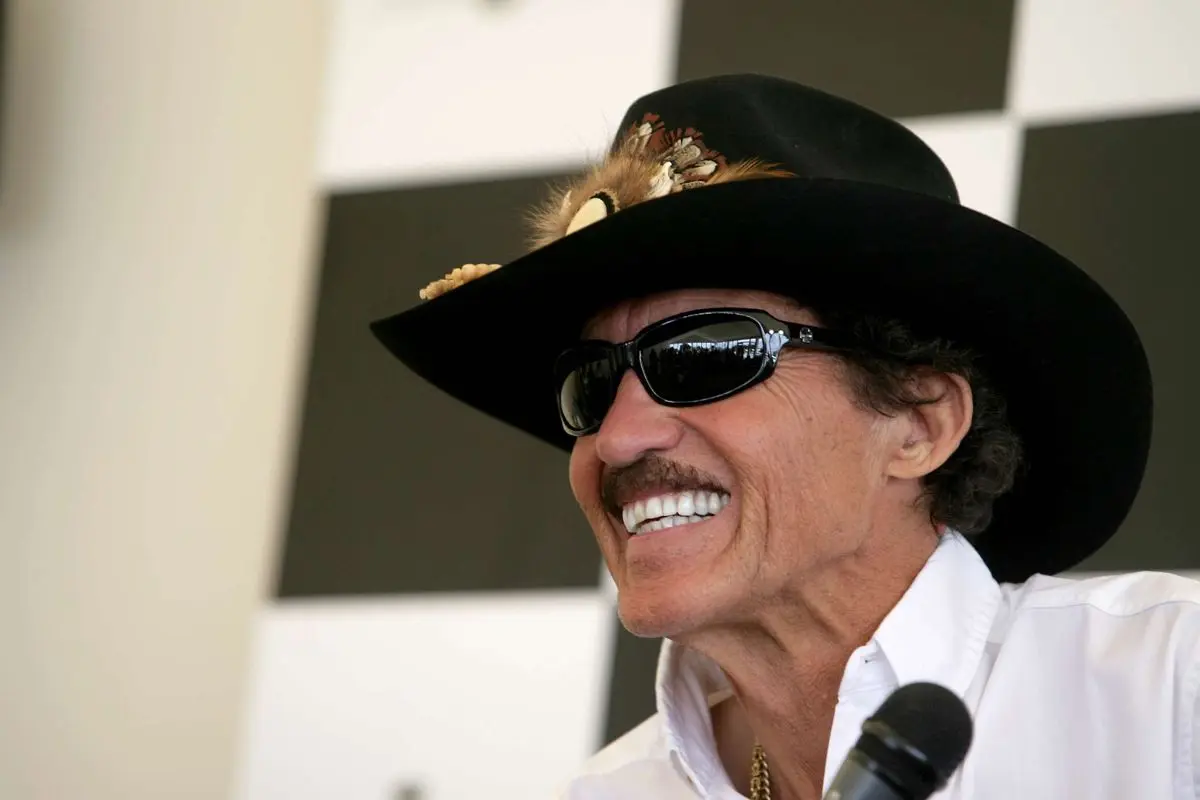
Richard Petty’s NASCAR career officially began in 1958, and his impressive early results showed that he was ready to make a name for himself. In 1959, Richard was named NASCAR’s Rookie of the Year, and by 1960, he secured his first victory at the Charlotte Speedway. It was just the beginning of a remarkable career.
Throughout his career, Petty amassed 200 wins, making him the most successful driver in NASCAR history. He also captured seven NASCAR Cup Series Championships, a record that no driver has yet surpassed. Over the span of his career, Petty shattered expectations, setting multiple records, including 127 pole positions. Richard once won 10 consecutive races in 1967—a feat that still stands as the longest win streak in NASCAR history.
His victory streak in 1967 was so dominant that a “Beat Richard Petty Club” was formed, highlighting just how impressive his run had been. Richard’s ability to perform week in and week out placed him in a league of his own.
The 1970s: Petty’s Peak and the Golden Age of NASCAR
The 1970s marked the peak of Richard Petty’s career, a time when he became synonymous with NASCAR. Petty captured the NASCAR championship multiple times during this period, securing titles in 1971, 1972, 1974, 1975, and 1979. But it was the 1979 Daytona 500 that remains one of the most significant moments in both Petty’s career and in NASCAR history.
Petty’s win in 1979 came during a race that changed the landscape of NASCAR forever. For the first time, the Daytona 500 was broadcast live on national television from start to finish, allowing fans across the country to witness one of the most dramatic moments in the sport’s history. On the final lap, Cale Yarborough and Donnie Allison collided, leaving the door open for Petty to cruise to victory.
Petty was asked about the post-race fight that broke out between Yarborough and Allison. He famously said, “Where’s the fight?” The moment encapsulated Richard’s calm demeanor amidst the chaos surrounding him, and it only further cemented his status as NASCAR royalty.

Controversies and Challenges: Petty’s Struggles with the Sport
Despite his overwhelming success, Richard Petty’s career was not free of controversies. One of the most challenging moments came in 1965 when NASCAR introduced new engine regulations. Petty’s Plymouth engine was deemed illegal, and he temporarily left the circuit to focus on drag racing. A tragedy struck when an accident at Southeastern Dragway resulted in the death of an 8-year-old boy, leading to a lawsuit. Though the case was eventually settled, it was a difficult chapter in Petty’s career.
Another controversy occurred in 1971 during the Myers Brothers 250, where Bobby Allison’s win in a sportsman-class car prevented Petty from claiming a victory. Petty’s frustration was evident, and after the race, he refused to sign autographs. Though these controversies made headlines, Petty’s passion for racing never wavered, and he continued to build his legacy.
Another notable controversy occurred in 1983, when Petty’s 198th career victory was revealed to have had an illegal engine and improperly mounted tires. Despite facing fines and penalties, Petty’s victory was upheld, adding to the complex nature of his career.
The Final Lap: Richard Petty’s Retirement and Legacy
Petty’s final NASCAR victory came in 1984 during the Firecracker 400 at Daytona International Speedway. This win was not only a milestone for Petty—it was his 200th career victory. The race was attended by President Ronald Reagan, the first sitting U.S. president to attend a NASCAR race. Petty’s last victory was a fitting way to cap off his career.
Petty officially retired from NASCAR in 1992 after his final race at Atlanta Motor Speedway. Though he finished 35th in the race, it was a tearful farewell to a career that had redefined the sport. The NASCAR community paid tribute to Petty, and fans gave him a heartfelt salute.
Even after his retirement, Petty remained an active figure in motorsports. He became a spokesperson for various brands, continued to lend his expertise to NASCAR’s development, and appeared in the animated movie Cars, where he voiced the character “The King.”

Richard Petty’s Most Memorable Moments on the Track
Richard Petty’s career was filled with unforgettable moments that showcased his skill and determination. The 1979 Daytona 500 win remains one of the most iconic races of his career, and his 1967 Southern 500 victory, where he led 345 out of 364 laps, solidified his dominance on the track. In that race, he was nearly untouchable, leading every lap and claiming a commanding victory.
Petty’s 1984 Firecracker 400 victory also stands as one of the most memorable moments in NASCAR history. “It was a moment that I’ll never forget,” Petty said, referring to the emotional significance of winning his 200th race at such a monumental event.
The King’s Lasting Impact on NASCAR
Richard Petty’s legacy extends far beyond his remarkable racing achievements. His contributions to safety in the sport are immense, including advocating for the introduction of innovations such as nylon window screens, roll bars, and two-way radios. These changes significantly improved the safety of NASCAR and set a new standard for the sport.
Petty’s influence also helped elevate NASCAR to new heights, making it more accessible and popular than ever before. His induction into the NASCAR Hall of Fame in 2010 was just one of the many honors recognizing his monumental impact on the sport. In 1992, Petty was awarded the United States Medal of Freedom, a testament to his status as one of the greatest American athletes.
Richard Petty’s impact on NASCAR is undeniable. He defined an era of racing with his remarkable skill, leadership, and innovation. His legendary status as “The King” ensures that his legacy will live on for generations to come. Through his achievements on the track, his contributions to the sport, and his influence on future generations of drivers, Richard Petty’s legacy is forever etched into the history of NASCAR.

News in Brief: Richard Petty’s Legendary Career
Richard Petty’s Legendary Career spanned decades, filled with groundbreaking victories, challenges, and a lasting impact on NASCAR. From winning 200 races to dominating the 1970s, Petty’s skill and leadership set a new standard in the sport. His contributions to NASCAR’s safety and growth ensured that his legacy would never be forgotten. Despite controversies and setbacks, Petty’s resilience and determination made him a true icon
ALSO READ: Richard Petty’s Family Grows Stronger as NASCAR Legend Welcomes Identical Twins

