Occoneechee Speedway, the last remaining dirt track from NASCAR’s first season in 1949, sits abandoned and forgotten. Once a vibrant hub of racing, it now lies hidden in the woods, its history fading away. But could this iconic track ever come back to life? NASCAR fans still remember the glory days, and the mystery of what’s next for Occoneechee has them wondering: will this piece of NASCAR history ever roar back to life?
Key Highlights
- The preservation of Occoneechee Speedway on the National Register of Historic Places supports potential revival efforts.
- Governor Cooper’s $18 million allocation for renovation highlights significant state-level financial support for the speedway’s revival.
- Community interest, spurred by Dale Earnhardt Jr.’s involvement, highlighting strong local support for restoration activities.
- Revitalization efforts can boost local tourism and economy, benefiting nearby businesses and creating job opportunities.
- Collaboration among stakeholders is essential to align interests and ensure successful restoration of Occoneechee Speedway.
The Legacy of Occoneechee Speedway in NASCAR History
Occoneechee Speedway stands as a tribute to the formative years of NASCAR, embodying a rich legacy within its now quiet confines. This one-mile oval, nestled in the heart of North Carolina, was a cornerstone of the sport‘s early days, hosting races that etched unforgettable moments into the annals of racing history.
As the last remaining dirt track from NASCAR’s inaugural season in 1949, Occoneechee serves as a poignant reminder of an era where raw skill and daring resolve ruled the track. Owned by Bill France Sr., a crucial figure in NASCAR’s establishment, the Speedway was graced by legendary drivers whose skill defined a generation.
Its grounds, now reclaimed by nature, echo the roar of engines and the cheers of fervent fans who once filled the stands. The contrast of overgrown foliage against the remnants of faded concrete and rusted vehicles paints a vivid picture of a bygone era, where the symbiosis of man and machine was unencumbered by modern technology.
Despite its dormancy over the past fifty years, Occoneechee’s legacy endures, a reflection of its influential role in shaping the sport. It remains a silent witness to the evolution of NASCAR, offering historians and enthusiasts a tangible link to its origins.
The track’s historical significance is undiminished by its current state, serving as a muse for nostalgia and a lighthouse for those who yearn to explore the roots of American stock car racing.
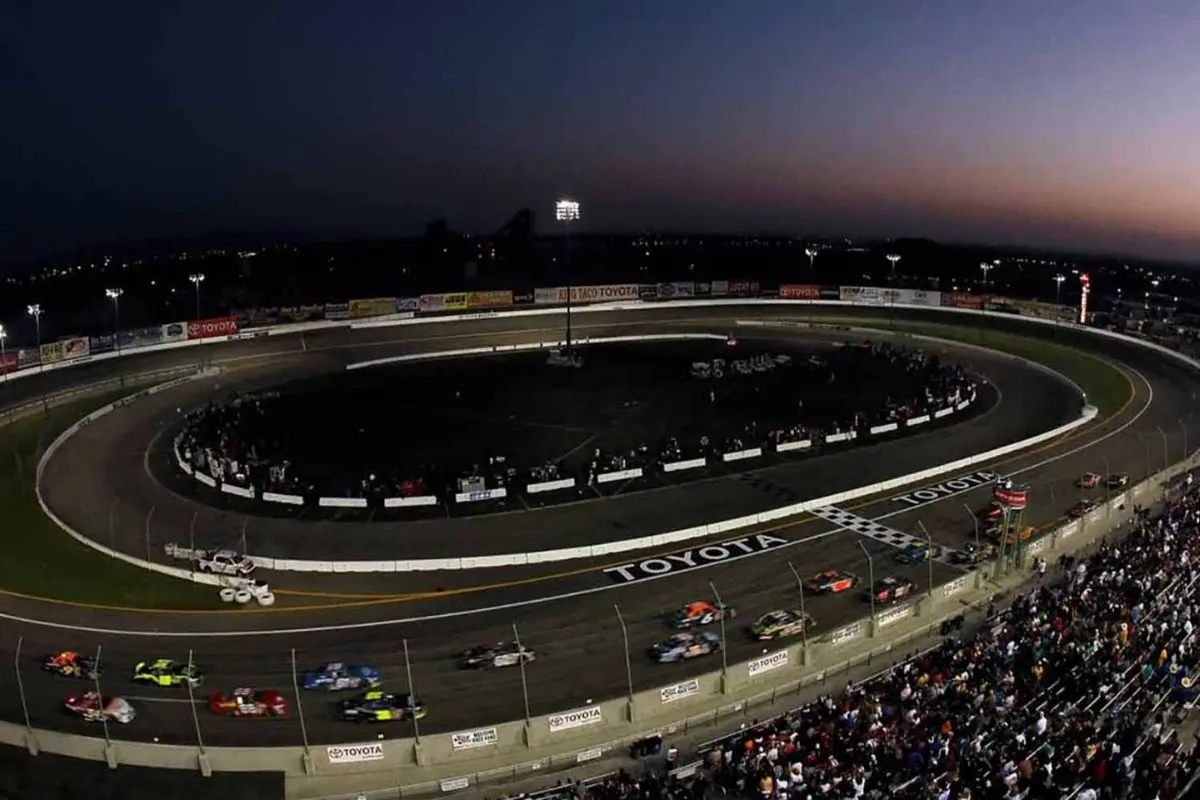
The Early History of Occoneechee Speedway and Its Transition to NASCAR
As one reflects on the enduring impact of Occoneechee Speedway within NASCAR history, it is essential to examine its origins and the path that led to its place in motorsport lore. The Speedway’s genesis can be traced back to the late 19th century on the banks of the Eno River. The land, once owned by Julian Carr, served as a stage for equine competition, a reflection of its longstanding association with racing.
Carr, who acquired the property from James Hogg—a trustee of the University of North Carolina—renamed it Occoneechee Farm. This name honored the Occoneechee tribe, imbuing the site with historical significance beyond the sphere of sport.
The shift from horse racing to car racing marked a critical transformation for Occoneechee. This evolution was spearheaded by Bill France Sr., the visionary who saw potential in the dirt track nestled in Hillsborough’s verdant woods. France Sr.’s foresight aligned with NASCAR’s burgeoning ambitions, turning a once-quiet farm into a crucible for automotive competition.
The Speedway became an essential cog in the machinery of NASCAR’s expansion, serving as one of the original tracks in the inaugural NASCAR Grand National Series.
While nature has reclaimed much of the track, the remnants of its racing past remain a poignant reminder of a time when the thrum of engines and the thrill of competition echoed through the Carolina woods. This legacy continues to resonate with those who appreciate the intricate tapestry of motorsport history.
The Decline and Closure of Occoneechee Speedway
In the shifting landscape of NASCAR’s early development, the decline of Occoneechee Speedway stands as a poignant narrative of cultural and infrastructural transformation. Nestled in the heart of North Carolina, Occoneechee once thrived amid a burgeoning motorsport scene that saw tracks sprouting in Wilkesboro, Raleigh, and Rockingham. Yet, despite its promising beginnings, Occoneechee succumbed to societal influences, highlighting the friction between regional traditions and the nascent allure of stock car racing.
Occoneechee’s narrative diverged sharply from those of its contemporaries as local officials decried the neglect of Sunday church services in favor of the racetrack. This cultural tension ultimately cinched the fate of Occoneechee, culminating in its final race on September 15, 1968, with Richard Petty’s victory marking its denouement.
Unlike Raleigh Speedway, which fell to redevelopment, Occoneechee’s legacy endures, its grounds enshrined on the National Register of Historic Places. The Classical American Homes Preservation Trust has guaranteed its preservation, drawing hikers and motorsport aficionados similarly to a site where echoes of engines once reverberated. The enduring presence of Occoneechee serves as a tangible link to NASCAR’s formative years, a reflection of a sport’s past, encapsulated within a forested sanctuary.
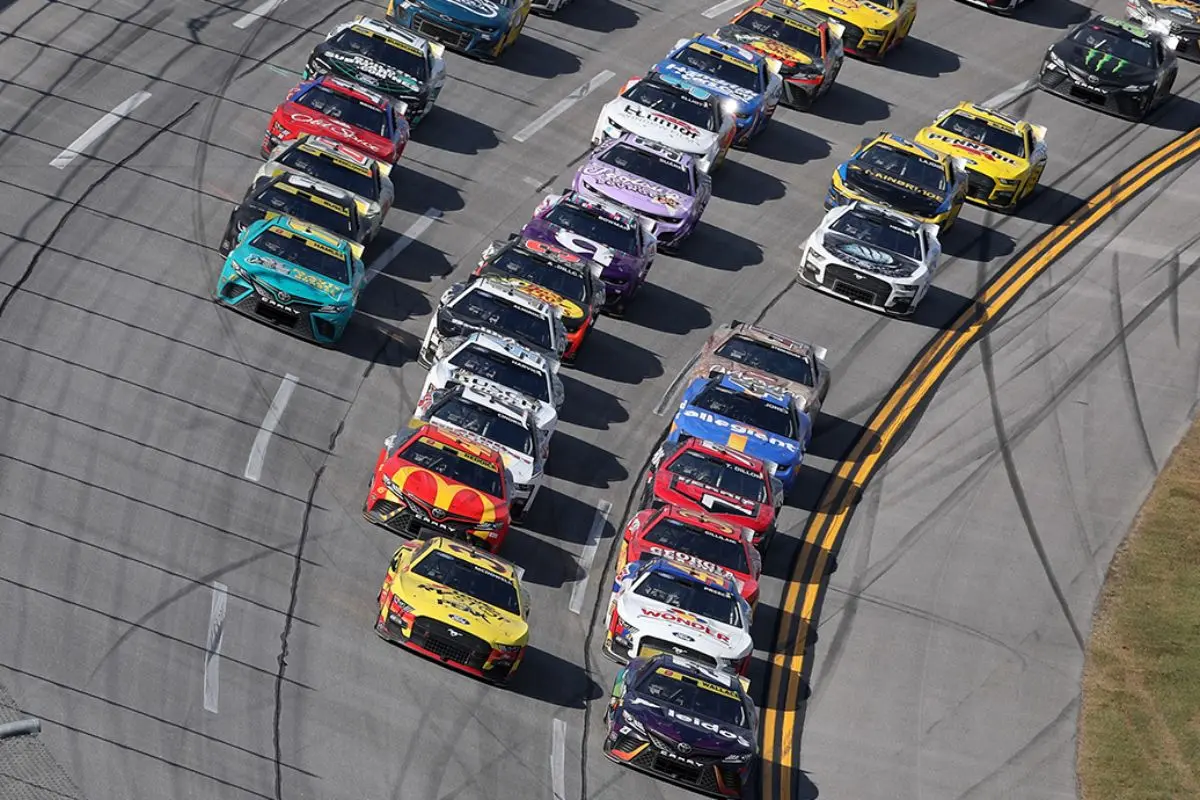
Can Occoneechee Speedway Follow North Wilkesboro’s Route?
The story of Occoneechee Speedway‘s decline exemplifies a broader theme of cultural resistance and changing societal priorities, yet it raises intriguing questions about potential revival. The narrative of North Wilkesboro Speedway offers a template for such a rejuvenation. Once a cornerstone of NASCAR‘s inception, Occoneechee, like North Wilkesboro, faced obsolescence as the sport’s ambition to broaden its geographical and commercial horizons led to the abandonment of its earliest tracks.
Local communities, however, have shown resilience, as seen in Wilkes County, where the revival of North Wilkesboro has reignited local economic and cultural fervor. North Wilkesboro’s restoration heralds a new era of NASCAR’s commitment to its roots, as illustrated by the 2023 All-Star Race. This event was not merely a nod to nostalgia but a calculated action to blend history with modernity.
Figures like Brad Keselowski have highlighted this shift, emphasizing NASCAR’s intent to honor its origins while adapting to contemporary demands. This blend of reverence for tradition and calculated modernity presents a compelling case for Occoneechee to follow suit.
To emulate North Wilkesboro’s resurgence, Occoneechee must navigate a complex interplay of local advocacy, tactical partnerships, and economic viability. The challenge lies in aligning the interests of NASCAR with those of heritage preservationists and local communities.
The precedent set by North Wilkesboro suggests that a well-orchestrated campaign, supported by committed stakeholders and tactical foresight, can indeed resurrect a dormant track. This revival could not only restore Occoneechee’s NASCAR legacy but also rejuvenate the surrounding community.
The Possibility of Restoring Occoneechee Speedway
With its storied history and enduring cultural importance, the potential restoration of Occoneechee Speedway generates considerable interest among racing enthusiasts and historians likewise. The track, once a vibrant hub of NASCAR activity, now finds itself in a state of disrepair, yet it remains untouched by modern development. This latent potential offers a unique opportunity to restore the speedway to its former glory, inspired by the successful revival of North Wilkesboro.
The involvement of Dale Earnhardt Jr. in 2019 marked a crucial moment. His efforts to clean and scan the track for a video game ignited renewed interest and hope in the community. This initiative was soon followed by substantial financial backing:
In 2021, North Carolina Governor Roy Cooper allocated $18 million towards the speedway, evidencing state-level support for revitalizing such culturally important sites. While Occoneechee is in worse condition than its counterparts, the untouched land suggests that restoration is not only conceivable but could also be realized with sufficient investment and tactical planning.
Despite the intimidating financial and logistical challenges, the case of North Wilkesboro provides a guiding light of hope. Its successful resurgence demonstrates that with the right blend of community support, financial investment, and tactical foresight, Occoneechee Speedway could indeed rise again, reclaiming its place in NASCAR’s storied legacy. The historical allure and potential economic benefits further highlight the importance of reviving this iconic venue.

News in Brief: The Occoneechee Speedway Story
The potential revival of Occoneechee Speedway hinges on several factors, including historical preservation, community support, and financial viability. Lessons from North Wilkesboro’s resurgence suggest that a tactical approach integrating these elements could facilitate a successful restoration. By emphasizing its rich NASCAR heritage, Occoneechee Speedway could attract both nostalgic racing enthusiasts and new audiences. However, the challenges of modern racing demands and infrastructural requirements must be addressed to guarantee sustainability and relevance in contemporary motorsports culture.