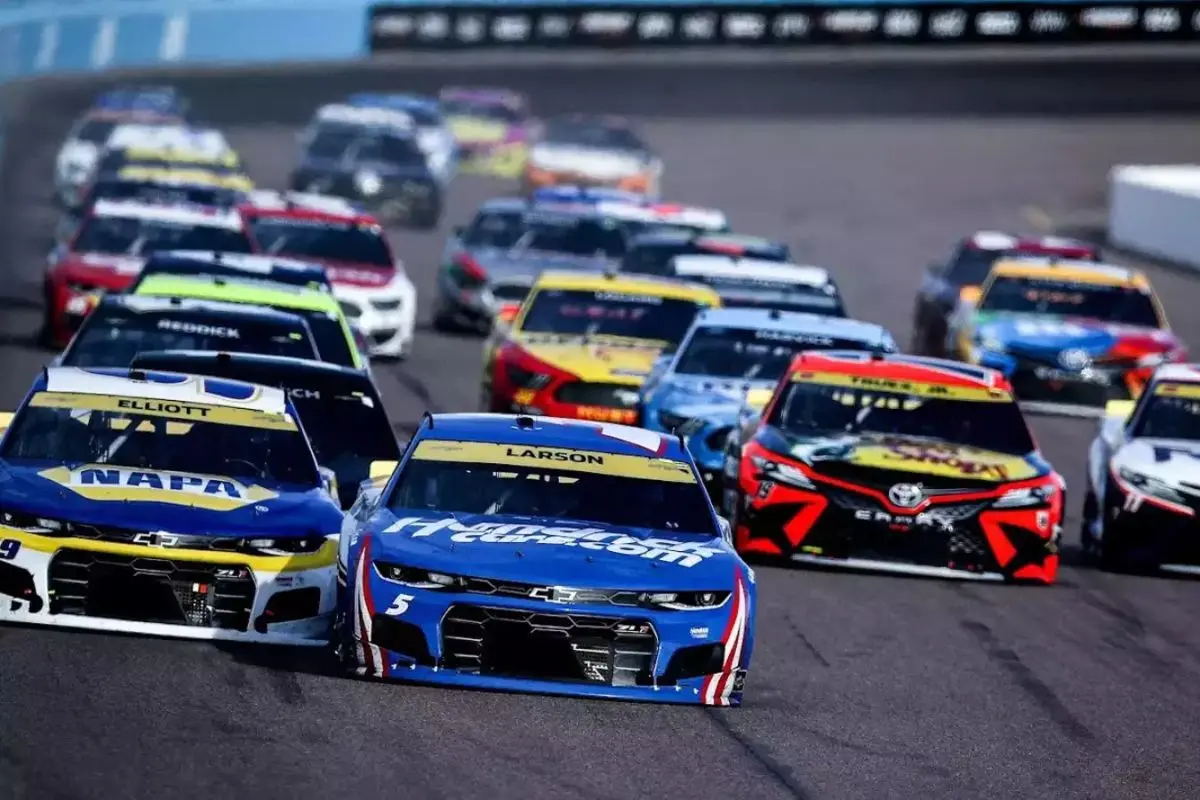
Key Highlights
- CBS aired NASCAR’s first live race on January 31, 1960, reaching a national audience and transforming the sport.
- Walter Cronkite’s expert commentary during the broadcast added credibility and attracted viewers.
- The broadcast transitioned NASCAR from a regional to a national phenomenon, captivating 17 million viewers.
- The event laid the groundwork for future television deals, boosting NASCAR’s popularity and cultural impact.
- The 1960 broadcast demonstrated the power of media in revolutionizing motorsports and attracting new fans.
NASCAR’s First Live Broadcast That Changed Everything
When CBS aired the premier live broadcast of a NASCAR race on January 31, 1960, it marked a pivotal moment in sports history. This groundbreaking event introduced NASCAR to a vast audience, shaping its future as a major force in motorsports.
Before this broadcast, NASCAR was primarily known in the southeastern United States, where it had deep cultural roots and a loyal fan base. The decision to televise the race allowed millions of viewers to experience the thrill of stock car racing from the comfort of their homes for the premier time.
Legendary journalist Walter Cronkite’s expert commentary added credibility and excitement to the broadcast. Cotton Owens emerged victorious in the 10-lap Daytona 500 qualifying race, adding to the event’s appeal.
January 31, 1960: The FIRST live TV broadcast of a NASCAR race
From Daytona, aired on CBS with Walter Cronkite as announcer, Cotton Owens won a 10 lap qualifying race with a last lap slingshot pass to give him the pole for the Daytona 500
An estimated 17 million people watched pic.twitter.com/7Y1stRLjl7
— nascarman (@nascarman_rr) January 31, 2025
This broadcast broadened NASCAR’s appeal and set the stage for its transformation into a billion-dollar industry, expanding its reach and influence across the nation.

The Race That Kickstarted NASCAR’s Golden Era
Although NASCAR had been gaining traction since its founding by Bill France Sr. in the late 1940s, it was the exciting broadcast of the 1960 Daytona 500 qualifying race that truly launched the sport into its golden era.
This pivotal moment occurred when an estimated 17 million viewers tuned in, captivated by the speed and excitement that stock car racing offered. Previously a regional phenomenon, NASCAR now began to attract a national audience.
CBS and NASCAR took advantage of this opportunity by presenting the race as a revolutionary television event, recognizing the medium’s potential to reach far beyond local circuits.
This tactical move showcased NASCAR’s potential as a mainstream sport, leading CBS to broadcast the complete Daytona 500 shortly thereafter.
The widespread exposure from this momentous broadcast secured NASCAR’s place in American sports culture, paving the way for its growth and popularity in the years that followed, as viewers across the nation welcomed stock car racing.
NASCAR’s Explosive Growth in the 1970s and 1980s
The 1970s and 1980s marked a period of explosive growth for NASCAR, transforming it from a regional pastime into a national sensation. This transformation was fueled by tactical television deals that brought the thrill of racing into living rooms across America.
The presence of legendary drivers such as Richard Petty, David Pearson, and Cale Yarborough captured the imagination of a growing fan base, while considerable sponsorships, particularly Winston’s title partnership, infused the sport with substantial financial backing.
A pivotal moment in this era was CBS’s groundbreaking 1979 live broadcast of the Daytona 500. This event, with its gripping last-lap crash and subsequent fistfight, captivated 16 million viewers, establishing NASCAR as a staple of mainstream entertainment.
As TV ratings soared, so did merchandise sales, expanding NASCAR’s reach into new markets nationwide. This era solidified NASCAR’s status as an essential component of American cultural identity.

NASCAR vs. The Super Bowl: A Battle for Viewership
How did NASCAR and the Super Bowl become such titans of American viewership? Both events have captivated audiences since their early broadcasts. NASCAR’s leap into live television in the 1960s paved the way for its flagship event, the Daytona 500, which drew millions annually. The Super Bowl debuted in 1967, with an impressive 51 million viewers. As decades passed, both events grew in stature and viewing numbers.
By 2006, the Daytona 500 saw 19.4 million viewers, showing NASCAR’s rising prominence. However, the Super Bowl remained the pinnacle of American sports viewership, although NASCAR effectively collaborated with the NFL through cross-promotions and network partnerships.
How One Broadcast Defined NASCAR’s Future
NASCAR’s rise to a major player in American sports viewership can be traced back to a groundbreaking moment in 1960 when it aired live on television for the initial time. This broadcast marked a pivotal turning point, transforming NASCAR from a regional pastime into a national sensation. The live coverage showcased the drama and excitement of racing to a broad audience, enchanting viewers who had never experienced the thrill of motorsports in real-time.
The impact of this broadcast was profound, laying the groundwork for future expansion and lucrative sponsorship deals. As television became a household staple, NASCAR took advantage of its newfound visibility, attracting millions of devoted fans.
This tactical move into live television positioned NASCAR as a frontrunner in shaping the sports media landscape. Without this initial broadcast, NASCAR might not have achieved its status as a global racing powerhouse, demonstrating the power of media exposure in redefining a sport’s path.

News in Brief: Forgotten NASCAR TV Breakthrough
NASCAR’s initial live television broadcast marked a pivotal moment in motorsports history, setting the stage for the sport’s explosive growth in the subsequent decades. This groundbreaking event captivated audiences and positioned NASCAR as a formidable competitor to traditional sports like the Super Bowl. The broadcast’s success laid a foundation that would define NASCAR’s future, transforming it into a cultural phenomenon and ensuring its place in the annals of American sports history.
ALSO READ: NASCAR Fans Are Raving About Dale Earnhardt’s Iconic Car Getting a Makeover