
Key Takeaways
- Kyle Busch expressed frustration over NASCAR’s ambiguous damaged vehicle policy after being unable to rejoin the Daytona 500 following a crash.
- Busch criticized the lack of clarity regarding repair procedures, which complicated his team’s efforts during the race.
- Despite minimal damage to his car, NASCAR regulations prevented Busch from continuing, highlighting issues in competitive fairness.
- The multi-car wreck late in the race eliminated Busch’s chances for victory, extending his two-decade winless streak at the Daytona 500.
- Busch called for a reassessment of NASCAR’s rules to better support driver welfare and streamline repair protocols.
Kyle Busch Slams NASCAR Over Wreck Rules
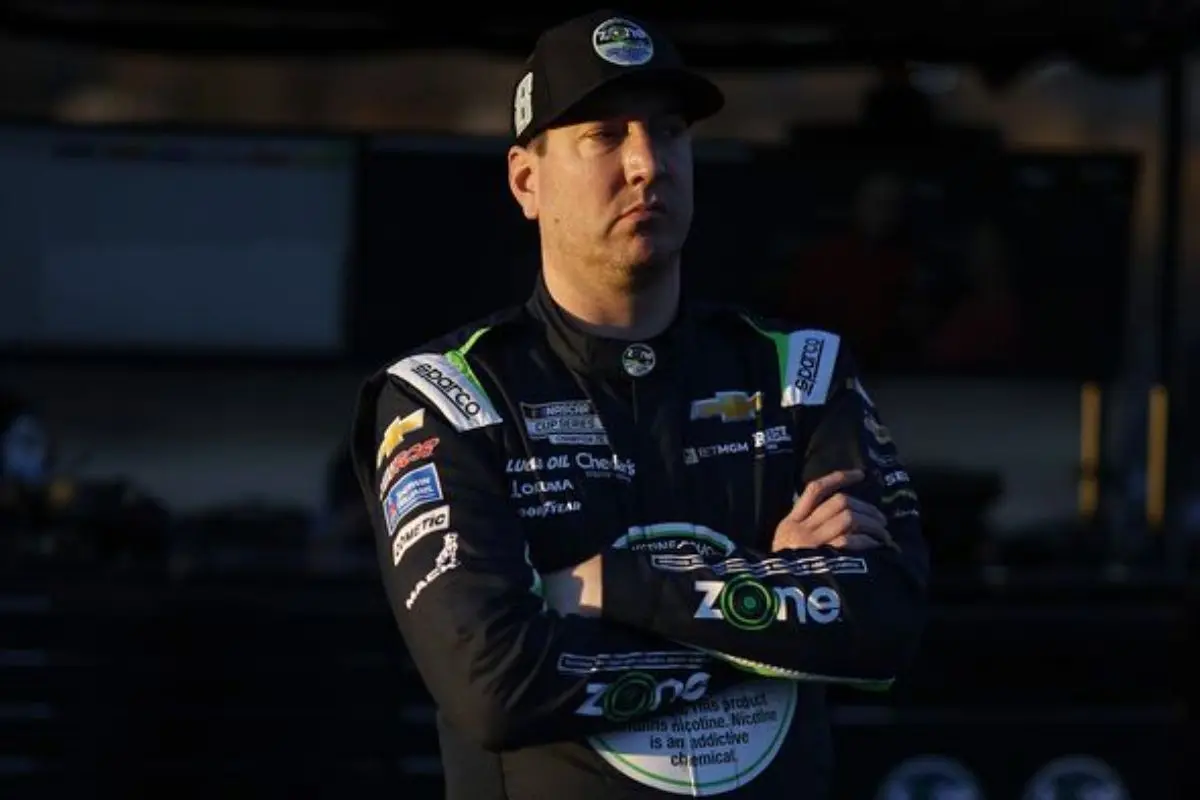
Kyle Busch released his frustration at NASCAR following his disappointing exit from the Daytona 500, where a multi-car wreck effectively ended his race.
The Richard Childress Racing driver criticized NASCAR regulations regarding the damaged vehicle policy, labeling them as “unclear.” Busch emphasized that he believed his car remained race-worthy despite the wreck, yet he was unable to rejoin the competition due to the governing body’s stringent rules.
This incident raised pertinent questions about driver safety and race integrity, as the lack of policy clarity can greatly impact not only individual racers but also the overall dynamics of the sport.

Busch’s Daytona 500 Hopes Crushed in Late-Race Crash
Disappointment swept through the ranks of fans and teams as Busch’s ambitions for a successful Daytona 500 came to an abrupt halt during a chaotic late-race crash.
On Lap 186, a collision between Joey Logano and Ricky Stenhouse Jr. triggered a chain reaction, ensnaring multiple contenders, including Busch. Although his No. 8 Chevrolet emerged with minimal damage, NASCAR’s stringent regulations rendered him unable to continue, amplifying the crash implications for his race strategy and team dynamics.
A late-race collision left Busch’s No. 8 Chevrolet intact but forced him out of the Daytona 500 due to NASCAR regulations. Fans reacted with frustration, as their hopes for Busch’s victory dissipated in the wake of unforeseen circumstances.
.@KyleBusch obviously frustrated with what he says is an unclear rules procedure from NASCAR. #NASCAR pic.twitter.com/xGdNqpjozo
— Noah Lewis (@Noah_Lewis1) February 17, 2025
Busch Questions NASCAR’s Repair Procedures
Following the disappointment of the Daytona 500, questions arose regarding NASCAR’s repair procedures, particularly as they affected Busch’s ability to continue racing after a late-race incident.
Busch articulated his struggles with the lack of repair clarity in relation to NASCAR regulations, emphasizing the confusion that ensued when his team attempted to execute necessary repairs. The malfunctioning air jack system exacerbated the situation, highlighting a critical gap in pit crew efficiency.
“I had four flat tires out there, and we had this air jack system in the car, mandatory by NASCAR, and the guy carries around an empty air bottle to plug up to the car. But he couldn’t plug it up, so I made my own return to the pit road, said I wanted to push. So, they decided for three laps to figure out how to hook it up.” – (busch)
In addition, Busch criticized the conflicting instructions that complicated team communication, which ultimately influenced their race strategy. He pointed out the peril of sending a damaged vehicle to the designated repair area, where it risks immediate disqualification.
“To tow us back in, towed us into a work area, where our guys looked over the car, they didn’t see anything massively wrong. All the wheels were pointed into the right direction with four new tires on it. You go back out to basically see what the next process was gonna be for us. And was told that you need to work on it and repair, and you need to go back to that place. But if you go back to that place, they park you. So what are we supposed to do to continue to work on it?” – (busch)
Understanding NASCAR’s Damaged Vehicle Policy
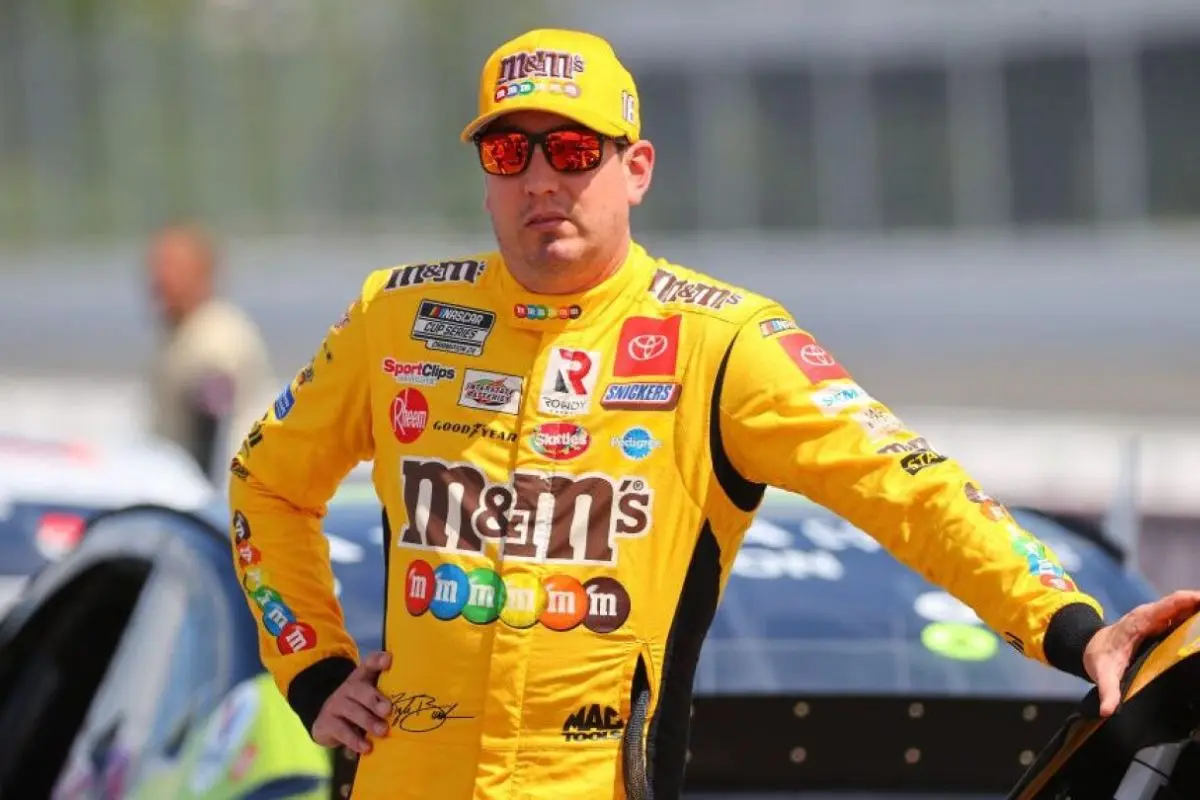
NASCAR’s Damaged Vehicle Policy (DVP) has undergone considerable revisions, aiming to streamline the repair process during races while balancing competitive integrity.
Under the updated rules, teams are allotted a seven-minute window to address damage on pit road, a critical repair timeline that can markedly influence race outcomes. If repairs extend beyond this limit, the vehicle must be transported to the garage for further work, allowing for indefinite repairs.
However, towing regulations impose stringent race penalties; a car requiring a tow is automatically deemed unfit to compete. This ambiguity surrounding the DVP has fueled criticism, particularly from drivers like Kyle Busch, who have found themselves ensnared in its gray areas, highlighting the need for clearer guidelines within the rulebook.
Another Daytona 500 Disappointment for Busch
Frustration permeates the air surrounding Kyle Busch as he faces yet another year without a victory at the Daytona 500, marking an astonishing two-decade winless streak at this iconic race.
Despite demonstrating impressive pace and tactical expertise during the event, Busch’s Daytona struggles were exacerbated by ill-timed incidents that thwarted his chances for glory. Busch showcased skill and speed, yet misfortunes again derailed his pursuit of Daytona 500 success.
The race approach employed by his team, while sound, ultimately fell victim to unpredictable circumstances, leading to fan reactions that reflected disappointment and empathy for the driver’s historic drought.

News in Brief: Kyle Busch Rips NASCAR Over ‘Unclear’ Wreck Rule
Kyle Busch’s vocal criticism of NASCAR’s unclear wreck rules highlights a growing concern among drivers regarding the governing body’s damaged vehicle policy. After his disappointing exit from the Daytona 500 due to a late-race crash, Busch’s questions about repair protocols emphasize the need for greater transparency and consistency in enforcement.
As NASCAR continues to evolve, it faces the challenge of balancing competitive integrity with the safety and clarity expected by drivers and fans.
ALSO READ: Kyle Busch Faces 20 Years of Pain at Daytona 500: Will This Be the Year He Breaks Through?

