
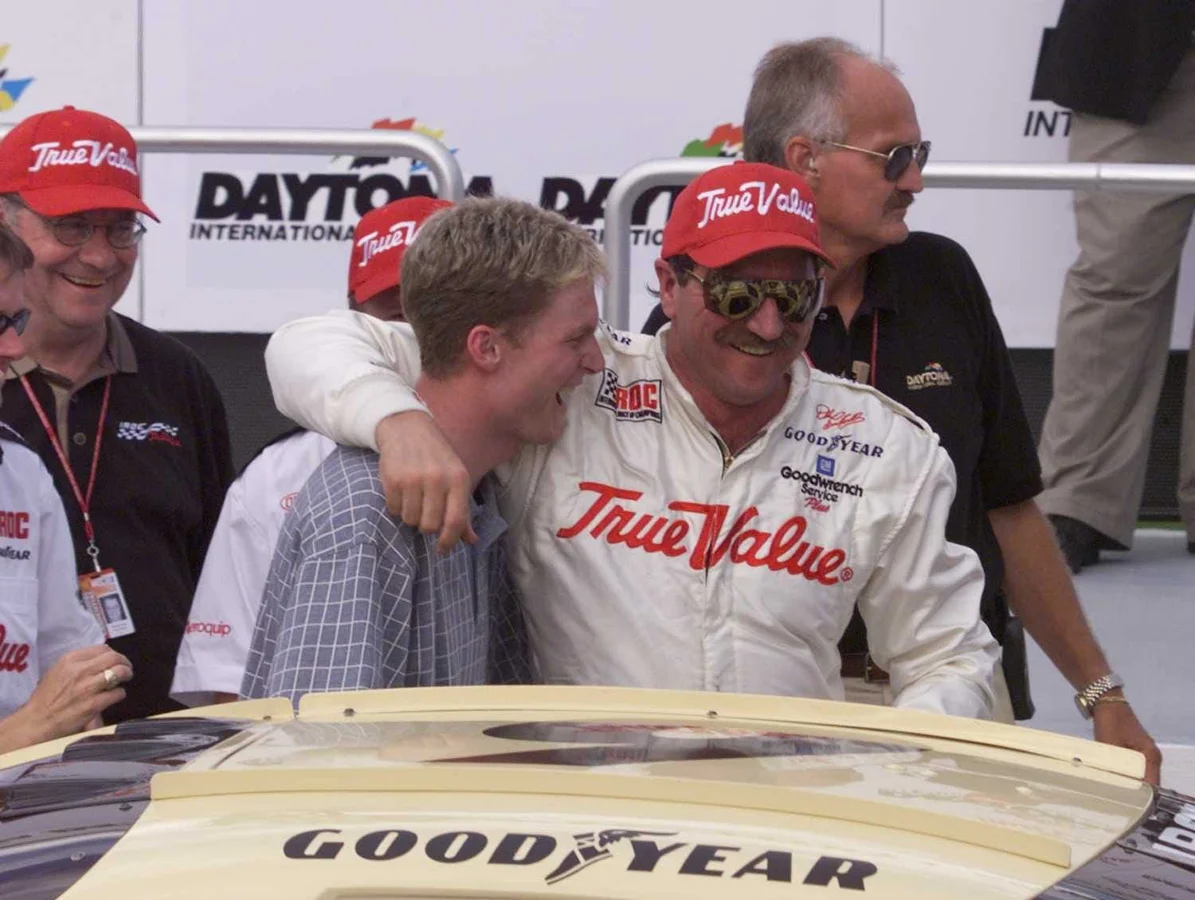
The Richard Childress pivotal moment with Dale Earnhardt Sr. created a turning point in NASCAR, as these two key figures faced struggles together and ultimately shaped the sport’s legacy. Their collaboration, which began in adversity and evolved through candid conversations and difficult choices, paved the way for unprecedented achievements at Richard Childress Racing.
Early Careers and Challenging Roadblocks
Dale Earnhardt Sr., a championship winner early in his driving days, and Richard Childress, then an independent team owner and driver, both faced significant setbacks. After Earnhardt’s promising ‘Rookie of the Year’ title and a championship with Rod Osterlund Racing, his trajectory stalled amid criticism, and he searched for a stable footing. Meanwhile, Childress’ underfunded squad resisted fading into obscurity, struggling to stand out among better-equipped competitors.
Their backgrounds connected them — both were ambitious, determined, and understood what it meant to fight against the odds. Richard Childress and Earnhardt’s friendship, formed off the NASCAR track, would become an important foundation for their professional relationship, informing their decisions in tough times.
The Path to Richard Childress Racing: Team Changes and Friendship
Earnhardt started his NASCAR career with Rod Osterlund Racing, driving the No. 2 car and capturing a national championship in 1980. However, his momentum was interrupted when Osterlund sold the team to Jim Stacy midway through the 1981 season. Earnhardt and Stacy clashed over direction, leading Earnhardt to depart abruptly.
Richard Childress, then still competing as a driver, offered Earnhardt an opportunity at RCR. Their connection extended beyond racing, captured in Childress’s memory:
“Dale and I were hunting buddies. I remember us dragging an old trailer to our hunting camp with a six-pack of beer,”
—Richard Childress, Team Owner. He added,
“We’d lay back there and talk about the fun we had racing together.”
—Richard Childress, Team Owner.
But even with passion and friendship, RCR’s challenges loomed. The team’s limited finances forced sacrifices. As Will Lind, a RCR pit crew member, noted,
“Most of the guys that were independents, like Richard Childress, they would run the tires that the good teams were taking off. Just to try to save money.”
—Will Lind, Pit Crew Member.
After parting ways with Stacy’s operation, Earnhardt briefly joined RCR before moving to Bud Moore Engineering in 1982, piloting the No. 15 ford/”>Ford for two years and adding three wins to his record. Despite success, the situation was often turbulent, and in 1984, Earnhardt returned to Richard Childress Racing with hopes of rebuilding his career alongside Childress.
A Defining Conversation That Shaped NASCAR
Earnhardt’s subsequent victory at Talladega in 1984 was a bright spot for RCR but failed to launch a consistent comeback. The No. 3 Chevy continued struggling, as Kirk Shelmerdine, Earnhardt’s former crew chief, explained:
“We didn’t have as good a car as he [Earnhardt] needed. And if you had three or four bad races, you’re f****d for the year!”
—Kirk Shelmerdine, Former Crew Chief.
The season’s disappointments led Childress to an honest, pivotal conversation with Earnhardt.
“Man, you don’t need to be driving here. You’re a champion. You have a lot of championships in you.”
—Richard Childress, Team Owner. Childress’s tough love was met with remarkable loyalty. Earnhardt responded,
“We started together, we’re gonna finish it together.”
—Dale Earnhardt Sr., Driver.
Triumph Against the Odds and Lasting Legacy
The following season, Earnhardt’s perseverance and belief in the team paid off as he clinched his first of six championships with Richard Childress Racing. Their willingness to confront uncomfortable truths together and support one another during periods of struggle reshaped the trajectory of both their careers and Richard Childress Racing itself.
This pivotal moment not only defined the relationship between Childress and Earnhardt but also changed the landscape of NASCAR. Their story demonstrates how candid conversations, rooted in trust and shared hardship, can lead to transformative achievements—even when the path forward looks uncertain. The lasting impact of their partnership continues to influence the sport, reminding teams, drivers, and fans of the value of resilience, loyalty, and honest communication in the pursuit of greatness.

