
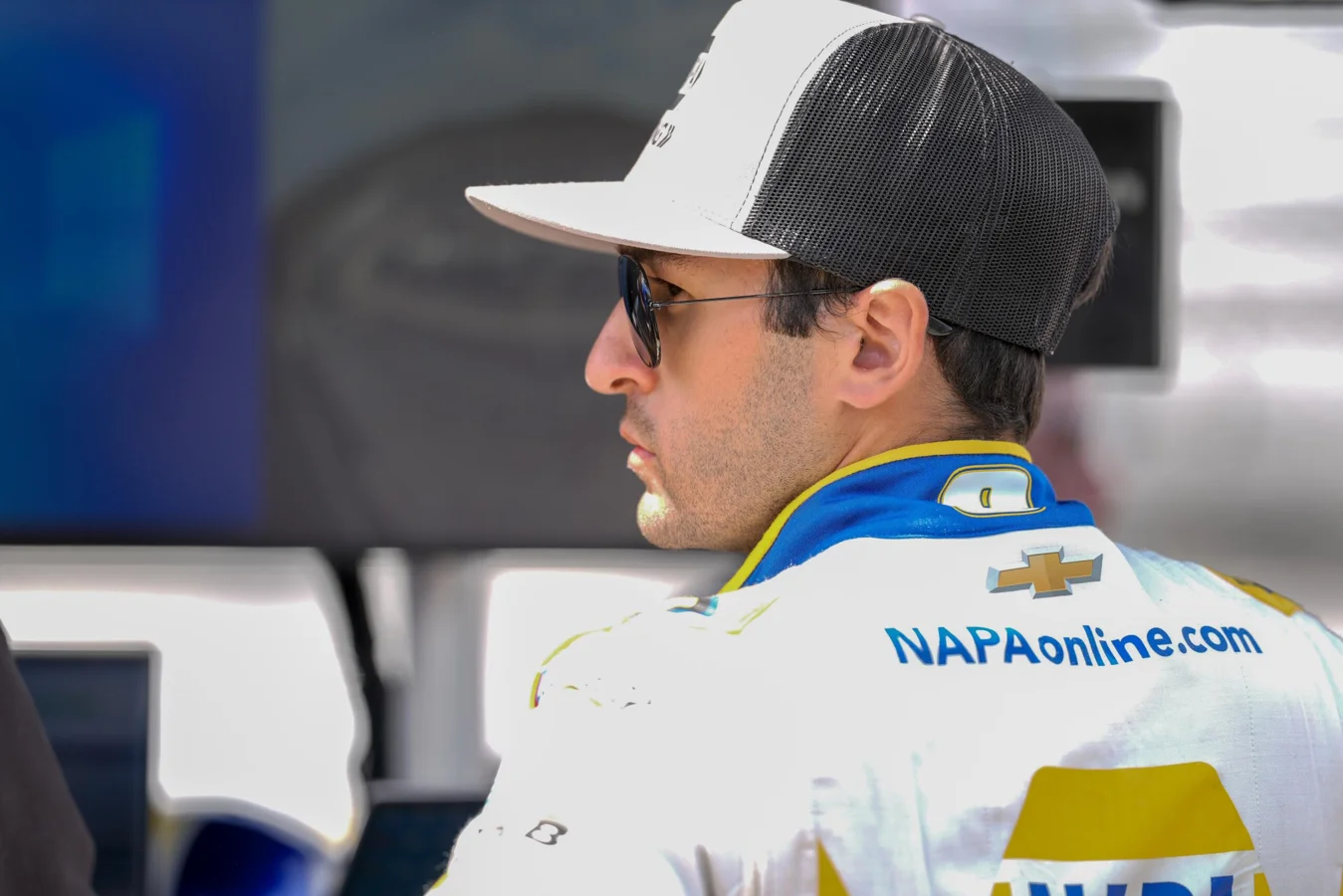
Chase Elliott challenges NASCAR playoff format this season, igniting widespread discussion about whether the current system truly reflects the sport’s best drivers or undermines the legacy of long-term rivalries. His outspoken criticism comes amid a fiercely competitive 2025 NASCAR Cup campaign, as drivers, fans, and teams debate if the path to a championship has strayed from its roots.
A season of high drama raises new questions about fairness
The first 21 races of the 2025 NASCAR Cup season have played out on a dramatic stage, with William Byron securing his second straight Daytona 500 and notching multiple stage wins early, Christopher Bell setting a Next-Gen era record with three consecutive victories, and Shane van Gisbergen emerging as a formidable road course talent by matching winning marks never seen since NASCAR legends. Denny Hamlin now presides atop the playoff standings after a dominant run, holding four wins that solidify his post-season credentials. But as contenders rise and rivalries unfold, debate grows over whether the playoff format rewards consistency, raw speed, or just a streak of good weeks at the right time.
NASCAR’s playoff system, first introduced in 2004, replaced the decades-old all-season points accumulation with a structure intended to intensify the championship battle. This shift reset points among the top ten contenders after 26 races, aiming to keep fans on the edge through a condensed, ten-race sprint dubbed the Chase for the Championship. Brian France, then-chief executive, underlined the move’s intent, stating,
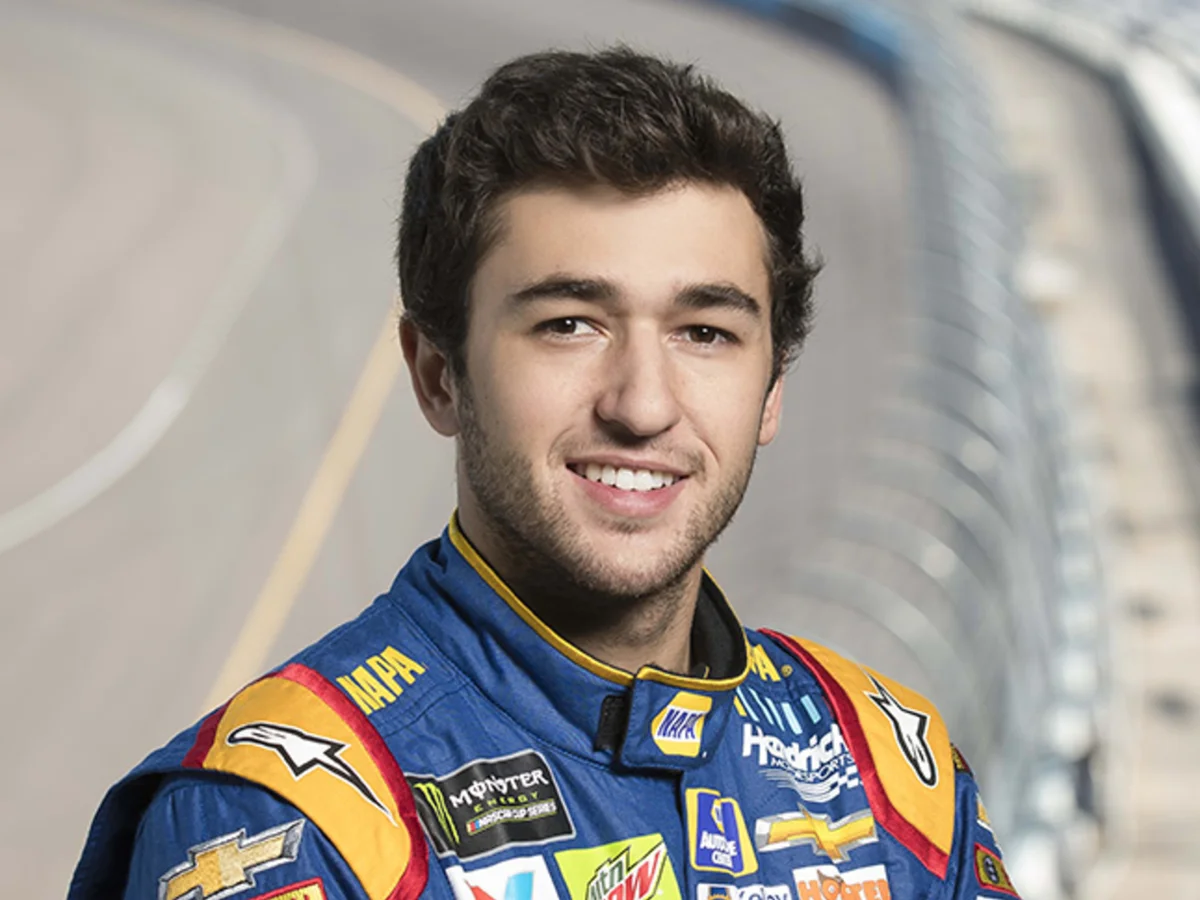
“The adjustments taken put a greater emphasis on winning races. Winning is what this sport is all about. Nobody likes to see drivers content to finish in the top 10. We want our sport — especially during the Chase — to be more about winning.”
—Brian France, NASCAR Chief Executive
While this period delivered dramatic comebacks and ensured the title was up for grabs well into November, critics argue that in tightening the race, the format sidelined the importance of enduring strength across a full season. Chase Elliott, himself a past beneficiary of the format with his 2020 Cup title, has become its most prominent challenger, questioning whether crowning a champion based on late-season streaks best represents NASCAR’s spirit.
Chase Elliott’s call to reclaim the old system resonates
Ahead of the Brickyard 400, Elliott issued pointed remarks about the current playoff model, calling for NASCAR to embrace the decades-old system that measured success over every event, not just the post-season.
“We’ve had a really good and competitive battle to the regular season (championship) over the last two or three years… If you just take that as your sample set over the first 26 weeks, it looks pretty solid to me.”
—Chase Elliott, NASCAR Driver
He continued, unwavering in his critique:
“The system would be just fine if you just had a full season (and no playoffs). And if somebody runs away with it, so what? Let’s celebrate the fact that somebody ran away with it, that somebody was just that good… Motorsports does not have to be like everybody else to be successful. And I’ll stand by that till I get done (retires).”
—Chase Elliott, NASCAR Driver
Not just a personal reflection, Elliott’s comments reopened old wounds for fans and fellow competitors who recall years of closely contested title battles, only to see the winner determined by a playoff reset rather than season-long consistency.
Lost storylines and missed rivalries: Fans look back
Older fans recall a time when championship pursuits stretched from February to November, every week adding to storylines and historical rivalries. The 2004 season alone saw Jeff Gordon, Jimmie Johnson, and Dale Earnhardt Jr. swap the points lead all summer, a tension that the Chase diluted by resetting the board for the final run. Similar drama played out repeatedly: Johnson and Kenneth’s duel in 2006, the Chevy-ford/”>Ford–toyota/”>Toyota face-offs in 2008 with Carl Edwards and Busch, Hendrick Motorsports’ dominance in 2007, and Gordon’s nearly mythical 2014 push for a record-tying seventh title. These moments, measured mile by mile, fueled a narrative that made NASCAR so compelling to many viewers.
Today, sixteen drivers enter the playoffs driven mainly by race wins, but some fans feel deprived of the unbroken arcs and authentic rivalries that once made NASCAR’s journey a celebration of endurance rather than just a sprint for glory. Social media hotbeds like Reddit and X hum with discussion, as many believe the format has pushed the sport away from its cultural and competitive foundation.
Fans voice frustration over outcomes and lost drama
The playoff format’s polarizing impact is captured in voices across the fanbase.
“The chase robbed Gordon and Harvick the most and helped Johnson and Busch the most. I’m still salty about this,”
—Fan on social media
In 2006, for example, Kevin Harvick excelled in the early stretch but faded as the playoff reset favored Jimmie Johnson, upending season-long trends. Years later, the 2013 expansion to admit Jeff Gordon as a thirteenth driver—after manipulations affected the original lineup—highlighted just how much the playoff system could dictate who had a chance at the title. Johnson and Busch became masters at peaking late, enabling them to capture championships in seasons where other drivers had led for more weeks overall.
Some fans see irony in criticism of the playoff format, referencing the 2011 Stewart-Edwards battle.
“I always think it’s funny when people say they want a season-long points format and they love the 2011 battle. Which, without the Chase, Edwards would’ve smoked the field in the title that year.”
—Fan on social media
That year, Tony Stewart clinched with five playoff wins, while Carl Edwards led much of the regular year with relentless podiums but just a single win. Both tied in points after Homestead, with Stewart’s Chase triumphs breaking the deadlock—another season where the playoff model flipped the narrative.
Cultural impact also looms large in these reflections.
“I sure would’ve loved a 7-time champion Gordon, and honestly, I think the sport would’ve been booming in 2014 if he was the one going for Earnhardt and Petty. I feel like Jeff Gordon and Dale Jr have pop culture clout with non-race fans that Jimmie Johnson doesn’t have. Also, as a Joey Logano hater from Connecticut, I would love for him to have a goose egg just like Denny.”
—Fan on social media
During his prime, Jeff Gordon’s presence elevated NASCAR’s national profile, from Sports Illustrated covers to elaborate brand partnerships like Pepsi’s “Test Drive” campaign, helping NASCAR reach pop culture’s mainstream. Had he been vying for a record seventh title in 2014, some believe the sport could have soared to new heights.
Calls to restore tradition in crowning champions
The previous Winston Cup format had its adherents, who point to champions like Dale Earnhardt clinching titles ahead of the season finale, arguing this built real respect among fans and competitors.
“Playoffs have no place in motorsports. We don’t need to manufacture artificial game 7 moments every season. If a driver is having a good enough season to clinch the championship 3 races early, then don’t they deserve it? The result of the cur system is that the driver who was the best all season doesn’t necessarily become champion, and people take the championship less seriously.”
—Fan on social media
Earnhardt famously secured his seventh title in 1994 by a massive 448-point cushion, two races before the final event. By comparison, since the playoff era began, the likelihood that the year’s most consistent driver emerges as champion has fallen to less than half, eroding what some see as the true value of the title.
Falling audience numbers spark fresh alarms
Further fueling concern is a stark drop in viewership, especially when compared to F1 and other global series that have risen even during economic downturns.
“People can talk about the recession under Bush, nearly as long ago as the Winston Cup was, all they want when it comes to viewership, sponsorship money and a claim of the death of car culture, but F1 continues to see record highs both worldwide and in the U.S. almost to spite those notions and really should indicate this series needs to self-reflect between this and the car package as the 2025 season continues the previous trends NASCAR has faced of decreasing viewership. It’s difficult to root for a championship when you don’t feel strongly about who ends up champion.”
—Fan on social media
Many believe that as NASCAR’s playoff-driven narrative disconnects fans from its champions, loyalty and excitement wane. In contrast, Formula 1’s traditional points system continues to deliver season-long drama and growing US audiences, even as the automotive landscape evolves.
A crossroads for NASCAR: Tradition or trend?
Chase Elliott’s arguments echo a rising chorus within the NASCAR community, signaling that the debate over playoff formats will likely intensify. As drivers like Denny Hamlin, William Byron, and Christopher Bell make their marks on the 2025 season, the core question remains whether the sport will return to a model that honors year-long battles, or continue refining a playoff system designed to guarantee drama at the expense of legacy.
NASCAR’s leadership faces mounting pressure to respond, as fans weigh their attachment to legendary storylines and the identity of a champion who reflects true consistency. The fate of the playoff system—whether preserved, reversed, or radically reimagined—will shape not only the outcome of future championships but also NASCAR’s very place in American sports culture.

