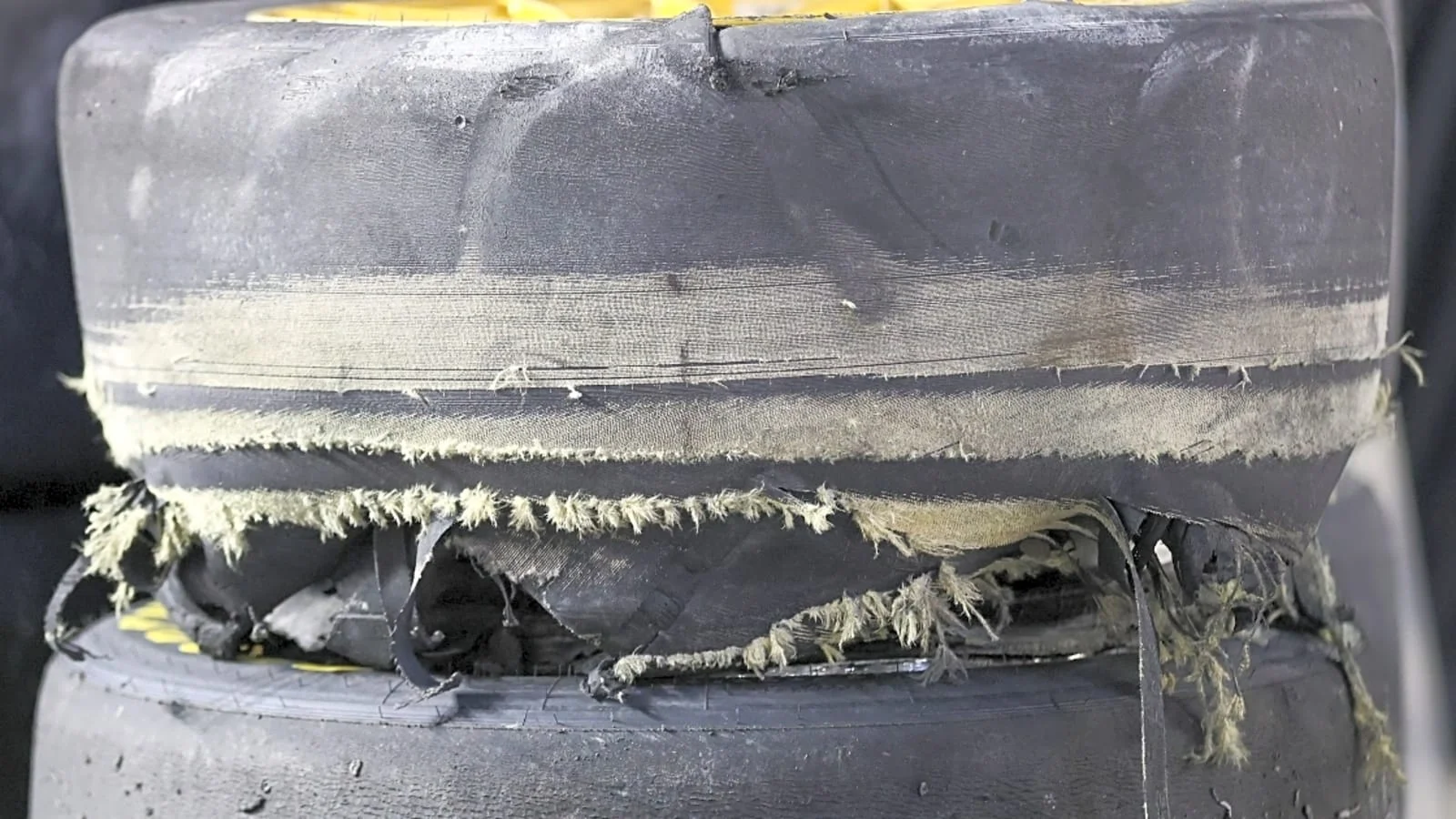
The recent NASCAR Cup Series Playoff race at Bristol brought tire falloff to the forefront, with Kevin Harvick providing insight into how changing track conditions impacted the competition. The Kevin Harvick Bristol tire falloff discussion revealed new factors influencing tire performance, while drivers like Christopher Bell shared experiences from an eventful Saturday evening.
Harvick Highlights Complexities of Bristol’s Tire Situation
Kevin Harvick addressed the topic on his “Happy Hour” show, commenting on industry expectations and his perspective on the tire issues during the Playoff race.
“The ask from the industry was to find tire falloff,”
said Harvick, pointing out the sport’s collective interest in more noticeable tire changes over a run. Harvick shared further details about conditions at Bristol that contributed to the drama:
“Now, I will tell you, Bristol has been pretty tricky, and if it was at 2:00 in the afternoon on Sunday, we would have had no tire issues because the sun would have been out, and the surface apparently has to be a certain temperature for those tires to last, which is something very new over the last couple of years. I’m not sure what happened, but now Bristol’s surface temperature matters as to whether the tires are going to actually lay rubber down.”
– Kevin Harvick, former NASCAR driver
Harvick commented that the evolving tire situation made the race “super intriguing,” particularly as it introduced elements of strategy more commonly seen at other levels of stock car racing:
“It looked like a tire management game, which was something that a lot of these guys were used to in their late model experience.”
– Kevin Harvick, former NASCAR driver
Christopher Bell’s Perspective on Managing Tire Wear
The tire falloff was compounded by Goodyear’s choice to supply softer right-side tires for the Bristol event. Christopher Bell, who was behind the wheel of the No. 20 toyota/”>Toyota Camry and ultimately won the race, discussed his approach to the conditions he faced on track. Bell admitted the uncertainty tires brought into race strategy:
“Well, I’ll tell you what, I was nervous on the twos (tires),”
– Christopher Bell, NASCAR driver
He elaborated on the unpredictable grip and the decision-making forced upon competitors as the event came to its conclusion:
“All night long, I don’t know, old tires just really, really pushed up in the middle of the corners, so I was hoping that those guys (starting ahead of him) on old tires would push up, and they did. They did, and I was able to get by or get underneath them. It wasn’t pretty there at the end, but we got her done.”
– Christopher Bell, NASCAR driver
Bell’s skill in adapting to the tire conditions paid off, securing him a place in the next Playoff round and underlining the importance of managing equipment in challenging races.
Bristol Playoff Race Sees Top Drivers Progress
After a tense and tactical battle on the Bristol short track, Christopher Bell advanced to the Round of 12. The other drivers making it to the next stage of the NASCAR Cup Series Playoffs included Denny Hamlin, William Byron, Kyle Larson, Ryan Blaney, Chase Briscoe, Chase Elliott, Bubba Wallace, Austin Cindric, Joey Logano, Ross Chastain, and Tyler Reddick. Their success at Bristol positions them for further high-stakes races as the postseason campaign intensifies.
Tire Falloff’s Impact on Bristol’s Racing Narrative
The Kevin Harvick Bristol tire falloff debate highlights a new phase in NASCAR where changing surface temperatures and unique tire compounds can turn a race into a strategic puzzle, demanding both car control and tactical savvy. With Goodyear’s approach to introducing more falloff and drivers like Harvick and Bell offering honest feedback, the sport’s decision-makers and fans can expect continued conversation around how tire selection and track conditions shape the outcome of marquee races like Bristol.
As Playoff contenders move forward and teams adapt to evolving tire strategies, the drama experienced in this year’s Bristol event may inform both technical choices and race-day approaches in the remainder of the NASCAR season.