The opening week of the high-profile Denny Hamlin NASCAR legal dispute delivered striking new details, as Hamlin accused NASCAR of providing teams with inaccurate financial forecasts during a heated antitrust trial involving 23XI Racing and Front Row Motorsports. The conflict has taken on a new level of tension, with Hamlin directly challenging the sanctioning body’s credibility and methods.
Hamlin Challenges NASCAR’s Financial Narratives
Denny Hamlin, serving as both the co-owner of 23XI Racing and a top driver for Joe Gibbs Racing, sparked the latest controversy by stating that NASCAR relied on what he called “disingenuous information” in its communications with teams. According to Hamlin, the financial modeling NASCAR used to present revenue potential was designed around a two-car team format, despite the reality that 23XI Racing had already invested heavily to expand to a three-car, and periodically four-car, operation in 2025. This critique, aired outside the courtroom, intensified debate over whether teams are being properly represented and supported in negotiations and operational planning.
Trial Exposes Astonishing Earnings and Strategic Spending
During the first week of courtroom proceedings, the jury and public gained insight into the massive financial scales involved at the top tier of stock car racing. Denny Hamlin’s earnings as a star driver for Joe Gibbs Racing were disclosed, with figures showing $14 million in income last season. Simultaneously, financial documents revealed that NASCAR invested $68 million in major spectacles over three years—spending that included high-profile events at the L.A. Coliseum and the ambitious Chicago street race.
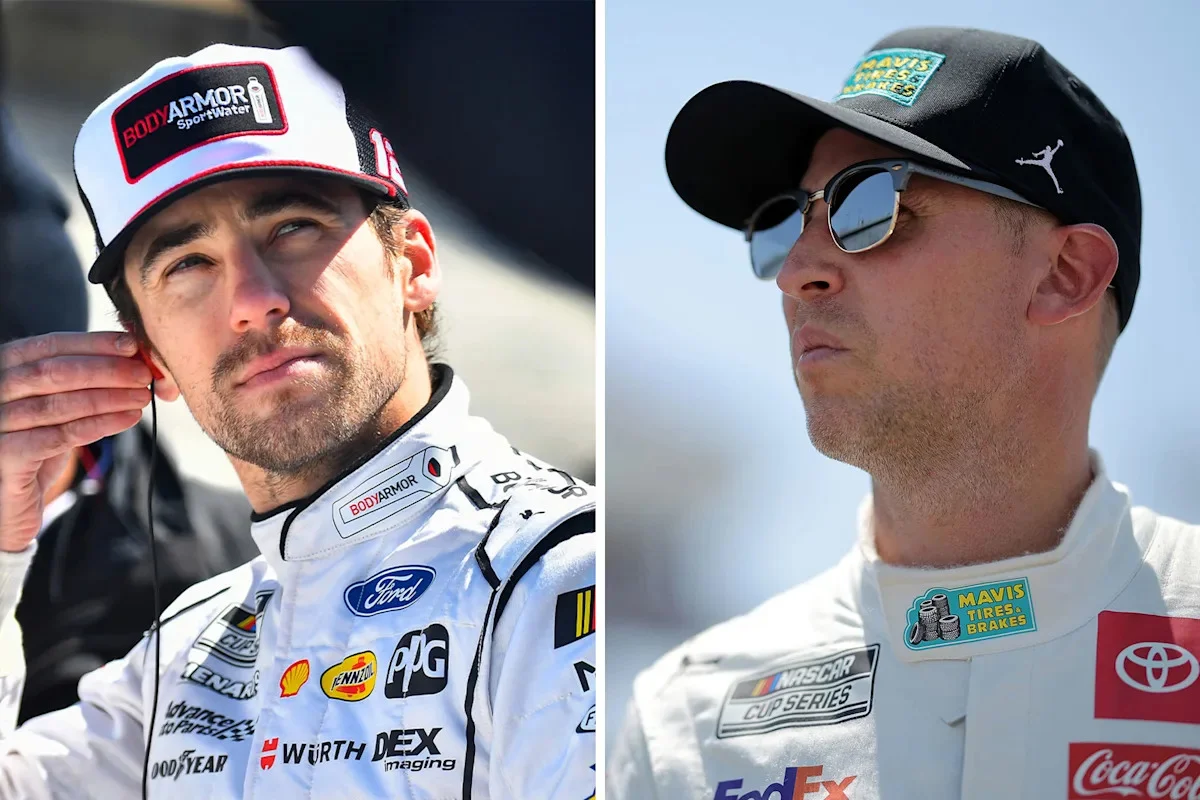
Remarkably, $55 million was funneled specifically toward executing the Chicago project. NASCAR’s officials defended these expenditures as targeted moves to attract significant new media partners, emphasizing that the bold Chicago endeavor played a key role in bringing Amazon Prime into discussions for future broadcasting agreements.
A Battle Over Spending and Team Viability
The sequence of testimonies and filings illuminated not just earnings, but the spending arms race among top organizations. The revelations did not end on the witness stand, as Hamlin quickly responded publicly via social media. Reflecting on the evidence used in the case, he asserted that NASCAR’s lawyers presented 23XI Racing’s significant expenditures as examples of financial difficulties, supporting the organization’s broader narrative of a disparity between teams.
Hamlin forcefully countered these assertions, stating:
Umm, we were going to three cars in 2025. We had to buy cars and parts for three entries (4 entries some weeks) and data they provided was based on two. More disingenuous information.
– Denny Hamlin, Co-owner/Driver
His rebuttal was motivated by coverage from reporters Jordan Bianchi and Jeff Gluck, who highlighted how team financial data had become a central point of debate. The trial spotlighted three organizations whose collective investment far outpaced most competitors, debunking the traditional belief that having the biggest budget guarantees on-track victories. Despite pouring in immense resources, those three teams tallied less than ten wins combined in the recent season.
The Numbers Paint a Stark Picture
For 23XI Racing, owned by Hamlin, Michael Jordan, and Curtis Polk, the gap between spending and success was significant. The team spent more than $2.23 million in 2024 on Next Gen parts alone, compared to Front Row Motorsports’ $1.7 million, demonstrating how fiercely certain organizations were investing to remain contenders amid changing rules and business models.
Nevertheless, Hamlin maintained that NASCAR’s portrayal of team finances was misleading. He said the data shared with the court did not reflect the true scope of 23XI’s investments or future planning, especially as the team ramped up for additional entries in the coming year. By miscasting the team as a two-car operation, Hamlin claimed, NASCAR created a distorted image of disparity rather than honestly highlighting operational realities.
What This Means for NASCAR’s Future
As the antitrust showdown stretches on, the sharp conflict between Denny Hamlin and NASCAR’s leadership reveals deeper fissures about how teams operate and how the sport’s economic structure is presented—and ultimately, negotiated. With high-profile organizations like 23XI Racing, Joe Gibbs Racing, and Front Row Motorsports under scrutiny, the trial’s next phases are expected to bring even more intense debate.
The outcome could profoundly influence future team investments, sponsorship negotiations, and broadcasting deals. The spotlight is not only on courtroom revelations but also on how NASCAR adapts, responds, and potentially restructures financial transparency and competitive parity in the years ahead.
Umm, we were going to 3 cars in 2025.
We had to buy cars and parts for 3 entries (4 entries some weeks) and data they provided was based on 2. More disingenuous information— Denny Hamlin (@dennyhamlin) December 11, 2025