
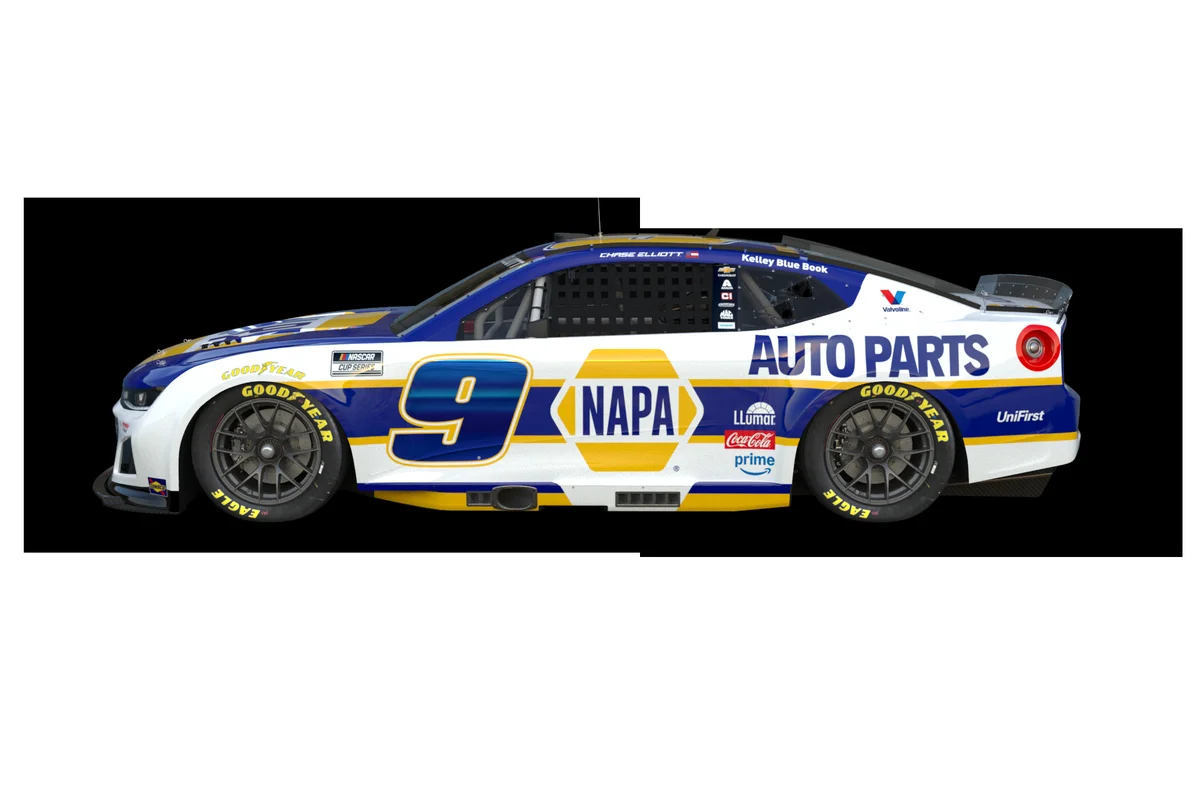
Chase Elliott, a prominent NASCAR Cup Series driver, has candidly acknowledged his ongoing difficulties adapting to the Next Gen car since its introduction. As one of the sport’s most significant recent changes, these Chase Elliott Next Gen struggles reflect broader issues affecting many drivers across the grid.
Adapting to a New Era in NASCAR Racing
The arrival of NASCAR’s eighth-generation Next Gen car signaled a major transformation in the sport, reshaping how drivers approach each race. Chase Elliott, known for his skill and consistency, is among several drivers—alongside former Cup Series champion Kyle Busch—who have encountered setbacks with the new technology and design. When asked to identify which competitor has faced the biggest disadvantage with the Next Gen platform, Elliott refused to single anyone out. He explained that certain drivers, such as William Byron, were at early stages of their careers when the new car debuted, making it difficult to judge whether their success was due to the car or their own development.
“I feel like it’s probably unfair to pick people who have benefited, because who’s to say those guys wouldn’t have adapted and become successful in the other car that might not have necessarily had as much success before,”
Chase Elliott explained.
“I look at William (Byron), and I think that’s unfair to say about him because he was still pretty fresh in his career. He’s obviously had a lot of success in this car, but I think he was on track to have that success anyway. So, by the numbers, it points toward him, but I don’t like that.”
—Chase Elliott
Technical Changes Challenge Veteran Drivers
Unlike any race car seen before in NASCAR, the Next Gen model brought a symmetrical chassis design focused on mechanical grip. Traditional driving techniques, such as exploiting right-side force or relying on the right-rear tire, became obsolete, leaving drivers to relearn their craft mid-career. For many seasoned competitors, including Elliott, this shift has stalled performance and dampened confidence.
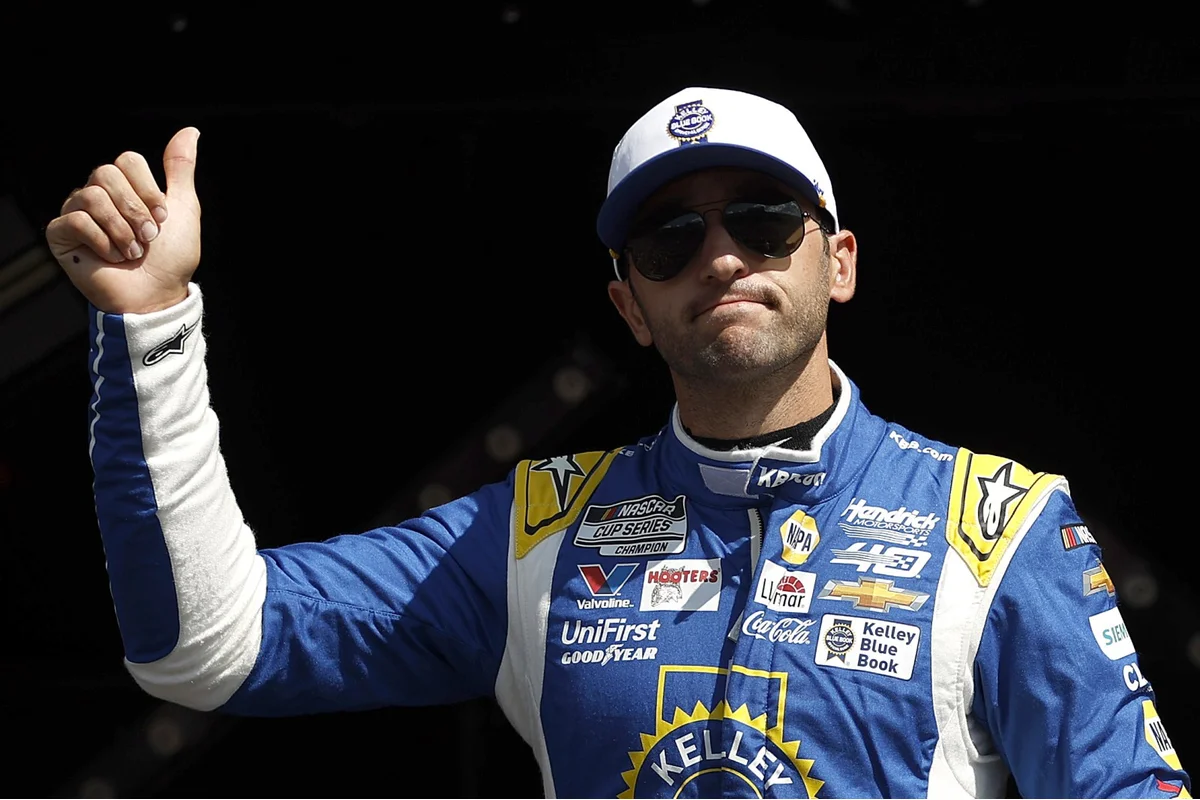
“As far as who it’s hurt the most, I don’t know. I’ve struggled. I would put myself as someone who has struggled with it as much as anybody. But it’s a work in progress,”
Elliott added.—Chase Elliott
By 2026, the Next Gen car will have completed five seasons in active competition. The anticipation is already building for the 58th running of the Daytona 500, scheduled on February 15, 2026 at Daytona International Speedway. This event, the first points race of the Cup Series season, is expected to test how drivers like Elliott continue to adapt to the ongoing changes. Fans will be able to follow all the action live on FOX television, as well as on MRN and SiriusXM NASCAR Radio.
UniFirst Extends Partnership With Elliott’s No. 9 Team for Seventh Year
Amid persistent difficulties on track, Elliott finds stability off it with sponsor UniFirst. The Massachusetts-based workwear provider will return as primary sponsor of the No. 9 Chevrolet for five races in 2026. The partnership begins at the Goodyear 400 at Darlington Raceway on March 22, followed by races at Martinsville Speedway (March 29), Richmond Raceway (August 15), Charlotte Motor Speedway (October 11), and again at Martinsville Speedway (November 1).
“I’m eager to see what 2026 has in store for our No. 9 team after a solid 2025,”
Chase Elliott said in a team release.
“We’ll have the UniFirst colors on board at tracks where we had some promising runs last year, and that makes me confident we can build on those and hopefully get UniFirst to victory lane in the process.”
—Chase Elliott
UniFirst also serves as the official workwear provider for Hendrick Motorsports and its affiliate, Hendrick Automotive Group, affirming its long-term commitment to Elliott’s team.
What Elliott’s Journey Means for the Future of NASCAR
Chase Elliott’s transparency about his struggles reflects the hurdles faced by many drivers as NASCAR evolves. The adaptation to the Next Gen platform continues to redefine race outcomes, demanding new skills from even the most accomplished competitors. With major events like the Daytona 500 approaching and the support of sponsors like UniFirst, Elliott’s journey will remain closely watched. His persistence shapes both his own legacy and the ongoing narrative of how traditional driving talent grapples with NASCAR’s rapidly changing landscape.

