
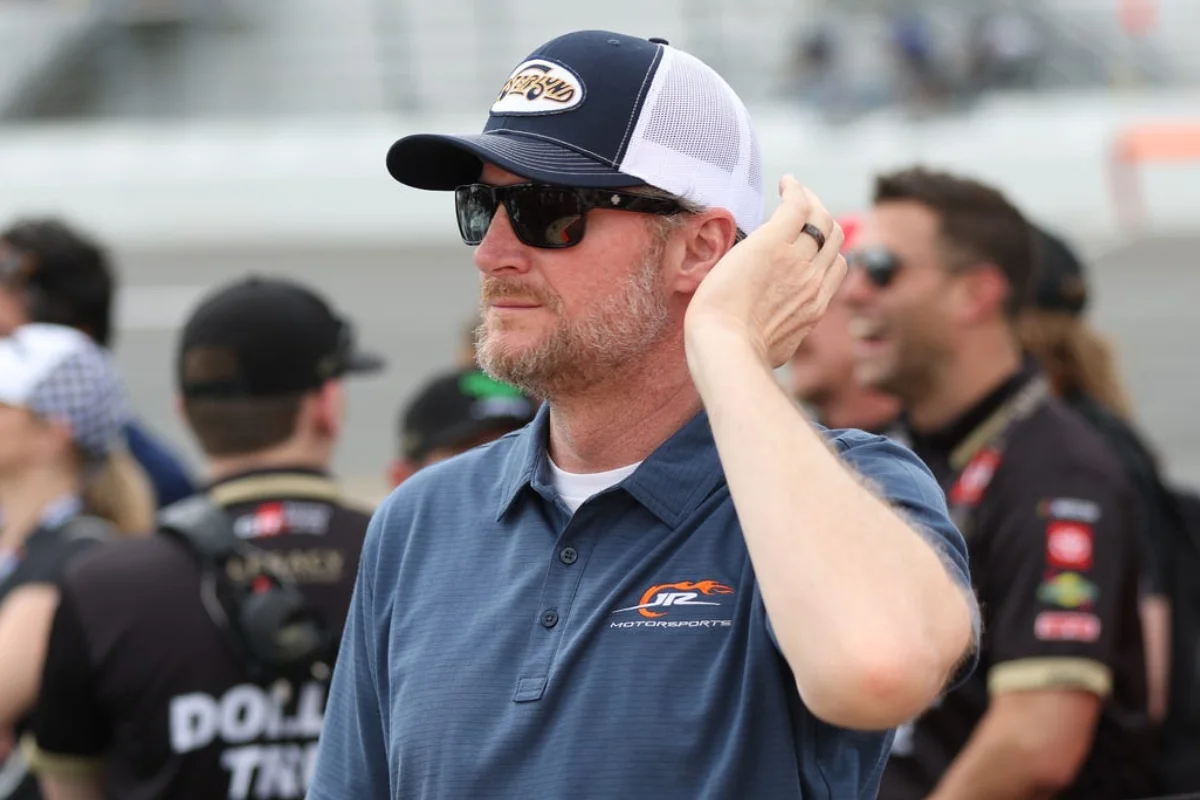
The resolution of the NASCAR charter lawsuit marks a major transformation for the sport, launching a franchise-based model where charters surge in value to $150 million almost overnight. Dale Earnhardt Jr. has addressed how these charter changes will reshape racing, potentially excluding smaller teams and altering NASCAR’s structure to align more closely with leagues like the NFL and NBA.
New Franchise Model and the End of Open Competition
After weeks of escalating tensions, the legal fight over NASCAR charters has ended, with sport leaders and teams alike agreeing on a deal that fundamentally shifts the landscape. The central result is the introduction of “evergreen” or permanent charters—turning NASCAR into a franchise system. This means participating teams will now control valuable long-term assets, with the worth of a single charter jumping from its previous $25-40 million to an estimated $150 million. Such an increase has profound implications for both current teams and any aspiring new entrants.
Dale Earnhardt Jr., recently inducted into the NASCAR Hall of Fame, discussed these transformative charter changes on his podcast. He stressed how, under this model, NASCAR is no longer just a racing series but has become a structured league of franchises, increasing the difficulty for outsiders to join. The future of teams like JR Motorsports, which Earnhardt Jr. had once hoped to see compete in the Cup Series, is now uncertain due to the enormous investment now required to enter.
If that happens, there is no going back. Like, it changes the sport forever. You’ll basically have 36 franchises — however many cars start a race — they’ll be the franchises, owned and valued and they will sell and trade from one entity to another over the course of decades and centuries, however long this goes. They’ll be a gigantic barrier of entry.
Dale Earnhardt Jr. said via Dale Jr Download.
This significant change has effectively closed the door for small and part-time teams hoping for a chance at NASCAR’s top level, breaking from a 75-year tradition where building a car and competing was always an option for those with enough drive and ingenuity.
As we’ve known racing for 75 years, if you wanted to build a Cup car and show up at a race and try to compete, you did. Probably not gonna go all that well, you’re gonna compete against the regular teams and that’s what it was, but you could. That’ll be gone forever.
Dale Earnhardt Jr. added.
Charter Value Explodes With Permanent Status
Earnhardt Jr. was candid about the sudden appreciation of the charters’ value thanks to their permanent status. Previously, the volatility of charter ownership meant teams faced significant risks, lacking assurance on return for massive investments. Turning charters into evergreen assets grants teams both greater security and a reliable exit strategy if they choose to leave, immediately raising the stakes and the value.
If the charter remains nothing more than a guaranteed entry into a single event, I think then values remain where they are today. What the teams have recognized are if those charters were to become permanent and therefore basically a franchise, the values are well north of $150 million. So, you’re sitting there with a charter that’s worth let’s say $25 million and by the stroke of Jim France’s pen, it will now be $150 million.
Dale Earnhardt Jr. said.
Every charter holding team, according to Earnhardt Jr., viewed the possibility of permanent charters as the most desirable outcome. Even those agreeable to the 2025 contract were privately hoping for a settlement that would cement long-term ownership and raise asset values substantially.
If you’re a charter owner, of course you’re hoping for that to happen. I believe, secretly, even the people that signed the Charter Agreement that someway, somehow, in the end, that these do become permanent. That is the ultimate decision that I think comes out of this whole trial.
Dale Earnhardt Jr. added.
The deal, driven by leaders such as Jim France and the NASCAR board, has adjusted the power dynamics between teams and the administration. Teams are now in a stronger financial position, holding sellable and inheritable assets akin to those in other major sports leagues. This structural reform was the consensus aspiration among most in the racing community, except for the official leadership who had resisted the franchise framework for years.
Consequences for Future Teams and NASCAR’s Evolution
While the newly permanent charters offer stability and value to current franchise owners, they introduce a daunting barrier for newcomers. The transition means that new Cup aspirants—be it drivers, entrepreneurs, or established organizations like Dale Earnhardt Jr.’s JR Motorsports—face an order-of-magnitude higher price of entry. This has raised concerns that NASCAR will lose the element of unpredictability and grassroots development that defined its earlier decades.
For over seven decades, opportunity within the Cup Series remained accessible, at least in theory. However, the new model forecloses the era of ambitious upstarts showing up to race, narrowing the field to those with considerable financial backing or existing franchise ties. The charter system’s transformation thus alters the very fabric of NASCAR, recasting it as a closed ecosystem akin to the NFL or NBA, with long-term franchises trading among wealthy owners and investors.
The immediate aftermath of the lawsuit creates complexities for charter distribution and team planning, but the collective expectation among teams is that, in the long run, the sport will attain new levels of investment, stability, and possibly global recognition.
What This Means for NASCAR’s Competitive Landscape
The end of the charter lawsuit and the dawn of a franchise league bring a mixed legacy. For existing teams and owners, particularly those holding out through the uncertainty of the trial, the ruling is a financial windfall and secures their role in NASCAR’s future. For others, though—such as aspiring teams and independent racers—the new era closes doors that were open throughout the history of stock car competition.
Figures like Dale Earnhardt Jr. and charter owners are likely to play a central role in defining how franchises will interact, evolve, and possibly consolidate in the coming years. With significant assets now at stake and the sport’s financial incentives better aligned, NASCAR’s landscape shifts toward greater institutionalization and professional management. The world will watch to see whether this change delivers broader prosperity or erodes some of the open-competition spirit that made NASCAR unique.


