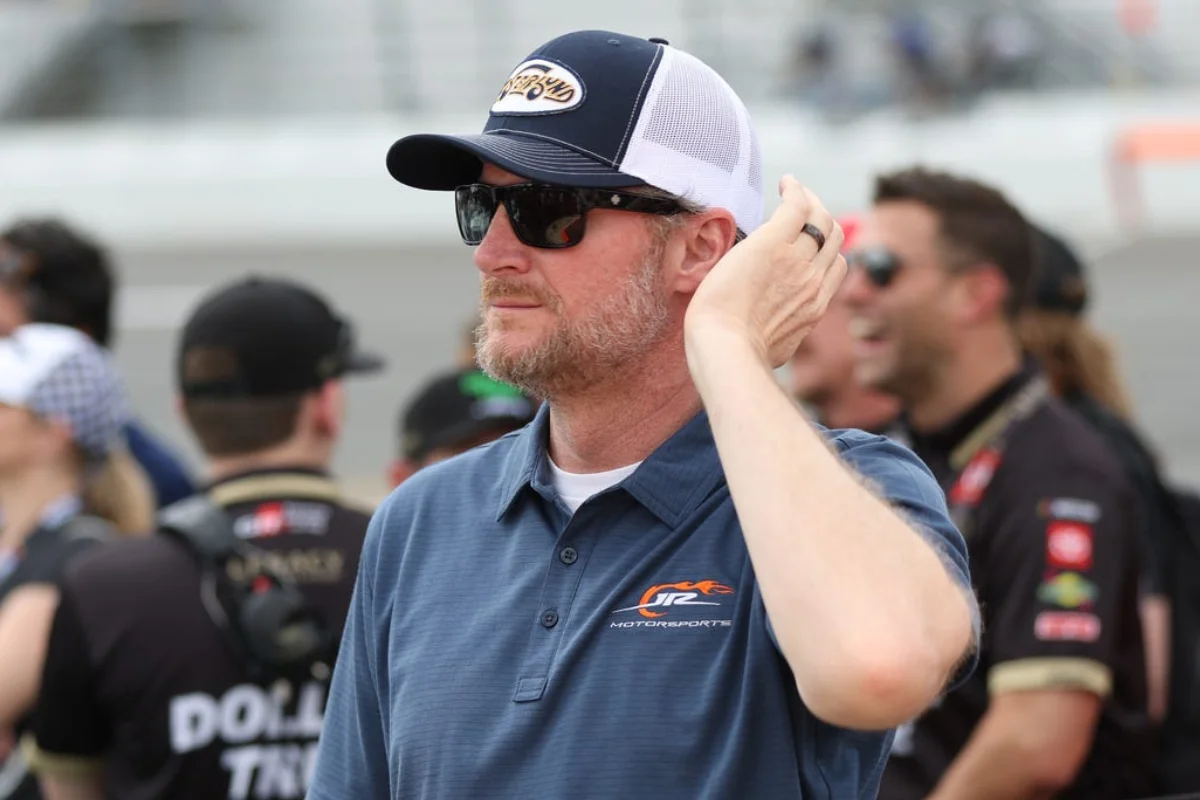
Dale Earnhardt Jr‘s insights into Dale Earnhardt Jr charter value come as NASCAR Cup Series charters have seen an unprecedented surge in worth following a recent lawsuit and landmark settlement. As NASCAR charter teams gain permanent status, franchise-like values are now being realized across the sport, marking a pivotal shift in team ownership and investment.
The sharp rise in charter value stems directly from the terms of a legal settlement last week that followed litigation between 23XI Racing, Front Row Motorsports, and NASCAR over antitrust violations. After the abrupt resolution, all 36 Cup Series charters are expected to become evergreen—meaning they carry permanent rights and protections for their holders, provided signatures are finalized.
Charter Holders Now Resemble Franchise Owners
The transition toward permanence means each charter now grants a protected slot for every NASCAR race, along with a share of revenues. This new structure moves team charters firmly into franchise territory, significantly elevating their market value and offering increased financial security for existing teams.
“If the charter remains nothing more than a guaranteed entry into a single event, I think then values remain where they are today,”
Dale Earnhardt Jr said on the latest Dale Jr. Download. Yet, over the past year, sales have already risen: Stewart-Haas Racing offloaded three charters in 2025 at prices between $26.5 million and $29.5 million, while Legacy Motor Club secured one from Rick Ware Racing for an estimated $45 million.
Post-lawsuit, Dale Earnhardt Jr sees this upward trend accelerating, supported by the new permanent status of charters. He explained,
“What the teams have recognized are if those charters were to become permanent and therefore basically a franchise, the values are well north of $150 million. So, you’re sitting there with a charter that’s worth let’s say $25 million and by the stroke of Jim France’s pen, it will now be $150 million.”
—Dale Earnhardt Jr, NASCAR driver and commentator.
What the Court Settlement Means for NASCAR and Its Teams
This sweeping change follows a legal battle that tested the relationship between race teams and NASCAR’s governing body. According to Earnhardt Jr,
“They’ll be some other little nuances of will 23XI and Bob Jenkins be rewarded some damages, will this lever get pulled, will this little thing get changed, will somebody lose a job, will this person get replaced?”
—Dale Earnhardt Jr, NASCAR driver and commentator. In his view, the big takeaway is the potential for each charter to gain franchise status, a move that cements long-term value for current stakeholders.
He further reflected,
“All those things may happen, could happen but ultimately, I think what we are deciding is do the charters become franchises, do they become permanent and realized in new value north of $150 million?”
—Dale Earnhardt Jr, NASCAR driver and commentator. With such significant increases, both smaller owners and established outfits stand to benefit financially.
Transformative Impact on the Future of Team Entry
Earnhardt Jr addressed how these changes mark a sharp departure from NASCAR’s open-entry tradition, stating,
“As we’ve known racing for 75 years, if you wanted to build a Cup car and show up at a race and try to compete, you did. Probably not gonna go all that well, you’re gonna compete against the regular teams and that’s what it was, but you could. That’ll be gone forever.”
—Dale Earnhardt Jr, NASCAR driver and commentator. The new structure may bring stability, but it also closes the door on independent teams striving for a place on the grid as “open” entries in most races.
Notably, Jr Motorsports, connected to Earnhardt Jr himself, plans to field Justin Allgaier in an open (non-charter) slot at the 2026 Daytona 500—highlighting the rare opportunities remaining for teams without a charter under the evolving system.
Broader Implications and Next Steps for NASCAR Owners
The $150 million Dale Earnhardt Jr charter value prediction reflects the scale of this transformation. If the settlement terms are finalized as expected, charter holders—ranging from major teams like Stewart-Haas Racing and Legacy Motor Club, to entrants such as Rick Ware Racing—could see their investments multiply almost overnight. Jim France, NASCAR’s chairman, holds a pivotal role in signing off on these changes, which could redefine motorsport ownership models in the United States.
While nuances remain—such as possible adjustments to damages, operational changes among teams, or shifts in personnel including figures like Bob Jenkins—the main narrative is clear: the NASCAR Cup Series charter is on track to become one of the most valuable assets in American sports. As franchise values soar and team security strengthens, the landscape for new and veteran owners alike is fundamentally altered for years to come.