
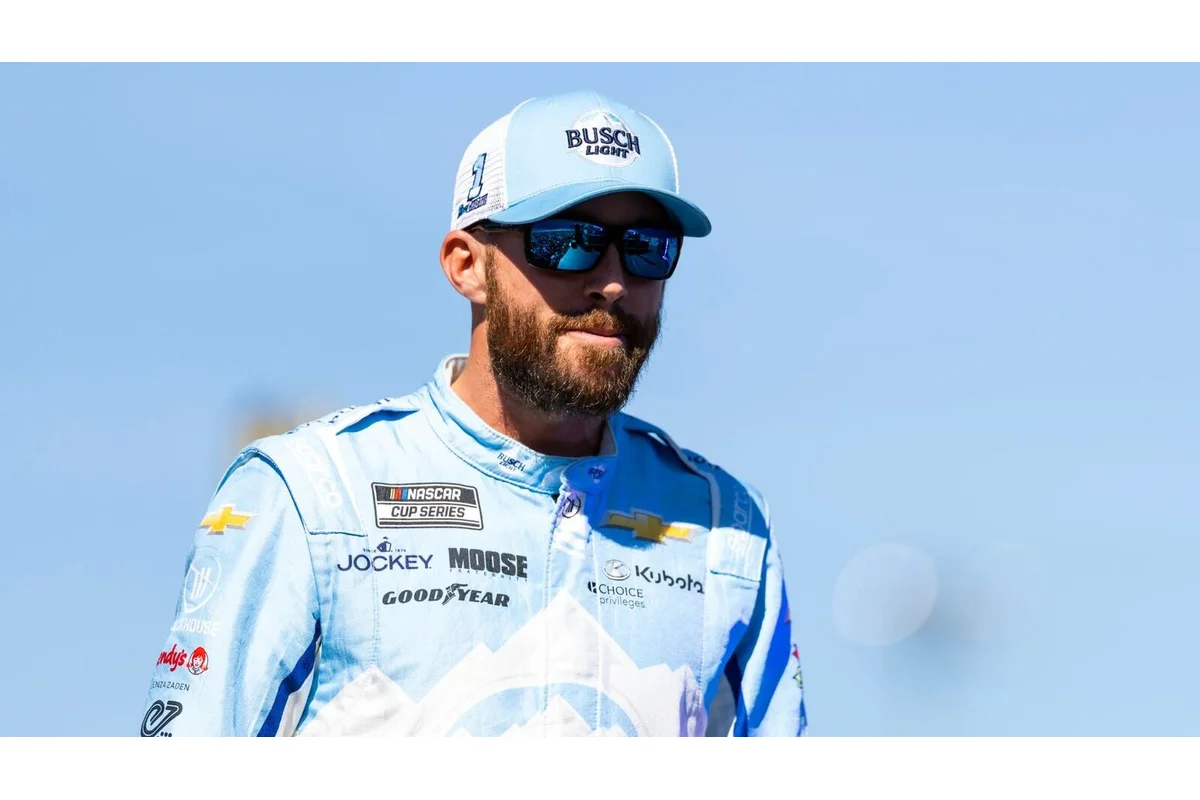
Ross Chastain’s NASCAR funding struggle highlights the immense financial barriers that aspiring racers face, in contrast to more accessible traditional sports. Despite his determination and resilience, Chastain’s journey from southern Florida watermelon fields to the highest levels of auto racing required relentless pursuits of sponsorship and ingenuity.
A Racing Dream Built Far from the Track
Unlike sports such as baseball or soccer, where early participation requires minimal resources, motorsports demand steep financial commitments even before athletes reach the professional stage. Go-karts for children, the eventual progression to larger and far more costly vehicles, and the formation of support teams—all are foundational requirements. For those without a legacy in racing or affluent backgrounds, these costs form daunting barriers. Ross Chastain was shaped by a family rooted in watermelon farming, not motorsports, with much of his youth spent surrounded by crops rather than engines.
Chastain represents the eighth generation of his family working the southern Florida fields. The discipline and perseverance gained from generations of farmers did not translate into financial leverage for funding a racing career, which often relies heavily on early access to resources and established industry connections.
Early Hustle and the Stark Cost of NASCAR Entry
Chastain’s move toward professional racing escalated in 2017 as he entered the NASCAR Xfinity Series with JD Motorsports. Working with the No. 4 Chevrolet, he learned just how wide the funding gap extended for families like his. Occasional participation in regional events and lower-tier national races could be supported by his family’s watermelon farming operation, but consistently running at higher levels quickly proved cost-prohibitive. Chastain and his family immediately began brainstorming creative solutions, often looking first to their connections in the agricultural sector.
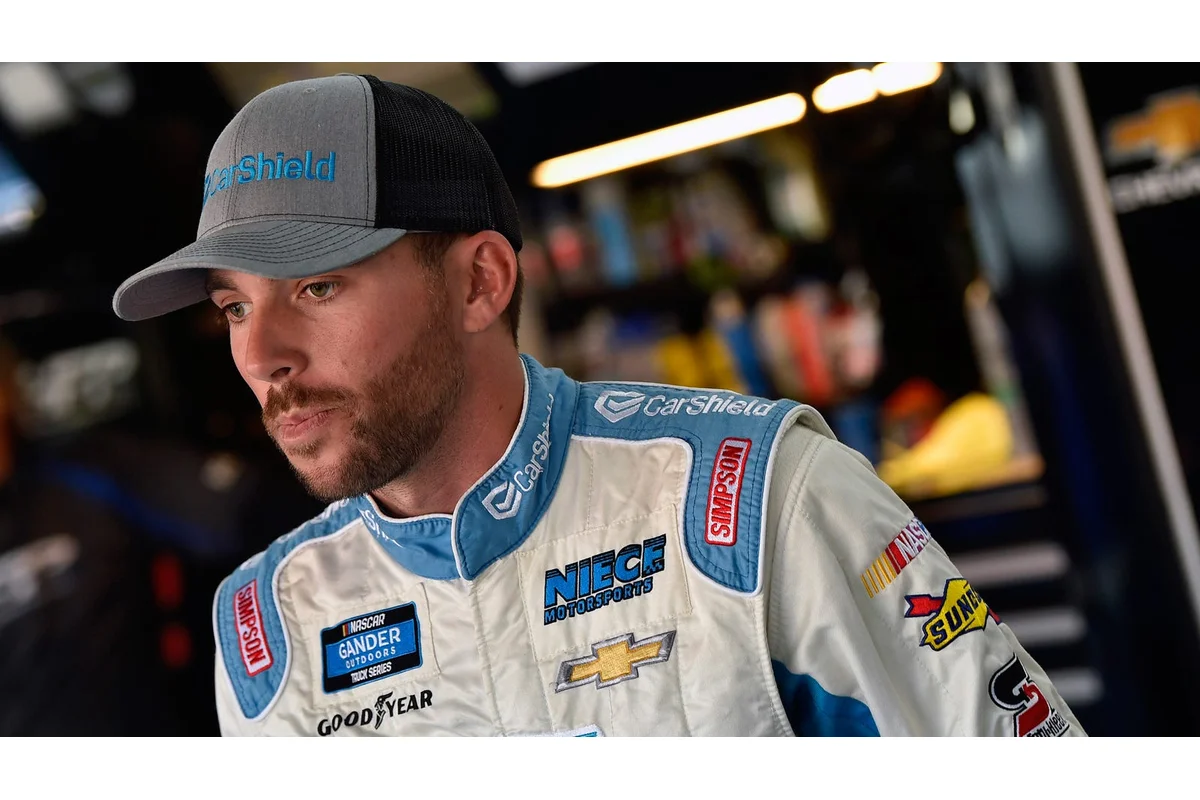
They sought support from the National Watermelon Promotion Board, an organization that had previously contributed to their lower-level racing programs. Melon 1, which acts as both distributor and broker of watermelon, offered further, albeit limited, backing. Despite these efforts, Chastain’s racing operation still struggled to close the financial gap necessary for full-scale NASCAR competition.
The Search for Sponsors and a Moment of Truth
One pivotal evening, Chastain and his family illustrated the scale of the challenge by projecting a blank truck on their computer and attempting to fill it with potential sponsors. As they compiled a list of companies and supporters, the stark reality set in. There simply was not enough advertising space on the truck to accommodate the sheer volume of small-dollar sponsors they would need to cover the expenses.
“So we figured we might be able to run one race, but after that we would be out of people and money,”
Chastain admitted.
He also explained that the uphill battle never truly disappeared. Even as he approached a near full-time racing calendar, the continuous need for funding remained. Chastain emphasized that his team fielded cars in thirty-three events each year, but the search for sponsors—led by their vice president of marketing—was an unending process.
The Financial Realities Behind Competitiveness
The struggle is not simply about sustaining a presence on race day; it also dictates competitiveness. Chastain revealed just how much it costs to remain on the grid and be competitive among the upper ranks:
“For my team to be competitive costs about $50,000 a race,”
he said.
While daunting, Chastain pointed out that this figure represents a more modest budget compared with powerhouse teams such as Roush, Joe Gibbs Racing, or Dale Earnhardt Jr.’s operation—where costs between $150,000 to $175,000 per race are typical. Teams or drivers unable to access these levels of funding are often left racing with what they can gather, aware that every dollar makes a tangible difference in speed and results.
Progress and a New Chapter at the Top
Chastain’s circumstances have evolved since those hard-fought early days. Now as a Cup Series driver for Trackhouse Racing, he shares the garage with high-profile competitors like Shane van Gisbergen and up-and-coming talent Connor Zilisch. Enhanced performance over recent seasons has helped him build a stronger platform, likely easing some of the urgent financial pressures of earlier years.
The story of Ross Chastain, rooted in the fields of Florida and shaped by generations of farmers, shines a spotlight on the relentless drive and ongoing sponsorship hurdles that still shape NASCAR careers. His experience is a reminder of the invisible battles waged long before the green flag drops, and the crucial role of support—both financial and community-based—in pursuing motorsport dreams.

