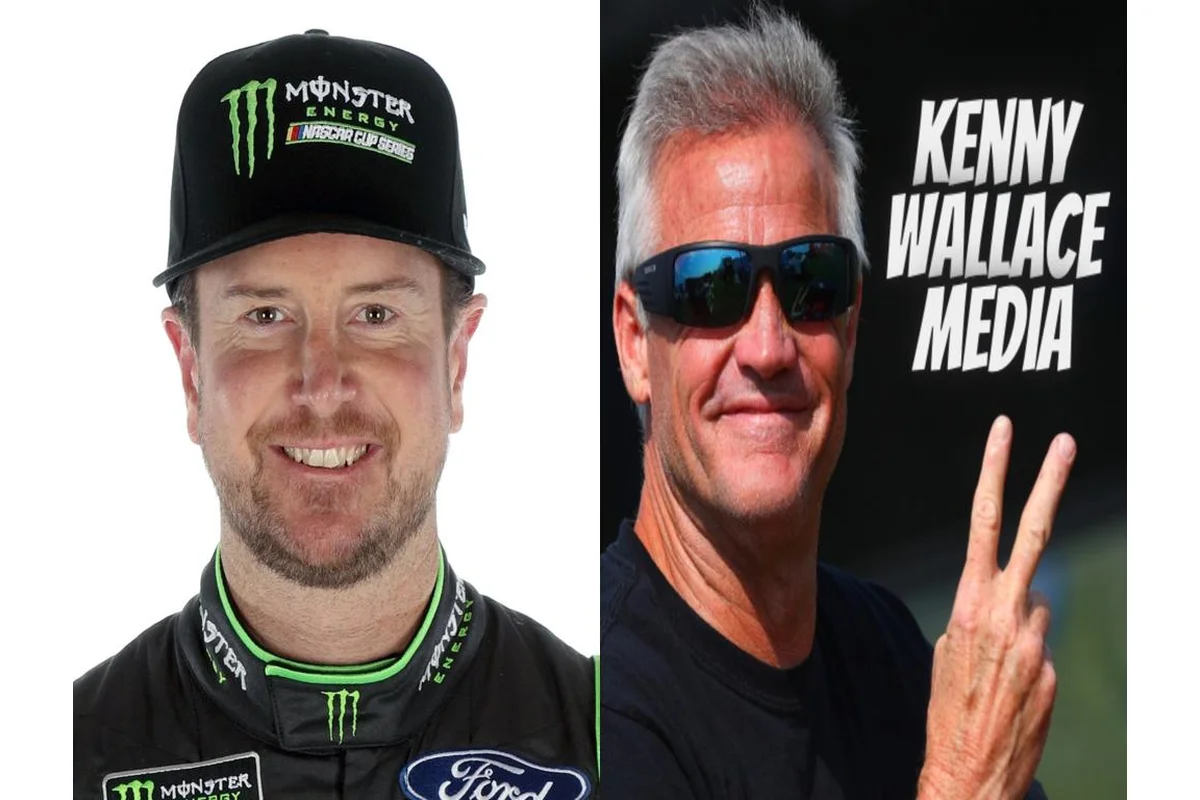
NASCAR Hall of Famer Mark Martin recently opened up about his influential journey with Kurt Busch during the launch of his podcast on Kenny Wallace Media, tracing the roots of their bond and the impact it had on their storied careers. Their partnership, forged during their years as teammates at Roush Racing, played a formative role in shaping both drivers’ legacies within the sport, with the focus keyword Kurt Busch NASCAR Hall of Famer highlighting the significance of this connection.
Building Mutual Respect in the NASCAR Garage
Reflecting on their early days, Martin praised Busch’s raw speed and the respect that quickly grew between them, providing a foundation for their collaboration. Martin credited the respect he showed the younger Busch, suggesting that this initial show of faith helped cement their relationship.
“I think because I gave him respect first. I respected his talent, and I had always been a fan of the young guys coming up all through my career, even in ASA when I was a young guy,”
Martin explained, demonstrating the regard he held for ambitious newcomers. – Mark Martin, NASCAR Hall of Famer.
He elaborated on his support for emerging talent and his early impressions of Busch’s remarkable abilities.
“I was always championing the kids, the younger guys. So Kurt had blinding speed, and once he stepped into that Cup car, it was unreal. I mean, it was absolutely shocking how fricking fast he could go. It was absolutely unreal.”
– Mark Martin, NASCAR Hall of Famer.
The Strategy That Changed Two Careers
From 2001 through 2005, Martin and Busch shared the Roush Racing garage, facing frustrations with lackluster results despite high expectations and experienced crew chiefs like Jimmy Fenning. As the organization struggled to reach victory lane, Martin suggested a bold solution: a full crew swap between his No. 6 team and Busch’s No. 97 car. This radical move involved exchanging not only the pit crews but also the crew chiefs, giving Busch the opportunity to work with seasoned leadership and placing Martin alongside the relatively inexperienced Ben Leslie.
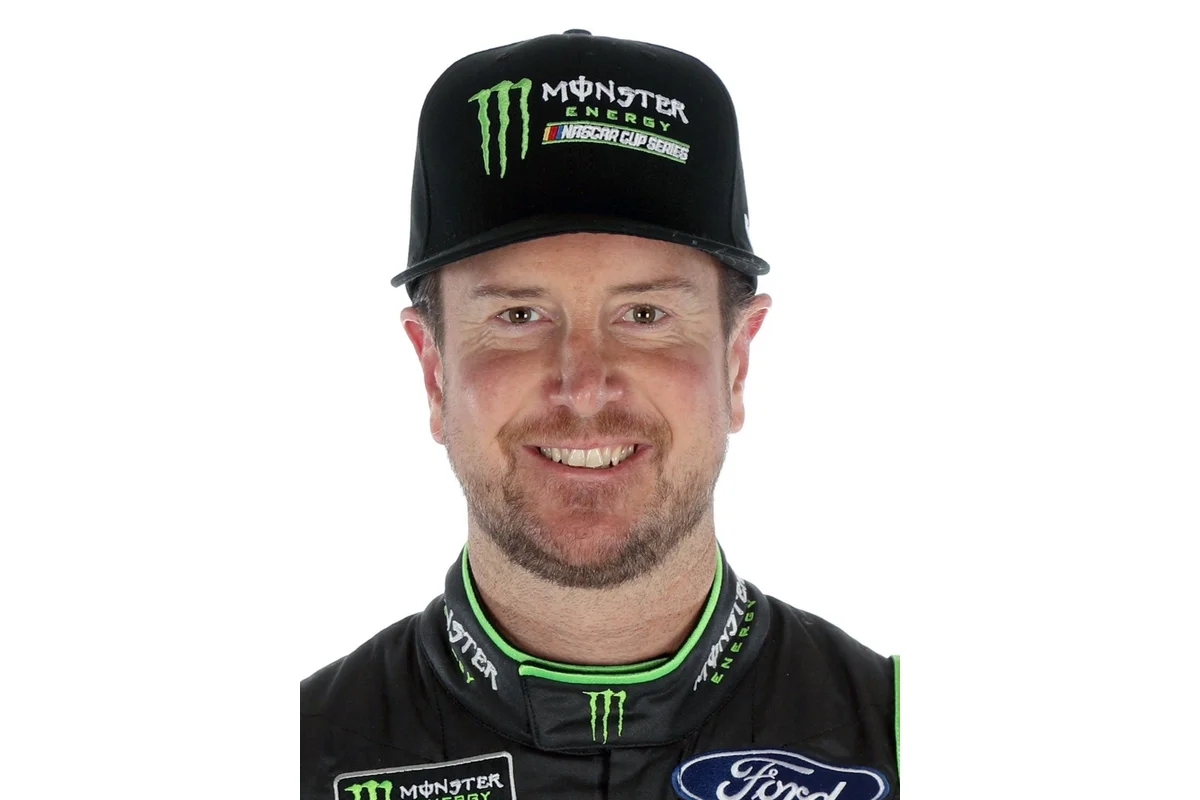
At the dawn of the 2002 season, both Martin and Busch appeared for competition with new teams and swapped paint schemes, symbolizing a fresh start. The changes revitalized their performances—Martin went on to win the Coca-Cola 600 and contend for the season title, while Busch captured his first victory at Bristol and soon added wins at Martinsville, Atlanta, and Homestead to his résumé.
Kurt Busch’s Climb to the Top of NASCAR
Busch’s momentum intensified as he moved through the 2003 season, culminating in a dramatic triumph the following year. In 2004, Busch secured his first NASCAR Cup Series championship, successfully competing against elite racers such as Jimmie Johnson and Jeff Gordon in a thrilling season finale. This crowning achievement cemented his status as one of the premier drivers of his generation.
Hall of Fame Recognition and the Enduring Impact
In May, NASCAR honored the career of Kurt Busch by inducting him into the Hall of Fame’s Class of 2026. This prestigious acknowledgment reflected his championship-winning pedigree, his multiple high-profile victories, and his consistency as a competitor at the sport’s highest level. The partnership with Mark Martin and the pivotal changes within their teams became a defining chapter not only for each driver but also for the fabric of the NASCAR Cup Series itself.
The emotional stories and strategic decisions recounted by Mark Martin on his debut podcast episode, as seen on the launch platform of Kenny Wallace Media, offer valuable insight into how respect and mentorship can transform both careers and the broader NASCAR landscape. As competitors, Martin and Busch demonstrated that shared belief and daring action can produce results that last a lifetime, encapsulating the spirit that continues to drive the world of motorsports forward.
Celebrating @KurtBusch!@markmartin & @6matthewmartin share stories about the next #NASCAR HOF’ers KB & Harry Gant on ep #1 of Mark Martin Archive!
Available right now on @Kenny_Wallace Media podcast!
👇
Apple: https://t.co/OzepZTmAbL
Spotify: https://t.co/p47ClGtijM pic.twitter.com/HTpiLM7RSm
— Kenny Wallace Media (@KWallaceShow) January 6, 2026