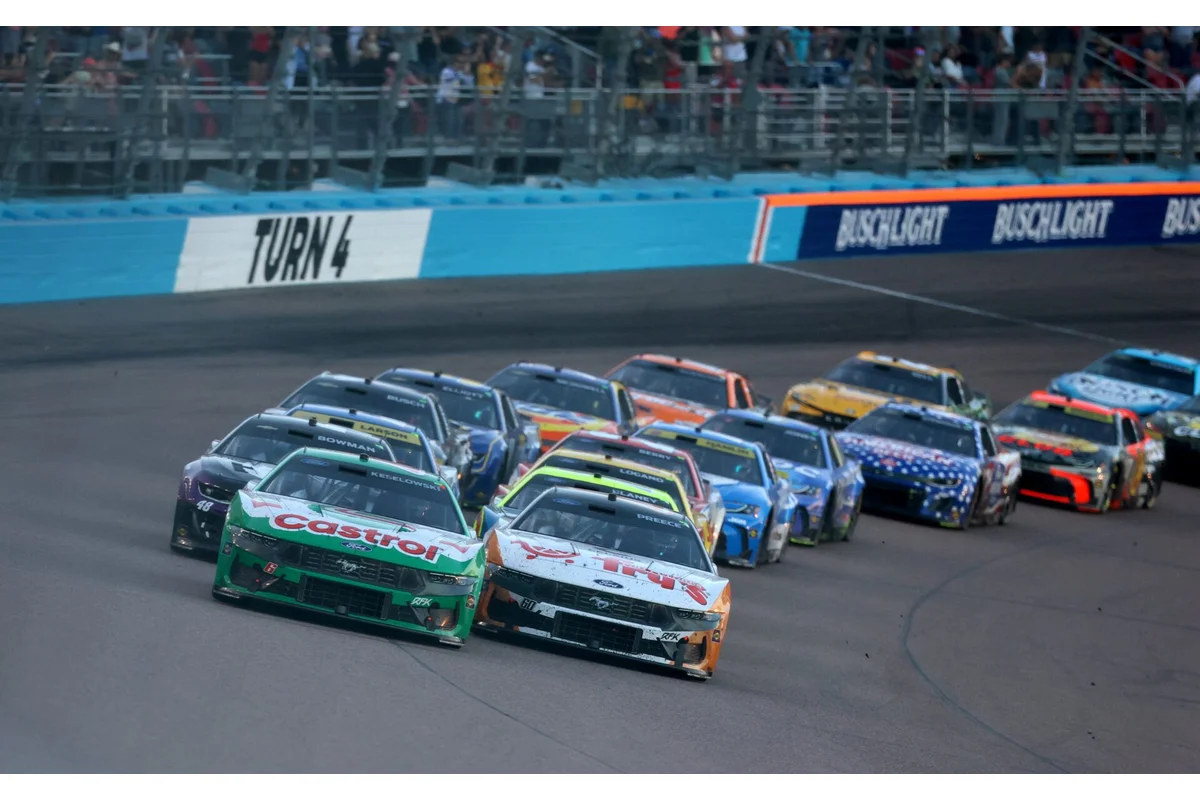
On January 11, 2026, a passionate debate about Brad Keselowski’s legacy as the master of tandem drafting reignited on social media, placing the spotlight back on a controversial NASCAR technique. The exchange unfolded after Mark Martin, a legendary figure in racing, publicly recognized Keselowski’s dominance in the now-prohibited tactic at superspeedways such as Talladega and Daytona.
Tandem drafting, a strategic move where two cars align nose-to-tail to gain speed and outpace rivals, has long been associated with Brad Keselowski. It propelled him into NASCAR’s elite and even earned him a championship, but its physical demands and related criticisms led to its eventual ban years ago.
Mark Martin Sparks Conversation Over Tandem Drafting’s Legacy
The recent dialogue began as Mark Martin reflected on the era of tandem drafting, referencing a conversation with Brad Keselowski’s brother, Brian Keselowski. Martin’s social media activity has fueled many motorsport discussions, but this comment—spotlighting Brad’s role—stood out for fans and drivers alike.
“Your brother @keselowski was the king of it,”
Mark Martin, NASCAR veteran, declared, cementing Brad Keselowski’s reputation as the leading figure of tandem drafting during its prominence. The sentiment was immediately echoed by fans and others within the racing world, who recalled both the excitement and controversy the strategy brought to NASCAR events.
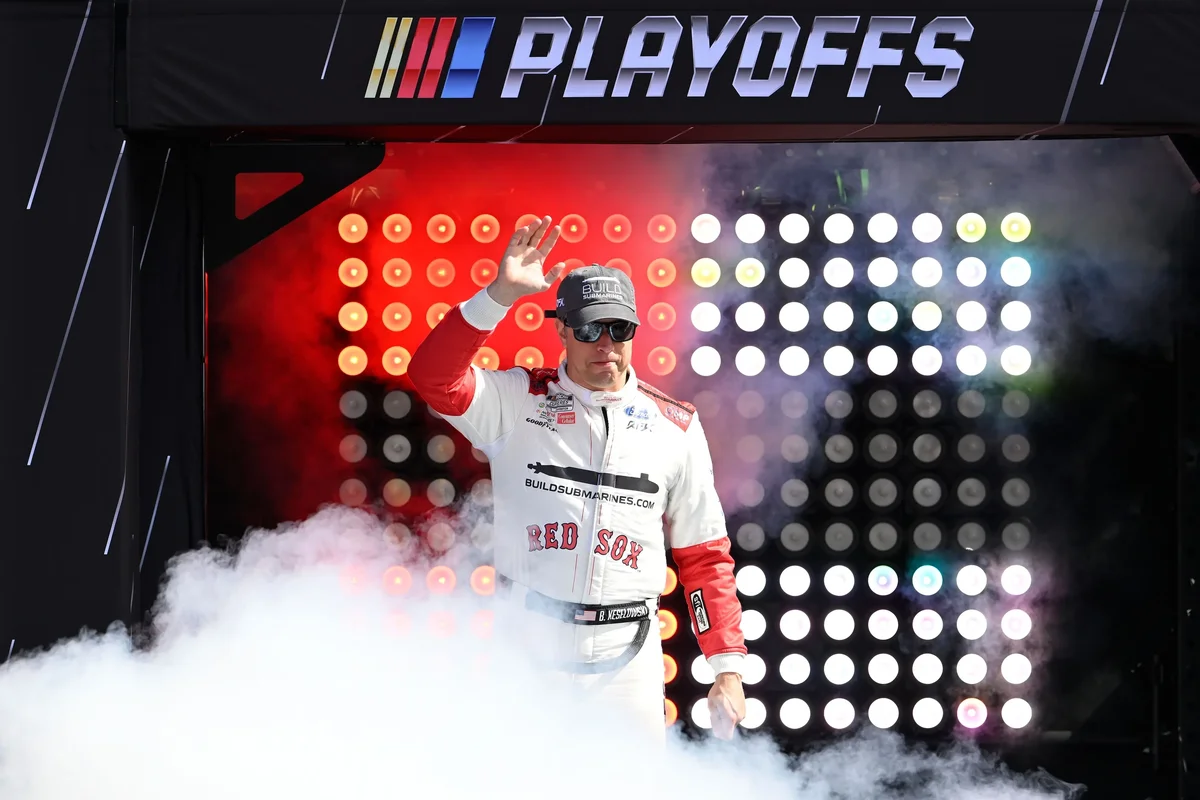
Brian Keselowski Remembers Challenge and Skill of Tandem Racing
Brian Keselowski, himself an experienced racer, acknowledged the extreme difficulty and skill tandem racing required, even for seasoned drivers. He noted that although he only participated a handful of times, the technique demanded complete focus and teamwork.
“For sure, tandem racing was the hardest I ever drove on a superspeedway. And I only got to do it a couple times,”
Brian Keselowski, NASCAR veteran, shared, underlining the level of effort that went into mastering the art at top speeds.
Tandem drafting, especially at high-speed tracks like Daytona and Talladega, dominated key races in the late 2000s and early 2010s. The strategy allowed drivers to move through the field more efficiently by reducing drag and sharing critical airflow, often resulting in fast-paced, dramatic finishes that thrilled the audience but challenged race officials to adapt to evolving competition.
NASCAR’s Move to Ban the Tandem Draft
Despite the spectacle, the governing body eventually ruled against the continued use of tandem drafting. By June 11, 2014, NASCAR banned the practice not only in the Truck series but also in the O’Reilly Auto Parts series, citing concerns over driver safety and the extreme focus required to execute the draft for extended periods. These changes forced a return to larger pack racing and ushered in new aerodynamic and engine regulations in the Cup Series.
Brad Keselowski, crowned 2012 NASCAR Cup champion and now a co-owner and full-time driver with RFK Racing, became synonymous with the most memorable moments from this period. His combination of boldness and technical skill, particularly at superspeedways, left a lasting impression on the sport’s strategy.
Historic Victories and Tactical Brilliance
Keselowski’s breakthrough as a Cup Series driver was directly linked to the tandem draft. In 2009, he secured his first NASCAR win at the Aaron’s 499 at Talladega, using the technique to gain a crucial edge on the final lap. Working closely with Carl Edwards and then breaking formation, Keselowski surged ahead for a memorable victory that set the tone for his future at superspeedways.
This breakthrough demonstrated just how effective tandem drafting could be when wielded by a masterful driver. The approach not only became his calling card but also shifted the focus of competition at Daytona, Talladega, and other superspeedways for several years. Keselowski continued to use the draft to great effect, including in the 2012 Talladega race where he and Kyle Busch built a commanding lead before Keselowski made a decisive move coming to the white flag lap.
Yet the strategy wasn’t without risk. Engines were prone to overheating due to blocked airflow, and the driver in the trailing car faced reduced visibility, heightening the challenges and risks even as fans watched with anticipation.
Personal Reflections Highlight Brotherhood and Innovation
Brian Keselowski reminisced about the direct impact Brad had in his own career, pointing out that Brad’s technical skills in tandem drafting sometimes propelled cars thought to be underperforming into the limelight. Their collaboration in the 2011 Daytona 500 is a standout example, where Brad helped push his brother’s car into race contention, demonstrating the unique partnership and tactical awareness that defined the era.
“Oh, trust me, I know. He pushed that old, slow turd of mine into the 500 in 2011. I learned a lot later why that worked so well, and I used that to push other guys to the front in races after that. It was way easier to push a slower car, as I didn’t have to drag the brakes as much,”
Brian Keselowski stated, affirming both the skill involved and the innovation shown by Brad during high-stakes moments.
The camaraderie between the Keselowski brothers is emblematic of the wider family and competitive connections within NASCAR, where shared tactics and experiences shape the evolution of the sport over generations.
Brad Keselowski’s Recent Setback and Season Outlook
While the discussion around tandem drafting brought nostalgia to NASCAR circles, Brad Keselowski is currently facing a different challenge. During the lead-up to the 2026 season, he suffered a skiing accident that has sidelined him during a crucial phase of preparations. As recovery continues, the team made the decision that Keselowski would miss the high-profile Clash at Bowman Gray Stadium, scheduled for February 1, 2026.
RFK Racing and Keselowski announced that Corey LaJoie will fill the No. 6 Ford seat at the event to give Keselowski additional time to heal. Keselowski addressed the decision with characteristic straightforwardness, emphasizing that rushing recovery would not be wise.
“I didn’t want to rush back. The team and I kind of decided together that if all the rehab went absolutely perfectly, we’d be ready. Like literally the day of the Clash. And that seemed super foolish and didn’t give us any time to, you know, do any testing on myself or anything like that,”
Brad Keselowski, NASCAR driver and team co-owner, explained.
Uncertainty Surrounds Daytona 500 Participation
The bigger issue now facing both the team and fans is Keselowski’s potential absence from the Daytona 500—NASCAR’s most prestigious race and the de facto season opener. With a narrow window for recuperation between the Clash and Daytona, medical clearance and effective rehabilitation are top priorities for both the driver and RFK Racing.
Missing the season’s opening events raises concerns about lost experience and race-readiness, particularly with the heightened expectations and passion surrounding the Daytona 500. The Michigan native’s resilience is well known, fueling optimism that, provided he receives medical approval, he could return in time to compete for another iconic superspeedway victory.
The Tandem Draft’s Complexity and Current Relevance
Even as NASCAR has shifted regulations to prevent the return of full-fledged tandem drafting, the strategy’s impact is remembered as one of the most dynamic and controversial periods for the sport. The ban on sustained nose-to-tail pairs led to a resurgence of larger pack racing, placing more emphasis on drafting skills but reducing the likelihood of two-car breakaways that defined the era Keselowski and his peers dominated.
The complexity of tandem drafting—involving precise car control, timing, and communication—remains a testament to Brad Keselowski’s ingenuity as a driver. His ability to innovate within the rules, push technical boundaries, and inspire strategic changes has not only shaped the sport’s history but set new benchmarks for what is possible on NASCAR’s fastest tracks.
Looking Forward: Keselowski’s Legacy and What Lies Ahead
The passionate debate over Brad Keselowski’s mastery of tandem drafting highlights how sports icons can leave lasting imprints, both through technique and leadership. As the 2026 NASCAR season looms, attention is fixed on his recovery and the question of whether he will mark his return at Daytona.
With Mark Martin and Brian Keselowski’s reflections sparking new appreciation among both veteran and emerging fans, Brad Keselowski’s name stands as a reminder of bold strategy in motorsports. His story illustrates how spirited competition and innovative driving continue to define NASCAR’s evolution, ensuring that memorable moments and spirited rivalries endure long after the checkered flag falls.
Your brother @keselowski was the king of it. https://t.co/cF3NAyY8rK
— Mark Martin (@markmartin) January 11, 2026