Richard Petty, renowned for his remarkable legacy in the NASCAR Cup Series, experienced a flood of emotions during his final appearance at the Atlanta Motor Speedway in 1992. As “The King” stepped away from NASCAR, his departure became a deeply personal event not only for himself but for those closest to him, reflecting the end of an era in American racing.
The Enduring Legacy of Richard Petty’s Racing Career
Over a remarkable 35-year span, Richard Petty amassed an unparalleled record of 200 wins and seven Cup Championships, achievements that still loom large in NASCAR’s history. With recent changes to the sport’s competition format, the likelihood of modern drivers surpassing these milestones remains slim, securing Petty’s place as a central figure in racing lore.
Petty last clinched a Cup championship in 1979. In the years that followed, his performance declined, never placing in the top twenty in Cup points during his final five seasons. This downturn in results led him to retire in 1992, marking the Atlanta Motor Speedway as the site of a poignant farewell for both Petty and his extensive fan base.
Facing Retirement and the Weight of the Moment
As Petty revisited that emotional day in a recent session on the Petty Family Racing YouTube channel, he was candid about the internal struggles he faced. The reality of parting with a defining chapter of his life impacted him and his family deeply, and Petty did not shy away from describing the emotional gravity of the situation.
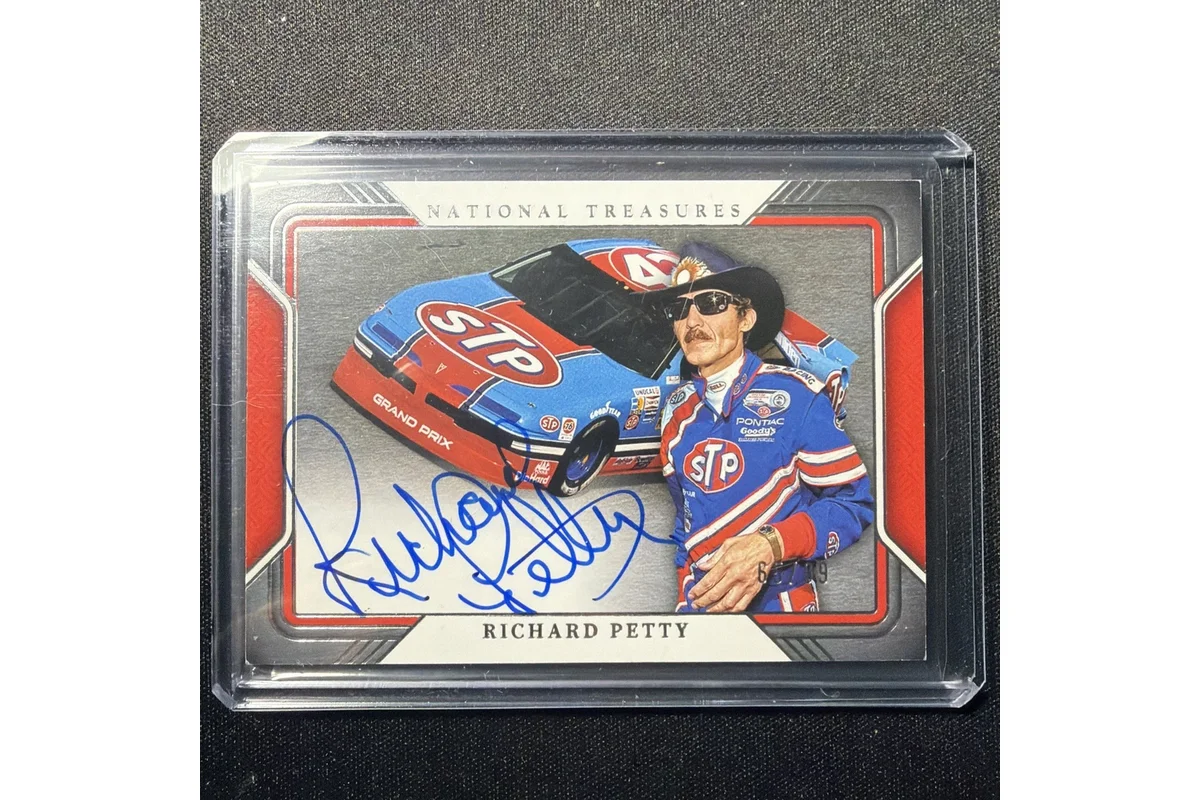
“I think if I ever get emotional or ever got emotional, that was probably the most emotional that me and the whole family was because we knew it was going to be the last of the whole deal, and he went out and they said just be careful, finish the race, don’t race with nobody. First thing you know, I get in a wreck.”
— Richard Petty, NASCAR Champion
Throughout the race, conflicting feelings persisted for Petty as he tried to balance his competitive nature with the knowledge that his career was concluding. The atmosphere was a mix of relief and regret, as Petty himself expressed during his reflection.
“So, the emotions were really high, and it was just one of those deals that I guess I was really glad it was over, but on the other hand, I wished I had some more left in me.”
— Richard Petty, NASCAR Champion
Crew Chief’s Perspective and Unexpected Farewell
Dale Inman, Petty’s veteran crew chief and spotter for the No. 43 car, also reflected on the historic day. According to accounts from that period, Inman regarded it as a somber moment, escorting Petty to the drivers’ meeting and recalling Petty’s light-hearted promise to fellow competitors about staying out of trouble on the track.
Despite Petty’s intentions and a car capable of finishing respectably, his last race was affected by on-track misfortune. A collision on Lap 96 resulted in his car catching fire, ending his final NASCAR outing in 35th place. Petty later joked about his dramatic exit, suggesting he had hoped to finish in a blaze of achievement but instead quite literally “went out in flames.”
Significance of the 1992 Atlanta Race
The event marked more than just the culmination of Richard Petty’s incredible journey; it was unique for also featuring Dale Earnhardt and Jeff Gordon in the same field—a rare gathering of three generations’ most influential drivers. For Jeff Gordon, it was the first step in what would become his own celebrated Cup career, while Earnhardt was actively continuing his own historic run.
As Petty completed his final laps, the sport collectively recognized the transition underway in NASCAR history. The Atlanta race remains memorable not just for Petty’s emotional farewell but as a symbolic crossroads for some of stock car racing’s biggest names.
Ultimately, Richard Petty’s final NASCAR race underscored the complex emotions that come with closing such an extraordinary chapter. His reflections, echoed by those who worked closely with him, continue to resonate as NASCAR evolves—preserving his status as a monumental figure in motorsports.