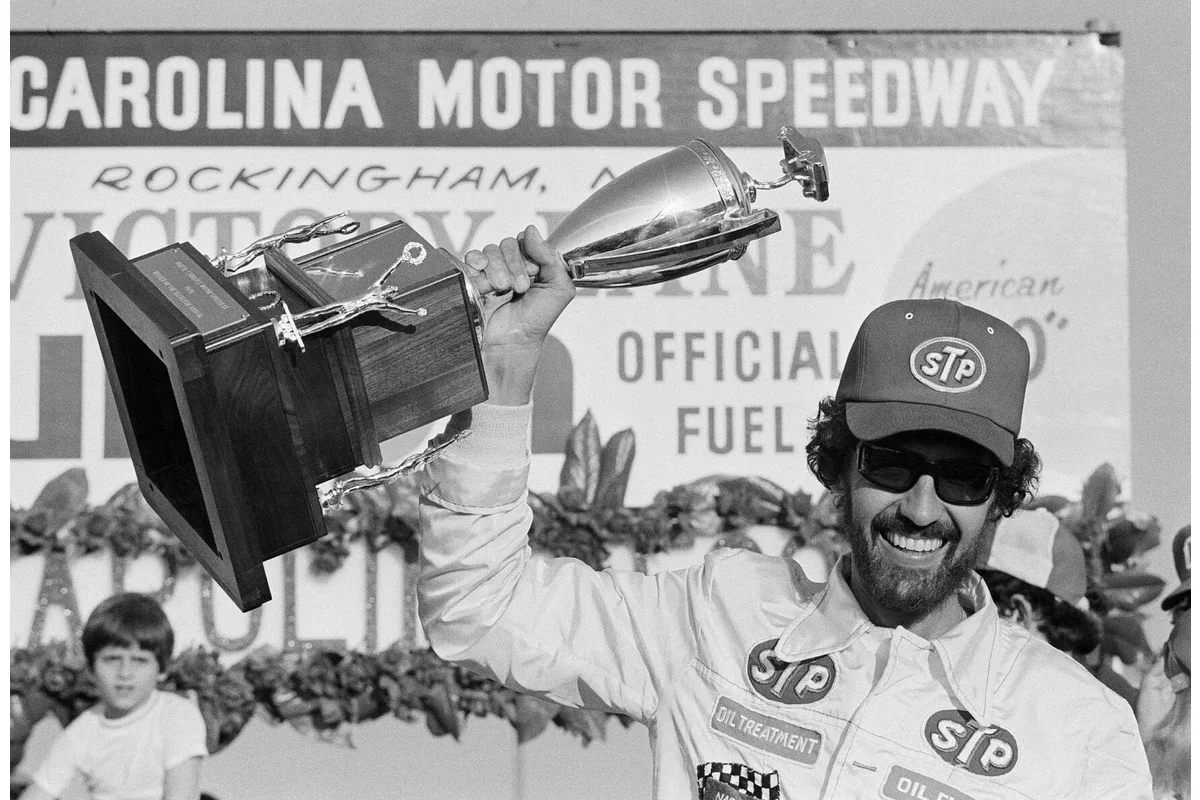
Richard Petty’s concerns about the racing economy are drawing renewed discussion in 2026, as fluctuations in NASCAR’s fortunes and the broader financial climate influence race participation and team investment. The legendary driver and figures like Kenny Wallace highlight how shifts in the American economy are closely mirrored in the motorsports world, making the “Richard Petty racing economy” a pressing topic for fans, sponsors, and teams alike.
Petty and Wallace Reflect on NASCAR’s Modern Financial Realities
At the NASCAR Cup Series Playoff Race Xfinity 500 in Martinsville, Virginia, seven-time Cup Series champion Richard Petty engaged with fans, embodying decades of experience in a sport transformed by economics as much as engineering. This transformation, observed by Petty and echoed by fellow racing veteran Kenny Wallace, centers on the mounting costs of cars and tires and the shifting balance between sponsorship, participation, and the wider financial system.
Petty’s son, Kyle Petty, has also voiced reservations about NASCAR’s modernization, suggesting that ongoing changes risk outpacing racing’s fundamental culture. As costs and expectations rise across the board, insiders warn that even record car fields are not immune from the pressures of the economy. The dialogue intensified after Kenny Wallace brought renewed attention to these concerns.
Evolving Racing Economics: More Than Just Fast Cars
Kenny Wallace recently drew attention to the strong links between economic trends and motorsports participation. He observed:
“The real subject matter of the day: the economy is booming. Gas prices are way down,”
— Kenny Wallace, veteran NASCAR driver and commentator.
“Kyle Petty says you can follow the car counts in auto racing by the stock market, because everything we do in racing or in sports, including sponsorship, follows the stock market. So the stock market is basically like going to Vegas.”
— Kenny Wallace, sharing Kyle Petty’s perspective.
Wallace underscored that while more cars are showing up to tracks across America, this uptick reveals as much about financial health as it does about motorsport’s popularity. He pointed out the persistent dependency motorsports has on corporate dollars and broader market confidence.
In a 2006 interview, Kyle Petty noted the shift from purely competitive driving to a marketing-driven enterprise:
“Now you are part of a marketing platform. The driver, the car, and the sponsor are part of the activation, the marketing, and the sales.”
— Kyle Petty, to Sports Business Journal.
This comment captures how deeply the economics of racing have changed. Success now demands not just speed, but savvy commercial appeal—drivers serve as brand ambassadors, cars double as billboards, and team fortunes rise and fall on the health of sponsor companies.
Record Turnouts at Marquee Events Reflect Financial Shifts
Wallace’s recent remarks also highlight how economic boom times can drive swelling participation in grassroots and major events. He said:
“Coffee with Kenny”The economy is booming and so is car counts at the race track. And WAY MORE🏁 pic.twitter.com/lu0jAdKdfd— Kenny Wallace (@Kenny_Wallace) January 11, 2026
— Kenny Wallace, via social media.
In particular, the 2026 Chili Bowl Nationals serve as a compelling example. The Oklahoma event, a major date on the indoor midget racing calendar, has seen a record entry list with approximately 385 competitors, surpassing the previous high of 381 from 2022. This turnout, according to Wallace, is a sign of the costs becoming more manageable for teams, especially when lower fuel prices ease travel expenses:
“Like the way people want to live that, that, that’s always been crazy. But when it comes to finances, things are really good right now. Sponsors are doing well. And so I have just noticed that. And I wanted to bring that up that when you see gas prices as cheap as they are, that means these dirt teams, they can travel cheaper,”
— Kenny Wallace, veteran NASCAR driver and commentator.
With teams and fans traveling farther and investing more, the connection between the racing economy and broader financial health is clearer than ever. The influx of entries and sponsors at marquee racing events is not just a reflection of the sport’s appeal but also evidence of rising economic confidence.
A Barometer for Economic Confidence in Motorsports
The observations of Petty and Wallace suggest that motorsports act as a unique indicator of wider trends in American economic life. In recent years, when gas prices fall and consumer confidence rises, there is a visible surge in participation, attendance, and sponsor investment at events from grassroots dirt tracks to NASCAR’s highest levels. These trends are felt across geographic regions, from Oklahoma’s Chili Bowl Nationals to high-profile venues such as Martinsville Speedway and the historic return of points races to North Wilkesboro.
For team owners, sponsors, and fans, understanding this relationship helps explain why certain seasons see explosive growth while others falter. Even as the 2026 season unveils its financial optimism, Petty’s earlier warnings stand as a reminder that these trends are not guaranteed to last indefinitely, especially as the business of motorsports grows more intertwined with market forces.
NASCAR’s Response: Changes to Restore Confidence
NASCAR entered 2026 after a turbulent year, marked by a high-profile lawsuit and mounting pressure from fans. Within weeks of a major legal settlement, the organization enacted a series of significant changes designed to boost trust and engagement among its core audience. Kenny Wallace addressed these reforms, noting:
“We’re 9 days into the new year, and NASCAR’s already announced three things. That’s how big a change this year is going to be… Do you see what NASCAR is trying to do? They’re trying to make things right. They messed up. They made a mistake, and they know it. But I’m excited that they’re trying to make it right,”
— Kenny Wallace, veteran NASCAR driver and commentator.
The most prominent updates include raising horsepower to 750 HP on short tracks and road courses, implementing a revised short track aero package to place greater emphasis on driver skill and tire strategy, and returning the season finale to Homestead–Miami. Other notable moves involve bringing North Wilkesboro and Chicagoland back into the rotation, shifting the Phoenix race earlier in the playoff schedule, and reintroducing Ram to the truck series lineup.
Beyond technical and schedule changes, NASCAR is experimenting with new formats, including a street circuit at Naval Base Coronado, following previous trials in Chicago and Mexico. These shifts aim to revitalize the sport’s appeal and reflect a deeper willingness to respond to economic and cultural pressures.
What the Future Holds for NASCAR and Racing’s Economic Landscape
As fresh reforms and robust economic conditions unite to drive up participation, the outlook for American motorsports in 2026 is optimistic, albeit cautious. The record numbers at the Chili Bowl Nationals, the sweeping changes at NASCAR, and the growing involvement of sponsors suggest a sport ready to pivot with the financial times. However, as Richard Petty’s longstanding warnings indicate, the sustainability of this boom will depend on remaining attuned to both racing’s traditions and the realities of the wider economy.
How NASCAR and other motorsport organizations manage this moment—balancing modernization with heritage and responding to further economic developments—will determine whether today’s optimism translates into long-term stability for the sport.
“Coffee with Kenny”
The economy is booming and so is car counts at the race track. And WAY MORE🏁 pic.twitter.com/lu0jAdKdfd
— Kenny Wallace (@Kenny_Wallace) January 11, 2026