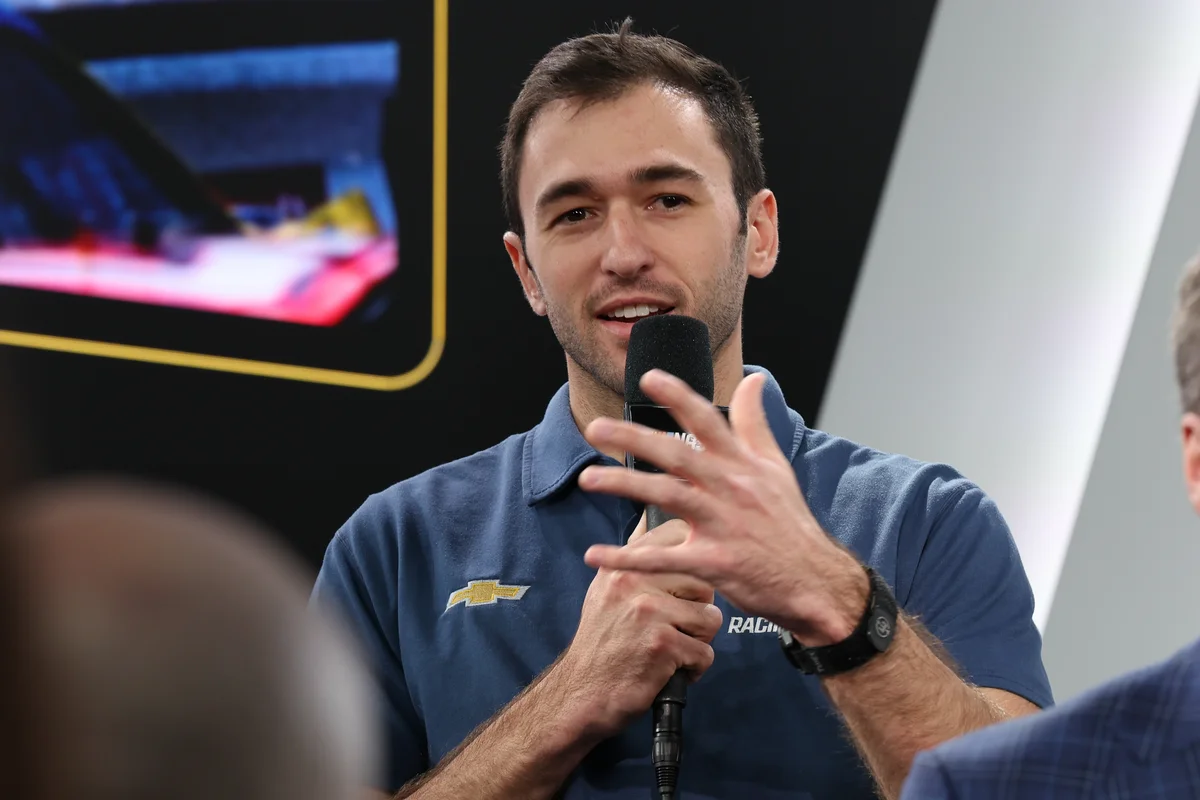
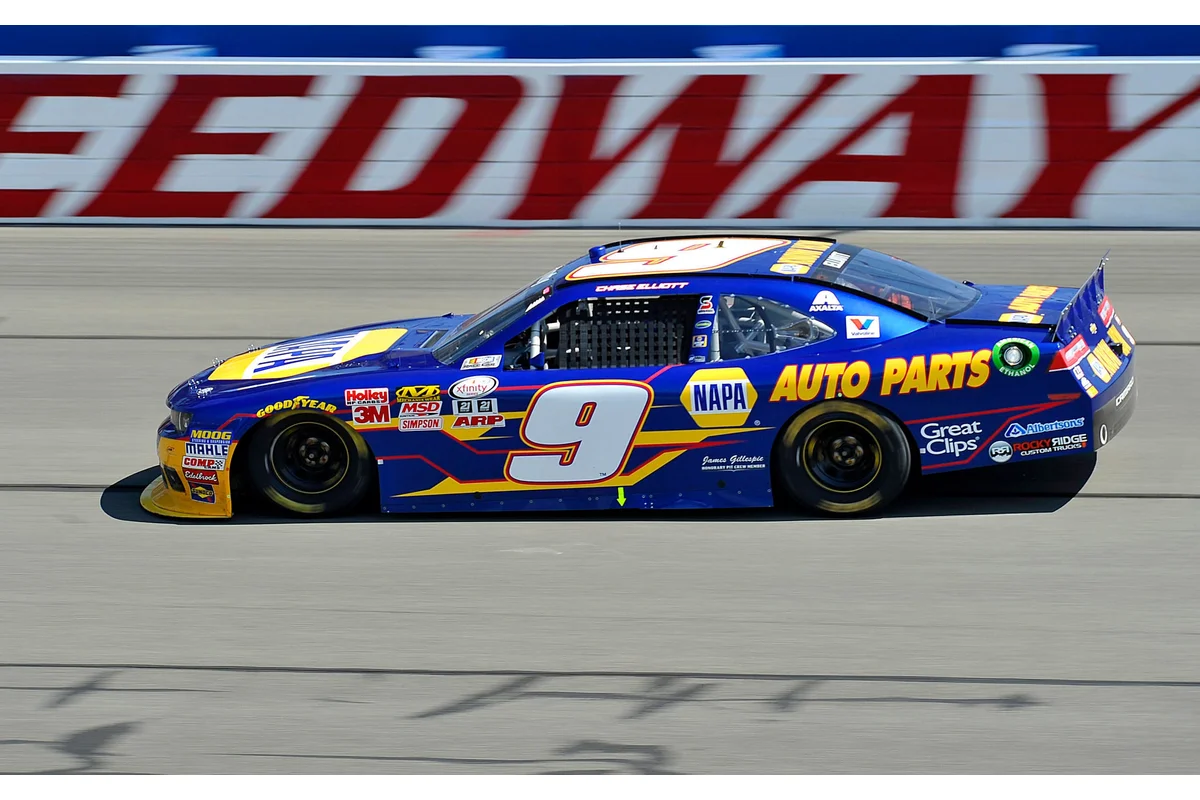
Chase Elliott, Cup Series, Chase Elliott on NASCAR Chase [Image Source: CLOUDFRONT]
Chase Elliott took center stage at the NASCAR Cup SeriesPlayoff Media Day in Charlotte, responding directly to the renewed criticism surrounding the return of the NASCAR Chase format. As fans, drivers, and officials debated the changes during the official press conference on January 13, 2026, Elliott urged everyone to appreciate the evolution of NASCAR, highlighting the unique aspects of the championship fight. The topic of “Chase Elliott on NASCAR Chase” connected both traditionalists and newcomers as the new system stirred complex, conflicting reactions among fans and insiders alike.
NASCAR’s Chase Format Makes Its Return Amid Tension
On January 13, 2026, NASCAR officially reinstated the Chase format for its Cup Series Championship, confirming rumors that had circulated for months. The announcement, delivered during a high-profile press event at the Charlotte Convention Center, featured Steve O’Donnell alongside current racing stars like Chase Elliott and Ryan Blaney, as well as former icons such as Dale Earnhardt Jr. According to the sanctioning body, the move responds to years of heated debate over how a champion should be crowned and seeks to balance tradition with modern demands.
Despite the positive reception from some corners, heated criticism quickly surfaced from dedicated fans who preferred a full-season points format, reminiscent of Formula 1. This approach, they argued, rewards consistency across the entire season rather than a concentrated burst of performance during playoffs. The chorus for change was so strong that the subject took over the press conference stage. Mark Martin described the scene when he addressed the crowd by stating,
Image of: Chase Elliott
“The fans were yelling at me, we want full season points.”
—Mark Martin, former driver.
This viewpoint has persisted since NASCAR first experimented with elimination-style playoffs in 2014—an approach many purists blame for overshadowing steady, season-long performance with knockout drama. Nevertheless, leadership, including Jim France, remains committed to adapting the sport while confronting ongoing division.
Chase Elliott’s Direct Appeal for Patience and Perspective
Rather than joining the growing criticism, Chase Elliott, one of NASCAR’s most popular drivers, addressed the controversy directly. He encouraged fans to shift their focus from frustration to appreciation for the ongoing evolution of the sport. At the Playoff Media Day, Elliott delivered a message that resonated beyond the press room with his blunt reminder about unity and historical perspective. He stated,
“Let’s enjoy what we got. We’re so quick to complain about everything, you know, everything that we have and everything that we do. Let’s enjoy what we have because we’re making history, whether you like it or not. Celebrate the champion. Celebrate the guys who went out there and did a good job. I think this format promotes that.”
—Chase Elliott, driver.
Elliott’s words reflected the complex emotions of the NASCAR community—balancing nostalgia for tradition with recognition of the need for change. By urging fans to rally behind the drivers and the championship fight, he challenged both new and long-time followers to let the drama of the playoff unfold before casting judgment.
The Chase: What’s Different in 2026
The 2026 NASCAR Chase format is not a simple revival of the early-2000s version. Sixteen drivers now qualify for the postseason, but the champion is determined strictly by points amassed over the final 10 races, not single-race knockouts or winner-take-all showdowns. The elimination rounds and stage bonuses have been removed, symbolizing a significant departure from past formats.
Winning races is valuable, but no longer serves as an automatic playoff berth. Instead, each victory is now worth 55 points, a notable increase from the previous 40, reflecting NASCAR’s efforts to incentivize aggressive racing while erasing the “golden ticket” status of isolated wins. The focus, therefore, shifts to cumulative consistency and sustained performance throughout the Chase.
Additionally, playoff points are eliminated, meaning that bonuses for stage wins or race victories in the regular season no longer carry over into the postseason. Once the Chase begins, drivers start from scratch regarding bonus tallies, aiming to create a level playing field that rewards performance solely in the moments that matter most.
Clarifying the Chase Points Structure
As the Chase kicks off, the championship fight is reset, but regular-season results coordinate starting positions. The regular-season champion enters the Chase with 2100 points, followed by second place, who starts 25 points behind, with third at 2065 points. Every subsequent position falls in five-point increments.
Notably, the number of wins in the regular season offers no further advantage once the postseason is underway—drivers must perform consistently across the Chase, regardless of earlier triumphs. By flattening postseason advantages, the new format intensifies the focus on each race during the final stretch. This adjustment speaks directly to drivers’ concerns about fairness and fans’ demands for a credible path to the championship.
Balancing Tradition with Modern Appeal
The reimagined system aims to strike a middle ground between the full-season points system of NASCAR’s history and the high-intensity, elimination-style playoffs popularized over the last decade. For veteran fans, the return brings echoes of the careers of legends like Jimmie Johnson, Jeff Gordon, Tony Stewart, and Matt Kenseth, when sustained excellence was the path to the championship.
Meanwhile, for the sport’s newer audience, the format promises a distinct postseason arc, maintaining excitement, rising tension, and real stakes throughout the final 10 races. NASCAR officials acknowledge that the plan will not satisfy everyone, but they emphasize their intent to listen to audiences old and new, adjusting as the sport continues to change.
Elliott’s challenge—asking fans to “let it breathe”—is a call for patience in a period of transition. With so much history and emotion invested in NASCAR’s championship system, the next chapter relies on the willingness of both drivers and fans to adapt, watch the season play out, and celebrate those who rise to the challenge over time.
What Lies Ahead for NASCAR and Its Fans
The return of the Chase format marks a major moment for the NASCAR Cup Series, aiming to reconnect with disillusioned traditionalists while captivating the next generation raised on constant evolution in sports. Figures like Steve O’Donnell, Jim France, Ryan Blaney, and Dale Earnhardt Jr. have played pivotal roles, but Chase Elliott’s voice resonates as the pulse of the drivers and die-hard supporters alike.
As the season unfolds, NASCAR bets that this recalibrated approach will not only revive excitement among long-lost fans but also foster more organic rivalries and narratives across the 10-race Chase. The sport’s future now hinges on how fans, drivers, and the broader NASCAR community respond—in both support and criticism—to a system designed to celebrate competitive excellence, resilience, and the passion that defines American motorsport.