

Tony Stewart, known for challenging the status quo, has voiced concern about the evolving Tony Stewart NASCAR development path, arguing that the sport is distancing itself from its dirt racing origins. In recent remarks, Stewart questioned whether emerging drivers are now missing vital experience that once defined American stock car racing careers.
Stewart Points to Changes in Racing Pathways
During a recent interview, Stewart commented on the relationship between elite stock car competitions and grassroots dirt racing. He suggested that today’s typical path to NASCAR prominence rarely involves dirt racing, unlike the route he took at the start of his career.
Reflecting on past experiences, Stewart recalled resistance from his former team owner during his Cup Series days. He pointed out that Joe Gibbs, under whom Stewart raced for a decade, disapproved of drivers participating in events outside of NASCAR’s top division. As Stewart said,
“I think the hardest part about that is, you know, when I came back and ran here, Joe Gibbs hated it,”
Stewart explained, referencing his formative years with Gibbs.
“He did not want me running anything outside of the Cup car.”
– Tony Stewart, Former Cup Series Driver
Changing Attitudes in Team Management
Stewart acknowledged that perspectives within teams have changed in recent years. Using Ty Gibbs, Joe Gibbs’ grandson and a current NASCAR prospect, as an example, Stewart noted how Ty now participates in both sprint and midget car events, even making his debut at the prestigious Chili Bowl. This signaled, in Stewart’s opinion, a shift in team culture toward allowing multi-discipline racing by drivers.
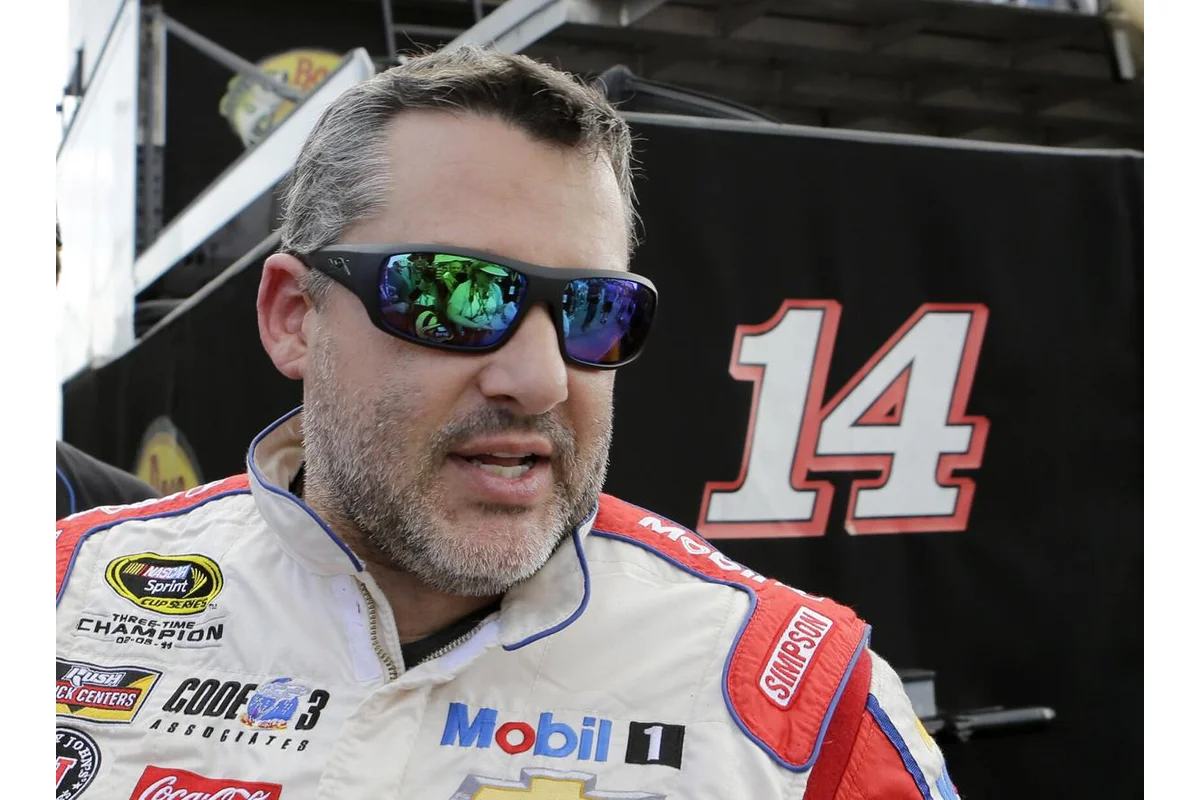
“That’s one thing from my history on the NASCAR side that I’m proud of is I feel like I took walls that were built and teams didn’t really want their drivers doing anything outside of the Cup stuff, NASCAR side at least,”
reflected Stewart, referencing his impact on the sport’s outlook. – Tony Stewart, Three-Time Cup Champion
Dirt Racing’s Diminishing Role in Driver Development
Despite the progress, Stewart identified a broader cultural shift across American motorsports, seeing dirt racing losing its traditional place in racing ladders. He contrasted current structured driver development with the past, where racers were active across multiple disciplines. Stewart observed that the process today for those aiming for IndyCar or NASCAR is carefully mapped, often sidelining dirt experience.
“I think in this era, it’s not like it used to be in the early days, where you had guys that participated in all disciplines,”
he explained.
“Guys that get to IndyCar, they’re very structured, disciplined on the path to get there, and what their goals are. Dirt racing does not fit into that path, unfortunately. I’m not sure it really does for NASCAR anymore, either.”
– Tony Stewart, Former Cup Series Driver
Stewart credited both himself and Ken Schrader for maintaining a connection between dirt racing and top-level stock car racing, helping to break down some of the historical barriers. He noted,
“We’ve had the pattern of (Ken) Schrader and myself, and guys that have come back and done it enough to at least break the barriers down so these guys can step into it.”
– Tony Stewart
The Broader Impact of Stewart’s Critique
Stewart’s candid reflections highlight a subtle yet telling critique of the current direction in NASCAR’s developmental policies. As teams continue to favor specialized, structured paths, the traditional experience drivers once earned on dirt tracks may become even scarcer. Stewart’s remarks arrive at a moment when the sport is evaluating its relationship with its own history, raising questions about how future stars will be shaped—and whether the sport may lose some of the diversity and depth that grassroots experience provides.
Tony Stewart believes there are several #IndyCar drivers who could succeed at the Chili Bowl, but praised Santino Ferrucci as "the only one that has the balls to do it, or the passion to do it, at least." 👀 https://t.co/pD0shiuNIK
— Motorsport (@Motorsport) January 13, 2026

