
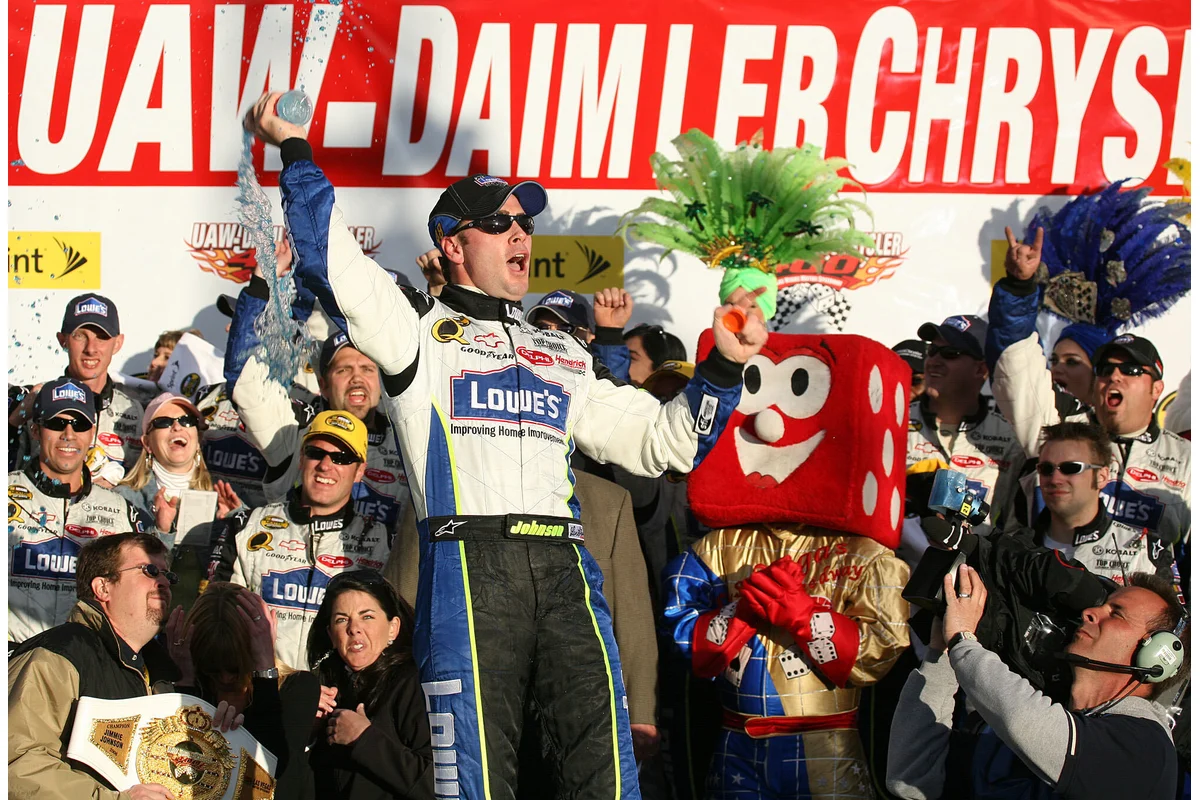
NASCAR’s competitive landscape has shifted significantly over the years, yet 2023 champion Ryan Blaney maintains that Jimmie Johnson Chase dominance could still emerge, even within today’s intense playoff conditions. As teams adapt to evolving formats and parity measures, the question of whether a single driver or organization can showcase sustained superiority continues to spark debate among fans and competitors alike.
The Changing Face of NASCAR Competition
The traditional full-season points system in NASCAR once allowed legends like Dale Earnhardt Sr., Richard Petty, Jeff Gordon, and their rivals to build lasting legacies, often outpacing the field with consistent excellence. The introduction of the original Chase for the Championship adapted some of this tradition, attempting to balance rewards for both wins and season-long performance. However, with the rise of the three-race elimination format and other parity-enforcing changes, such as reduced practice time and the ‘win, and you’re in’ mindset, the era of drivers routinely dominating has faded.
Despite those shifts, Ryan Blaney, after clinching the 2023 NASCAR championship, has not ruled out a resurgence of hero-style dominance reminiscent of the early Chase years. Though the competitive field is tighter than ever, he believes the possibility remains for a standout team to command the postseason, even under current constraints.
How Freedom and Preparation Defined Earlier Eras
In previous decades, teams had considerable flexibility in developing their cars and engines, leading to visible divides between organizations on the track. Top drivers could leverage this technological edge to consistently outperform their competitors. The original Chase format attempted to close these gaps, but still left room for outstanding teams to pull ahead through a combination of victories and reliability.
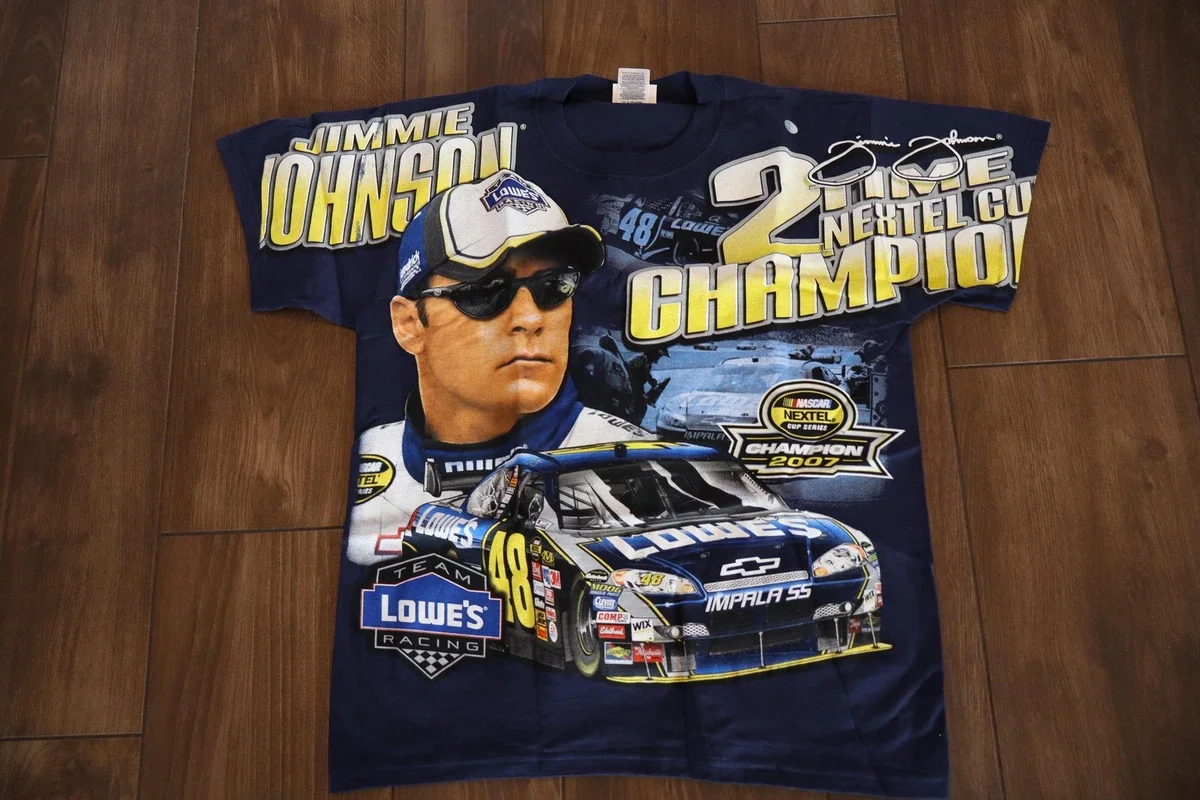
Jimmie Johnson capitalized on these circumstances, amassing a historic streak of titles by combining race wins with calculated consistency. According to Blaney, achieving a similar run is not out of the question within the modern Chase structure. While not certain that it will happen, he remains optimistic about its feasibility, stating,
“You could see it. You could see a team just go on a terror for these ten weeks, like Jimmie was able to do… It’s amazing what they can do at all these different types of tracks and not have any trouble in go to execute into their job for 10 weeks.”
— Ryan Blaney, NASCAR Champion.
Challenges of Achieving Modern-Day Dominance
Blaney has acknowledged just how much harder it is to break away from the pack in today’s NASCAR. The field has become more evenly matched, making it difficult for any driver or team to string together multiple dominating performances. Still, he does not entirely close the door on the potential for Chase dominance—if a team manages to stack up wins over eight or nine weeks in the playoffs and claim the title ahead of the finale, it would mark a new standard for superiority in this era.
The Next Gen car, introduced for greater parity, has intensified this challenge. Its standardized design means advantages are incredibly difficult to maintain. Even so, NASCAR continues to experiment with rule tweaks and degrees of creative freedom, suggesting that teams able to find a competitive edge through meticulous preparation and execution could still flourish under the right circumstances.
Jimmie Johnson’s Five-Titles Streak as a Benchmark
Johnson’s record during the 2004–2013 Chase era stands as the ultimate proof of what is possible. He and Hendrick Motorsports captured five consecutive Premier Series championships, showing that a team blending speed, strategic planning, and focus can bend even a high-stakes system to its advantage. For those ten seasons, Johnson and his squad approached the Chase as a separate challenge—preparing cars and strategies months ahead to suit the unique demands of the playoffs’ final ten races.
During that time, Johnson accumulated 60 of his 83 career wins, while Hendrick Motorsports collected 24 of their 32 Chase-era victories. Notably, even in seasons without overall dominance, Johnson’s long-game approach allowed him to recover from deficits and capture titles. However, these feats occurred with a smaller playoff field, where individual mistakes did not carry the same immediate risks as today.
Obstacles and Uncertainties in Today’s Playoff Landscape
Modern Chase rules have introduced new complexities. The expansion to a 16-driver playoff field, coupled with aggressive stage racing and point resets, means that crashes or poor finishes can derail a championship run in a matter of weeks. Although race wins now earn 55 points instead of 40, which incentivizes risk and aggression, the window for error has narrowed. The ultimate test of the new format’s potential for Jimmie Johnson Chase dominance will only become clear after teams hit the track.
Amid these variables, the possibility remains that a team could assert extraordinary control, reminiscent of Johnson’s accomplishments. As NASCAR, drivers like Blaney, and organizations such as Hendrick Motorsports weigh the evolving balance between parity and innovation, their efforts keep alive the hope—if not the certainty—that history can repeat itself and repeat championship dominance is still possible in today’s unpredictable world of stock car racing.
.@Blaney says respect was lost under the Playoffs era and hopes The Chase brings legitimacy back to racing. #NASCAR pic.twitter.com/PTIjhgm2nN
— Peter Stratta (@peterstratta) January 12, 2026

