

Kyle Larson’s record in the NASCAR Cup Series since moving to Hendrick Motorsports in 2021 has redefined expectations for consistency, and his driving style, once criticized for unpredictability, has proven effective in delivering championships. As NASCAR’s playoff format shifts to place even greater emphasis on steady performance, the focus keyword—Kyle Larson NASCAR consistency—is more relevant than ever in evaluating his achievements and what lies ahead.
Larson’s Historic Run with Hendrick Motorsports
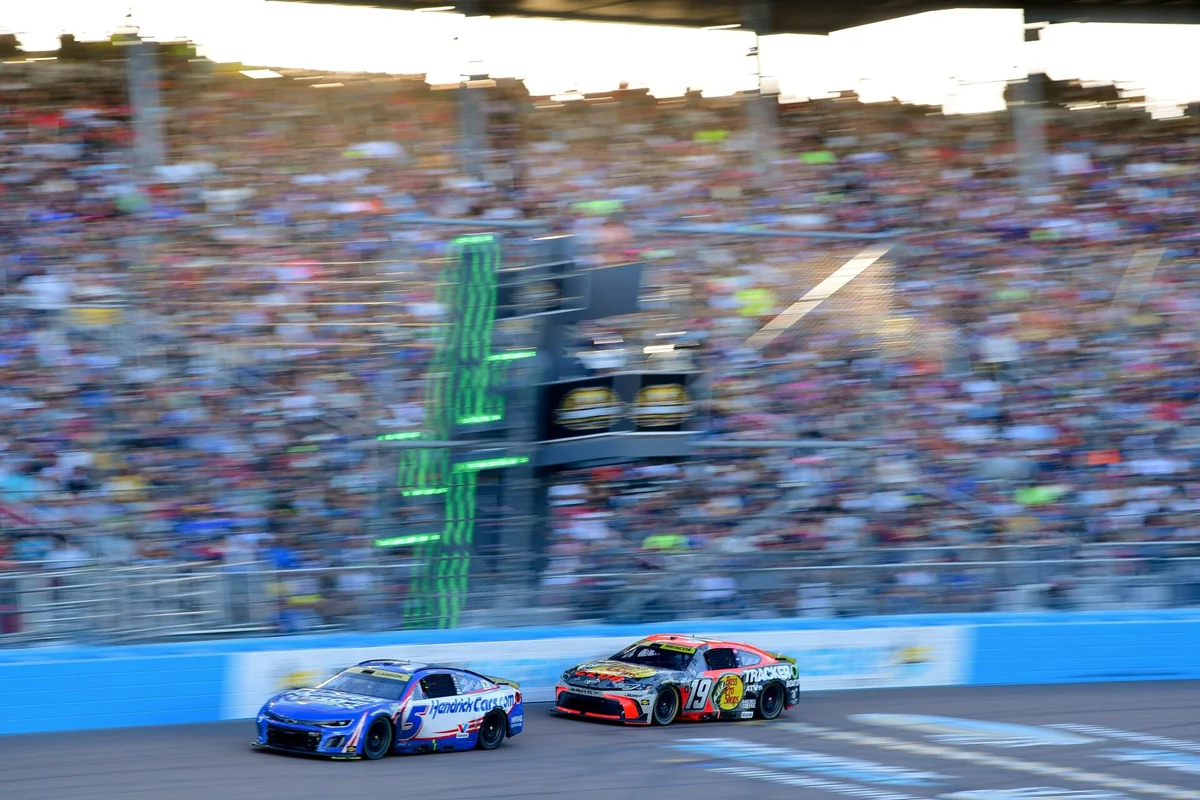
Upon stepping in as Jimmie Johnson’s successor, Kyle Larson quickly positioned himself among NASCAR’s elite. As the pilot of the No. 5 Chevrolet, no competitor in the past five seasons has matched his level of success. Larson is the only driver to win at least three races per year during this period, attaining ten victories in 2021 alone—the most since 2007. Between 2021 and 2025, he notched 26 wins, leading all drivers in total victories throughout this span. Alongside multiple wins, his resume includes three appearances in the Championship 4, two overall championships, and deep playoff runs where he has advanced at least to the semifinals each season.
Debate over Aggression Versus Consistency
Despite his winning tally, critics have pointed to Larson’s aggressive approach behind the wheel. Observers cite moments like his crash into sand barrels at the end of pit road during the 2023 race at Homestead-Miami Speedway as examples of lingering recklessness from his earlier years with Chip Ganassi Racing. The prevailing argument holds that Larson sometimes gambles more than competitors at his level should. However, while incidents do occur, the broader characterization of Larson as a “checkers or wreckers” driver does not hold up under scrutiny. His continuous presence in championship contention demonstrates a skill set that transcends fleeting moments of high-risk driving.
Winning Without Wins: The 2025 Championship
Larson’s run to the 2025 NASCAR Cup Series title illustrated the power of consistency even when outright wins eluded him for months. After his last win in May, he remained winless through the final 24 events of the season, while every other Championship 4 contender captured a victory in the Round of 8. Questions surrounded the merit of obtaining a championship this way, with some regarding it as among the least impressive paths to the title. Nevertheless, a detailed review showed that under any full-season points format, Larson’s performance—marked by steady results—would still have secured the top spot in the standings.
NASCAR’s Rule Changes and the Emphasis on Steady Performance
The recently announced overhaul of NASCAR’s championship structure, effective for the 2026 season, further spotlights the importance of consistency. The league is moving away from the “win and in” elimination-style playoffs that shaped the years from 2014 through 2025, and instead, points earned for regular, solid finishes will dictate championship battles. This shift prompted immediate debate among fans about which drivers would have benefited if these rules had governed earlier championships, but in Larson’s case, his edge remains clear—he would have been champion even with the new system in place for 2025.
Against the Backdrop of High Expectations
Larson’s performances are evaluated with unusual intensity, in part due to extraordinary claims from his fans, who elevate him as a “generational talent” or compare him to legends like Mario Andretti, A.J. Foyt, and Tony Stewart. This level of hype, echoing the kind of fervor seen in the NFL with players like Patrick Mahomes, has also attracted criticism and occasional frustration, particularly when Larson experiences setbacks on track. The high standard to which he is held means mistakes are magnified more than for most competitors, reinforcing debates about his consistency and skill.
What Consistency Really Means in NASCAR
While drivers in open-wheel series such as IndyCar or Formula 1 may rely on frequent podiums for championship runs, the NASCAR points structure rewards drivers able to finish well across the entire season, even if they do not win every week. In 2025, Larson experienced ten finishes of 20th or lower but incurred fewer DNFs than almost all other top drivers. His consistent points accumulation over the season—despite occasional dips—illustrates how winning championships in NASCAR is about rising above variance rather than simply dominating week after week.
Anticipation Builds for a New Era
As the field of thirty-six drivers prepares for the 2026 campaign under a new format where steadiness may be a greater asset than ever, the battle for supremacy is expected to shift. Fans, teams, and analysts are watching to see if Kyle Larson can maintain his competitive edge. The new season begins February 15, with the 68th annual Daytona 500, scheduled to air live from Daytona International Speedway on Fox. The question now stands: In an environment where consistency is no longer merely an advantage but a necessity, which contender will rise to the top?

