
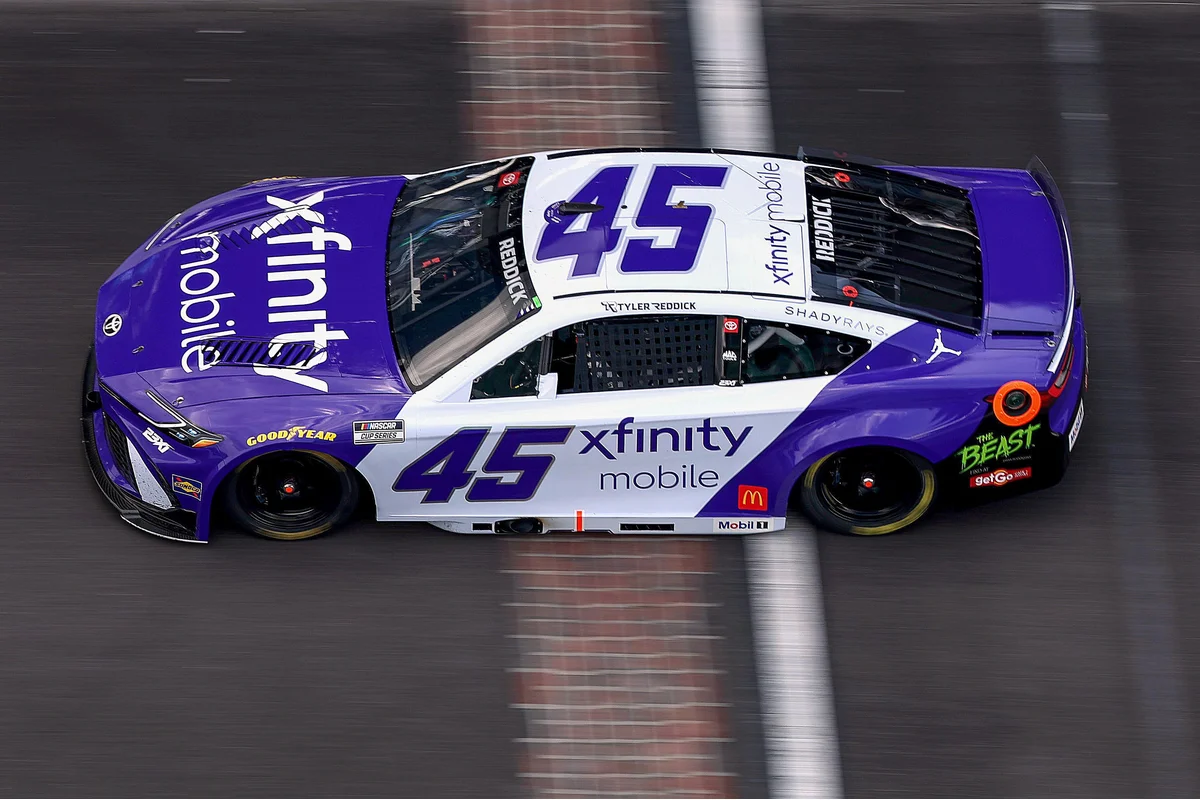
The NASCAR community is confronting new concerns over the Chase format as Tyler Reddick’s crew chief, Billy Scott, has publicly echoed doubts about the system’s emphasis on consistency versus outright wins. With the revised playoff model placing a premium on steady performance throughout the season, questions have intensified among drivers and teams about how the changes will impact championship hopes and the value of early-season races—bringing Tyler Reddick Chase format concerns to the forefront.
Shift in Playoff Dynamics Raises Tensions Among Drivers
The latest iteration of NASCAR’s Chase format has ignited fresh debate. Previously, the playoff structure was clear-cut: win a race and guarantee a postseason slot. Now, with modifications for the new season, qualification hinges exclusively on regular-season points, while a race win’s reward has climbed from 40 to 55 points. Despite this, a strong finish at a handful of events may not be enough; consistent high-level results across the entire year are required, as highlighted by Billy Scott, the No. 45 team’s crew chief.
Scott has openly expressed his reservations about the system’s demands.
“So now I think it does put a little more emphasis on running well every week,”
Scott emphasized.
“But again, I think putting the extra emphasis, the extra points established with winning, does still make it significantly more important than anything else you’re going to accomplish on the day.”
— Billy Scott, Crew Chief
The revised playoff rules allow the top 16 drivers in the standings after the 26-race regular season to advance. Differing from the past, there are no eliminations during the 10-race Chase; the playoff group remains unchanged until the season ends. This refocuses the path to the title, rewarding not just victories, but a long-term, consistent effort on the track—an aspect Dale Earnhardt Jr. and other racing veterans have repeatedly raised concerns about in recent months.
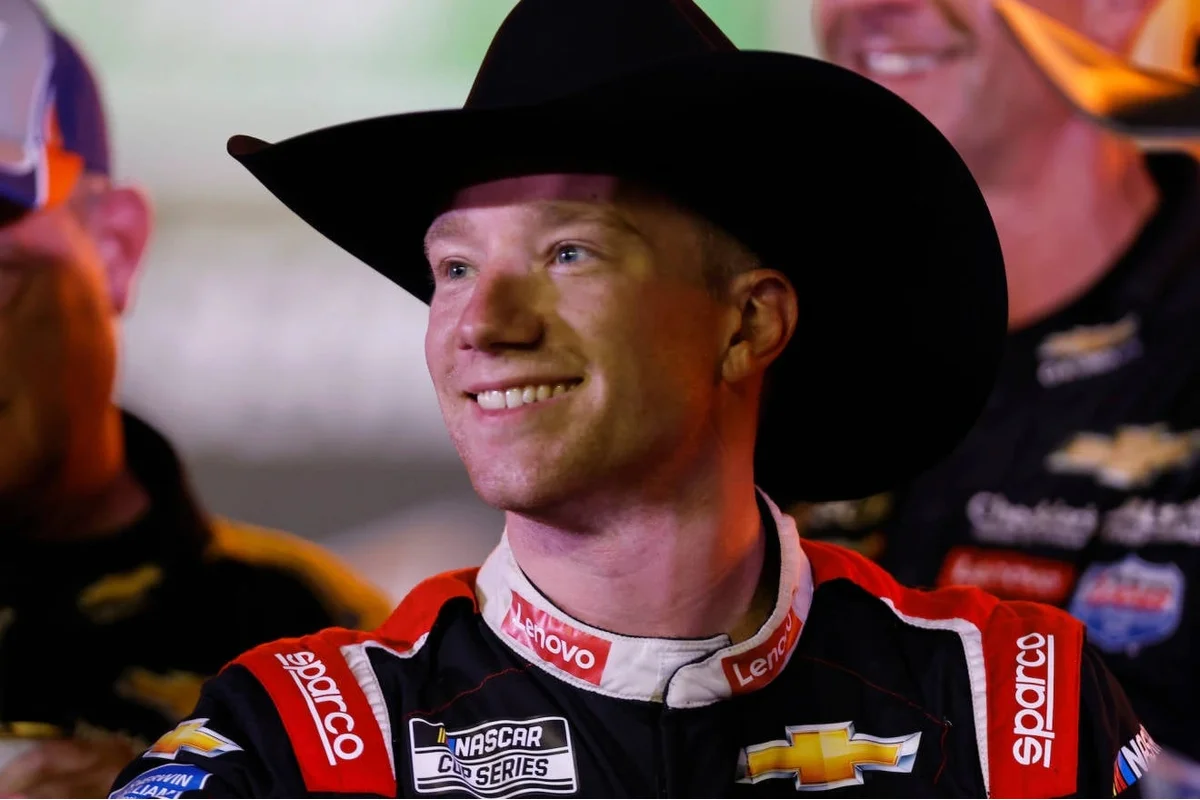
Dale Earnhardt Jr. and Veteran Voices Weigh In
Dale Earnhardt Jr., a respected voice in stock car racing, has commented that the retooled format might penalize those who struggle early in the season—even if they improve later. Using recent trends as evidence, he points to how a slow start can now jeopardize a driver’s entire playoff campaign.
“How you perform at Daytona, how you perform at Atlanta, how your season begins is going to really sort of give you an idea of whether you’re championship worthy,”
Earnhardt Jr. observed.
“Because with the old system and this system that we’re bringing back, if you start off in a hole four weeks in a row… You get yourself in a hole.”
— Dale Earnhardt Jr., Veteran NASCAR Driver
Earnhardt Jr. remains supportive of NASCAR’s direction but acknowledges fan frustrations, particularly among those nostalgic for the traditional points system. He recognizes the updated Chase as a middle ground, though uncertainty lingers over its long-term effects. Recent slumps—like the one 2025 champion Kyle Larson faced—further illustrate how damaging early missteps can be under the new playoff approach, possibly costing even top drivers a shot at the title.
The Nuances and Pitfalls of the 2026 Chase Format
The size of the Chase field has emerged as another contentious point. With 16 drivers qualifying for the postseason, critics argue the championship run could be more significant if the group were smaller. However, reducing playoff spots would likely encounter resistance from charter teams and sponsors, who value having a broad chance to compete for the title. Comparatively, the O’Reilly Auto Parts Series admits 12, and the truck series, only 10.
Stage racing also continues to spark debate. While stage points add drama and incentive during the early phases of a race—sometimes allowing drivers finishing further back to nearly match the score of those out front—they also risk distorting the season’s balance. As much as 20 points can be earned per race from stage finishes, which has led some critics to worry about fairness and consistency being properly rewarded.
Emphasis on Consistency Versus the Role of Wins
With the Chase’s return, NASCAR leadership has sought to balance dramatic wins and season-long performance. The new framework underscores steady success across all events rather than letting a single, climactic victory at season’s end overshadow a year of competitive effort.
“I think it does put a little more emphasis on running good every week.”
— Billy Scott, Crew Chief
This philosophy, while intending to showcase true skill and reliability, places added pressure on every race. Missing out on strong results in the early weeks—at tracks like Daytona or Atlanta—can effectively dash a driver’s title aspirations before the postseason even arrives, a scenario that has not gone unnoticed by the racing community or veteran observers.
Community Reaction and What Lies Ahead for NASCAR
As the NASCAR community adapts, both competitors and fans are watching closely to see how the 2026 Chase format influences the sport’s competitive landscape. While the system hopes to reward excellence over the full calendar and keep fans engaged for every event, it also raises hard questions about fairness and the role of momentum—especially with high-profile voices like Billy Scott and Dale Earnhardt Jr. voicing Tyler Reddick Chase format concerns.
Should the changes lead to more dramatic and representative championship runs, the system could become a fixture for years to come. However, early stumbles—or unforeseen imbalances through stage points and playoff field sizes—may prompt further calls for revision. For now, the spotlight remains firmly on the drivers, teams, and leaders adapting to a chase for the title that demands their best from the drop of the green flag to the waving of the checkered—and on those raising the concerns that may shape NASCAR’s next moves.
🏎️ "I think it does put a little more emphasis on running good every week."
Crew Chief Billy Scott discusses the return of The Chase, and what difference fans may see over the course of the race.
More 👉 https://t.co/WGRTG5gnEd pic.twitter.com/jzNDtivONL
— SiriusXM NASCAR Radio (Ch. 90) (@SiriusXMNASCAR) January 16, 2026

