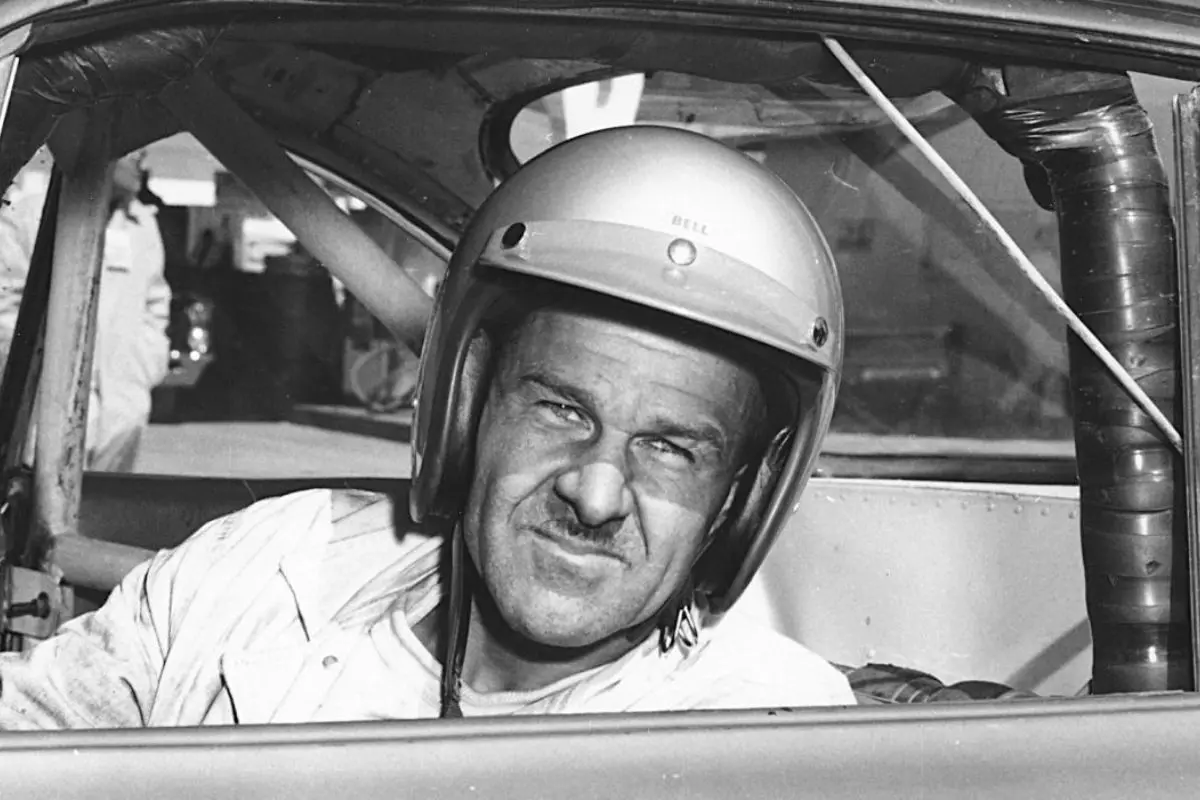
Who Was the First Black Driver to Conquer NASCAR: Wendell Scott was the pioneering African-American driver who shattered racial barriers in NASCAR. Beginning his career in the heavily segregated 1950s, Scott’s perseverance led him to make history with a groundbreaking victory in 1963 at Speedway Park in Jacksonville, Florida. Facing immense racial prejudice, Scott’s success was initially overshadowed by institutional bias, delaying official recognition.
Key Highlights
- Wendell Scott was the first African-American driver in NASCAR, breaking racial barriers in the 1950s.
- Scott achieved a historic victory at Speedway Park, Jacksonville, in 1963.
- He faced racial prejudice, including race entry denials and sponsorship disparities.
- Initial victory announcements mistakenly credited Buck Baker, highlighting systemic biases.
- Scott’s legacy paved the way for future Black drivers in NASCAR.
Wendell Scott: A Trailblazer in NASCAR
In the annals of NASCAR, few figures embody the intersection of skill and resilience as distinctly as Wendell Scott. As the initial African-American driver to break through the racial barriers of the mainly white racing circuit, Scott’s career is a compelling narrative of perseverance against formidable odds. Born in a time of racial segregation, Scott’s path was not merely about racing; it was a bold declaration against the societal norms that sought to confine him.
Scott’s ascent in NASCAR was marked by a combination of sheer talent and steadfast resolve. Despite the financial constraints and lack of resources that defined much of his career, Scott made an indelible impact on the sport. Over 495 starts, he secured 20 top-5 finishes, an impressive feat given the era’s challenges. His ability to compete at such a high level without the advantages afforded to his contemporaries highlights his exceptional driving skill and tactical expertise.
His induction into the NASCAR Hall of Fame in 2015 serves as a recognition of his enduring legacy. Scott’s career is a reflection not only of his own abilities but also of the broader potential for inclusivity within the sport. Through his tenacity, Scott laid the groundwork for future generations of drivers, serving as a guiding light of possibility and change.
The significance of Wendell Scott’s contributions extends beyond the racetrack, symbolizing a crucial shift in NASCAR’s cultural landscape. His legacy continues to inspire, reminding us of the power of courage and conviction in the face of adversity.
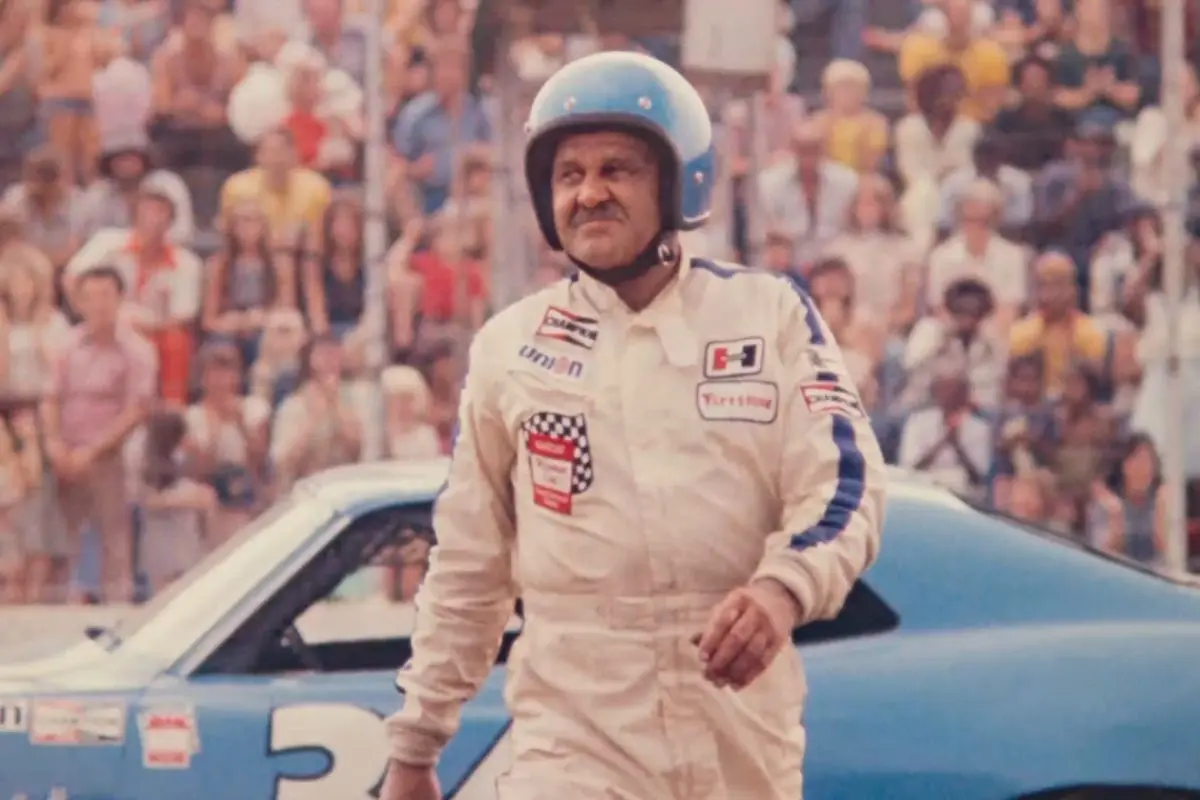
Wendell Scott’s 1963 Victory
Wendell Scott’s groundbreaking career reached a pinnacle moment in 1963 at Speedway Park in Jacksonville, Florida, an event that would etch his name into NASCAR history. Driving a pale blue 1962 Chevrolet, Scott exhibited an exceptional command over his vehicle, a skill that set him apart from his competitors on that fateful day.
The race unfolded with Scott deftly maneuvering the track, keeping pace with racing legends, such as the esteemed Richard Petty, who led the pack with his characteristic dominance.
However, with only 25 laps remaining, Petty’s vehicle sustained damage, a crucial moment that allowed Scott to seize the lead. The crowd witnessed Scott’s steady resolve and precision as he propelled his Chevrolet forward, inching closer to what would be a historic victory.
View this post on Instagram
Scott’s focus never wavered, and his ability to maintain control under stress was a reflection of his skill and unyielding resolve.
Crossing the checkered flag, Scott’s win was not merely a personal achievement but a monumental breakthrough for African Americans in a sport that had long been resistant to change.
Scott’s performance in Jacksonville was not only a demonstration of his driving skills but also a notable step toward breaking racial barriers, reflecting his enduring legacy as a pioneer in the sport.
“Well I had a lot of thrills. It looked like it would have been when I won the race in Jacksonville, Florida in ’63. But for a while it wasnt a thrill because it was two or three hours later before I was declared the winner.” – Wendell Scott
The Delay in Declaring the Victory
Why did it take so long for Wendell Scott‘s historic victory to be acknowledged at the 1963 Jacksonville race? The delay in declaring Scott as the winner was not merely an oversight but rather an intricate reflection of the socio-political climate of the time. Despite Scott’s indisputable performance on the track, it took NASCAR officials three painstaking hours to declare his victory. This protracted delay was fueled by multiple factors that transcended the sport itself and explored the racial dynamics prevalent in society.
- Uncertainty of Reaction: The primary concern among NASCAR officials was the potential backlash from the mainly white audience. In an era where racial tensions simmered beneath the surface of many public events, the possibility of unrest or negative reactions from the crowd loomed large.
- Institutional Bias: NASCAR, like many institutions of the time, was not immune to the biases that pervaded society. The hesitance to promptly announce Scott’s victory can be seen as a manifestation of the ingrained racial prejudices that influenced decision-making processes.
- Verification Process: Officials were tasked with ensuring the accuracy of the results, which, albeit standard practice, was certainly influenced by the racial context. This extended verification process inadvertently cast a shadow over Scott’s rightful achievement.
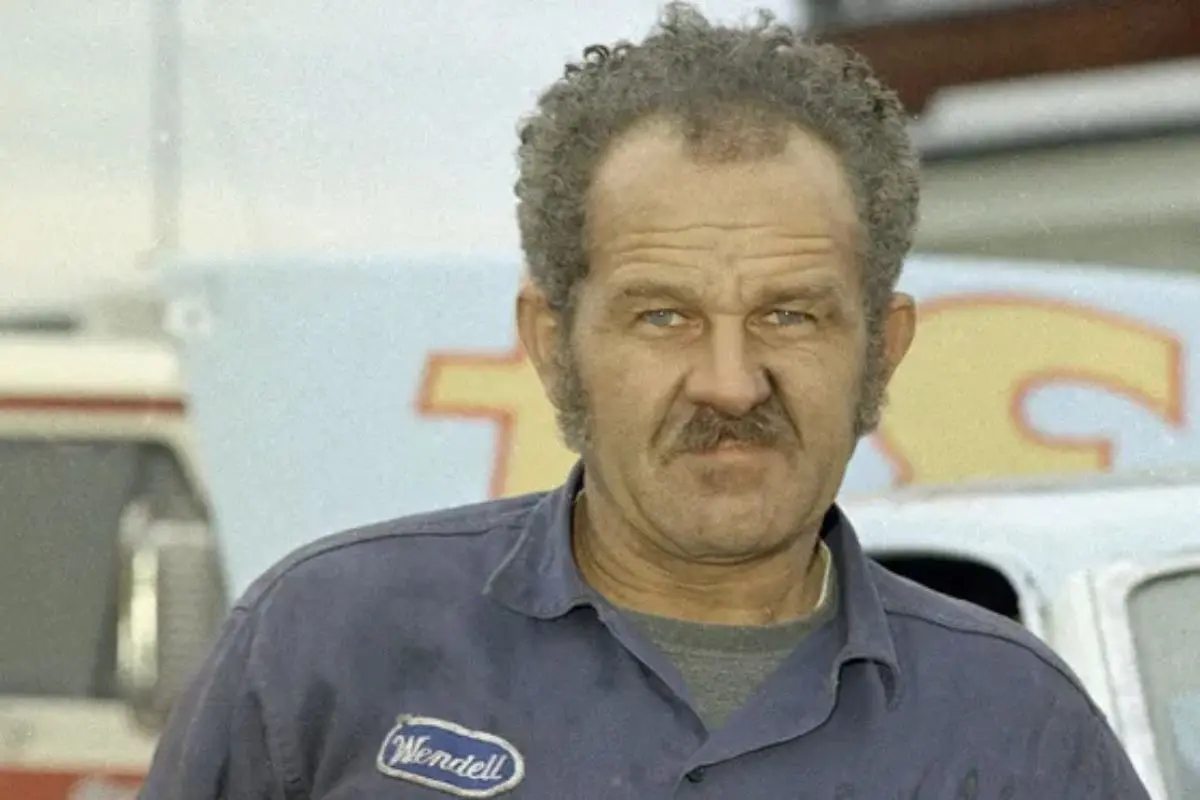
The Confusion Over the Official Results
Amidst the socio-political complexities surrounding Wendell Scott’s delayed victory declaration, the confusion over the official results added another layer to the story of his groundbreaking achievement. On that fateful December day in 1963 at Jacksonville Speedway Park, it was not just the clock that was being watched but also the unfolding drama of a potentially historic win.
The initial announcement of Buck Baker as the victor, despite Scott having lapped him, left many scratching their heads. The error was not only a perplexing oversight but also a blatant reminder of the systemic biases that clouded the sporting arena at the time.
Wendell Scott’s account of the race suggests a mastery of both the track and the situation. He had tactically navigated past Baker three times and only stopped for a brief pit stop, which did not cost him the lead. His meticulous recollection of the race dynamics demonstrates a driver keenly aware of his position and performance, which makes the erroneous announcement of Baker as the winner even more baffling.
“Yeah, Jack Smith second and I was third. I had passed Buck Baker three times. I only made pit stop for gas and I didn’t lose a lap and I knew I had won.” – Wendell Scott
Scott’s assertion, “I knew I had won,” speaks volumes about the clarity with which he understood his achievement, despite the murky official proceedings.
The incident raises critical questions about the mechanisms of race adjudication and the integrity of the results. It is a poignant narrative of resilience, highlighting how Scott navigated the complexities of a system that seemed, at times, to conspire against his rightful place in history.
Racial Prejudice and Wendell Scott’s NASCAR Career
Within NASCAR, racial prejudice cast a long shadow over Wendell Scott’s career, shaping both his challenges and victories. As the initial Black driver to navigate the mainly white tracks of NASCAR in the 1960s, Scott faced numerous barriers that tested his resolve. Despite possessing undeniable talent and mechanical insight, he was often met with hostility, both from competitors and the crowd.
- Discriminatory Practices: Scott faced systemic challenges, such as being denied entry to certain races based on his race and receiving considerably less sponsorship than his white counterparts. His victories were often overshadowed by the reluctance of officials to acknowledge his achievements promptly.
- Technical and Financial Hurdles: Unlike other drivers, Scott had to maintain his own car, with limited resources. This lack of support considerably impacted his ability to compete on an even playing field, yet his technical skill enabled him to modify his vehicle for peak performance.
- Crowd Hostility and Safety Concerns: Racial tension was palpable at many races, with Scott frequently encountering hostile crowds. Furthermore, he often faced safety concerns on the track, as some drivers were not averse to aggressive tactics that could endanger his life.
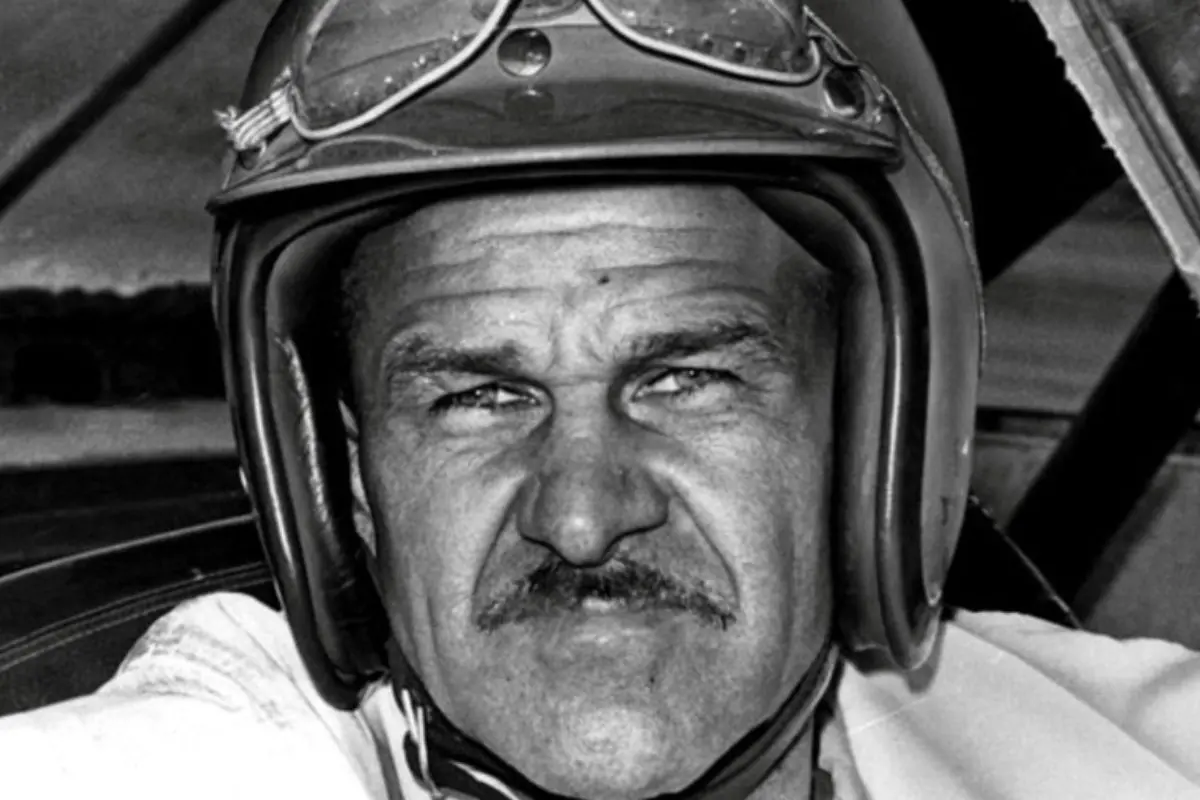
News in Brief: Who Was the First Black Driver to Conquer NASCAR
Wendell Scott’s remarkable expedition in NASCAR exemplifies resilience and resolve, overcoming substantial racial barriers to secure his place in history. His 1963 victory, initially delayed in recognition, highlighted the systemic racial prejudice prevalent in the sport.
Despite facing numerous obstacles, Scott’s perseverance paved the way for future generations of Black drivers. His legacy continues to inspire and serves as a catalyst for ongoing efforts to foster diversity and inclusion within the motorsport industry, challenging and transforming its cultural landscape.
ALSO READ: Top Rookie Drivers to Watch in the 2025 NASCAR Cup Series—Who Will Make Waves?