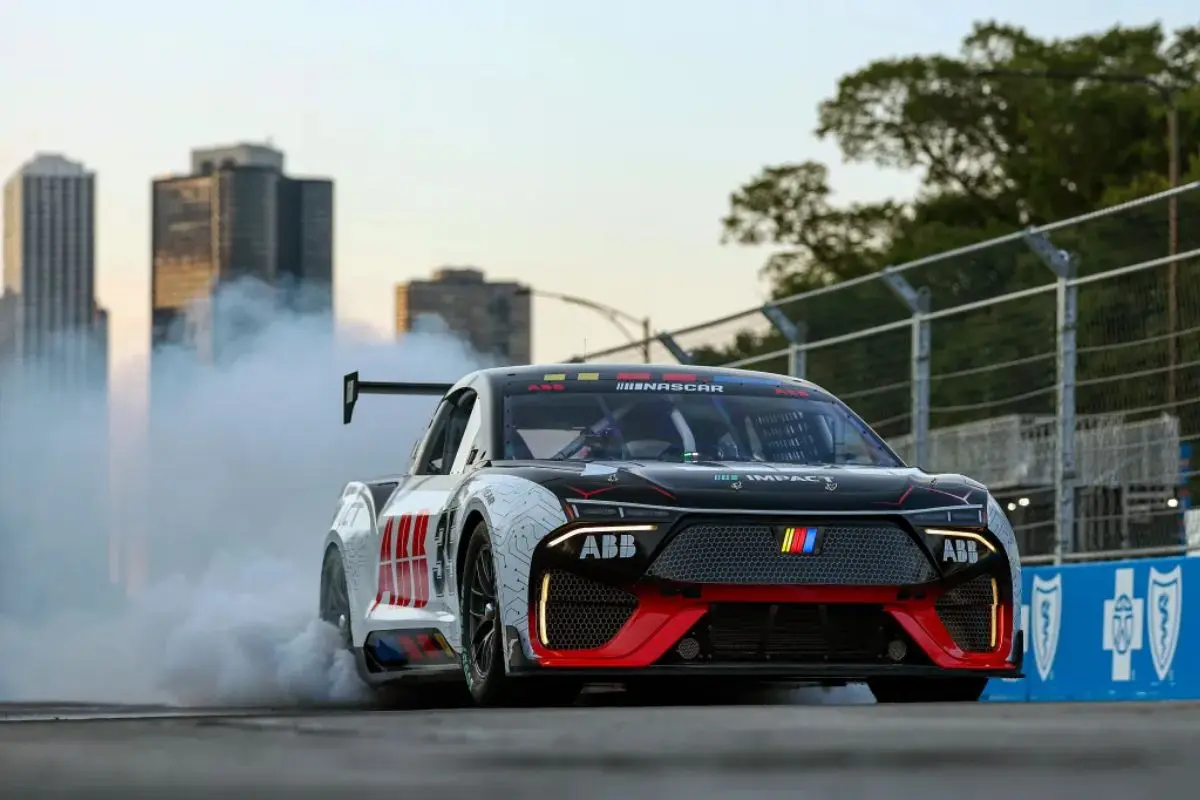
NASCAR’s Electric Car Faces Massive Backlash: The introduction of a NASCAR electric vehicle (EV) prototype, a collaboration with toyota/”>Toyota, chevrolet/”>Chevrolet, and ford/”>Ford, has faced strong criticism from fans. Concerns center on the loss of NASCAR’s iconic engine roar, a defining element of the sport’s auditory experience. While the move towards EVs aligns with sustainability and technological innovation, it challenges fans’ emotional and cultural connection with the sport. Balancing tradition with progressive changes is essential as NASCAR navigates this change. The potential for alienating the core fanbase and its impact on brand identity highlights the complexity of integrating EVs into racing.
Key Highlights
- Fans fear electric vehicles will eliminate the distinctive engine sound integral to NASCAR’s ambiance.
- The transition to EVs faces resistance from traditionalists valuing NASCAR’s historic auditory experience.
- Emotional connections to the sport are threatened by the shift from combustion engines to electric.
- NASCAR faces criticism for recent changes, including playoff formats and EV integration.
- There’s widespread skepticism about electric cars’ performance and impact on racing culture.
Rise of NASCAR’s Electric Vehicle Prototype
How did NASCAR’s electric vehicle prototype rise to prominence amidst skepticism? The revelation of the NASCAR ABB EV prototype at the Chicago Street Race Weekend marked a crucial moment in the sport’s evolution. Despite the fervent backlash from fans, characterized by vehement dissent on platforms like Reddit, the prototype’s significance cannot be overstated.
“Hell no.” – (fan reaction)
Developed collaboratively by NASCAR engineers alongside automotive giants Toyota, Chevrolet, and Ford, this vehicle represents a forward-thinking shift, driven by the inexorable depletion of non-renewable resources.
While the electric vehicle (EV) may seem contrary to traditional racing enthusiasts, accustomed to the visceral sound and smell of internal combustion engines, its development is anchored in a broader narrative of environmental consciousness and sustainability. The prototype’s emergence reflects an awareness of the need for innovation within auto racing, even as it clashes with long-standing cultural expectations.
At Hickory Motor Speedway, NASCAR’s exploratory venture into the EV segment, although lacking an immediate series deployment, emphasizes a tactical shift toward future viability.
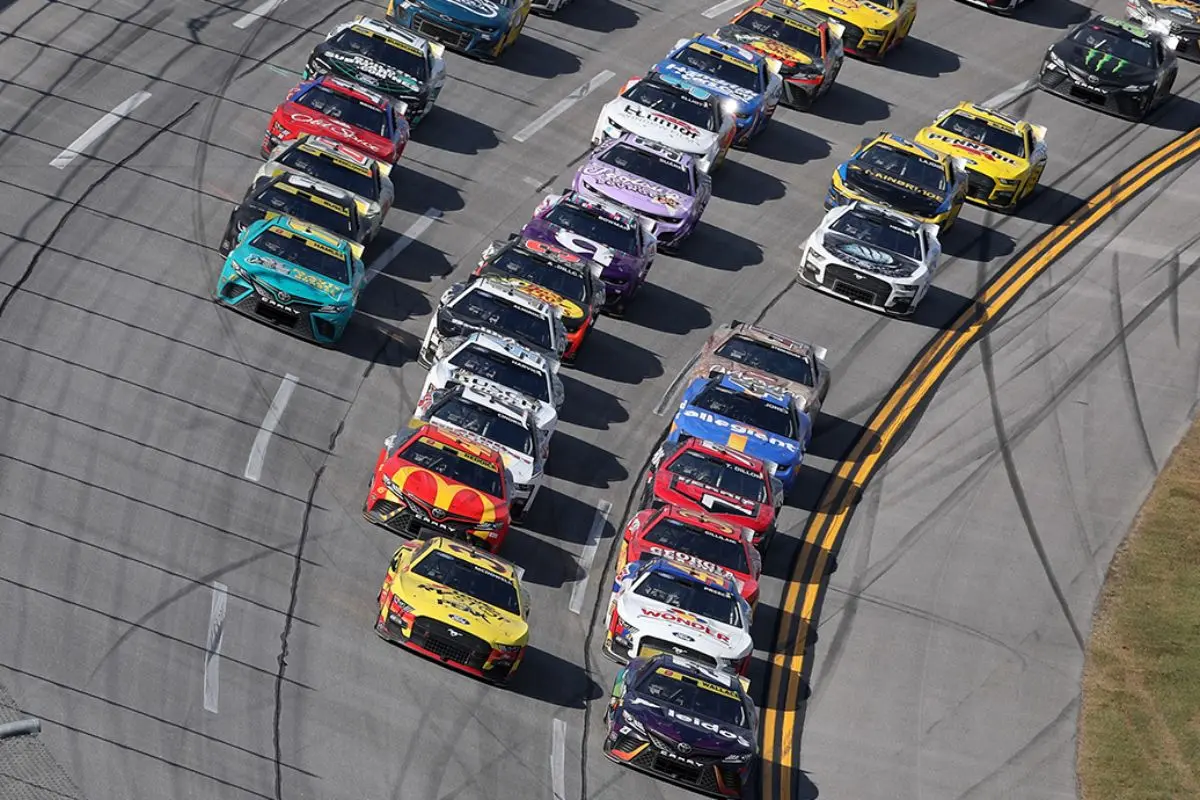
NASCAR’s Vision for Change
Embracing innovation, NASCAR envisions a revolutionary future that aligns with global environmental dynamics and technological advancements. According to John Probst, NASCAR’s senior vice president, the organization aims to be proactive in its approach to change, ensuring its relevance and leadership in the evolving automotive landscape.
Probst articulates a vision where NASCAR is not merely adapting but leading the way in integrating new technologies, including the exploration of diverse powertrain options.
The imperative for change is emphasized by the accelerated pace of technological and environmental shifts worldwide. NASCAR, renowned for its traditional combustion engine races, recognizes the necessity of evolving to maintain its competitive edge and relevance.
Probst stresses that this evolution involves experimenting with alternative power sources, such as sustainable fuels and hydrogen, indicating an openness to innovation while acknowledging the endurance of combustion engines in the foreseeable future.
“be it powered from sustainable fuel or hydrogen.” – (John Probst)
NASCAR’s vision is not just about aligning with environmental consciousness but also about maintaining synergy with Original Equipment Manufacturer (OEM) partners. Probst highlights the importance of collaboration with these partners, ensuring that NASCAR’s future direction is relevant and aligned with their interests.
“If you look out across the landscape, one thing that’s for certain is that change is accelerating all around us. From a NASCAR perspective, we want to be in the driver’s seat when it comes to where our future is going. We certainly don’t want to be in the passenger seat and then someday get to the future and go, ‘Oh, where do we need to be?’ It’s not fair to the collaboration that we have with our OEM partners if we go down a particular route that they’re not interested in or is honestly not relevant to them.” – (John Probst)
Technical Details and Design Leadership
Building on NASCAR’s forward-thinking vision for change, the technological innovation driving their electric car initiative is sophisticated and carefully crafted. At its core, the vehicle houses three STARD UHP 6-Phase motors: one upfront and two at the rear, collectively delivering power to all four custom Goodyear tires.
This intricate motor arrangement guarantees ideal traction and performance, vital for the demands of road courses and short oval tracks.
A 78-kWh liquid-cooled battery further highlights the car’s advanced engineering, supporting a powertrain capable of generating a remarkable 1,000 kilowatts at peak output. This substantial power, coupled with a regenerative braking system, emphasizes efficiency and performance, aligning with NASCAR’s sustainability goals.
The design leadership for this revolutionary car was spearheaded by CJ Tobin at NASCAR’s Research and Development Center, with tactical insights from Riley Nelson, NASCAR’s Head of Sustainability. Tobin’s specialized expertise and Nelson’s sustainability vision have merged seamlessly, producing a vehicle that reflects NASCAR’s commitment to innovation without compromising environmental considerations.
“That’s why the education piece is so important: I’m not a car engineer or a car designer, but CJ is. John is. So it’s important that they’re also thinking about the way that we’re thinking about sustainability and implementing that into their individual organizations and lines of business.” – (Nelson)
| Key Aspect | Details |
|---|---|
| Motors | 3 STARD UHP 6-Phase (1 front, 2 rear) |
| Tires | Custom Goodyear |
| Battery Capacity | 78-kWh liquid-cooled |
| Power Output | 1,000 kilowatts peak |
| Design Leadership | CJ Tobin with insights from Riley Nelson |
Fans’ Reactions to NASCAR’s EV Plans
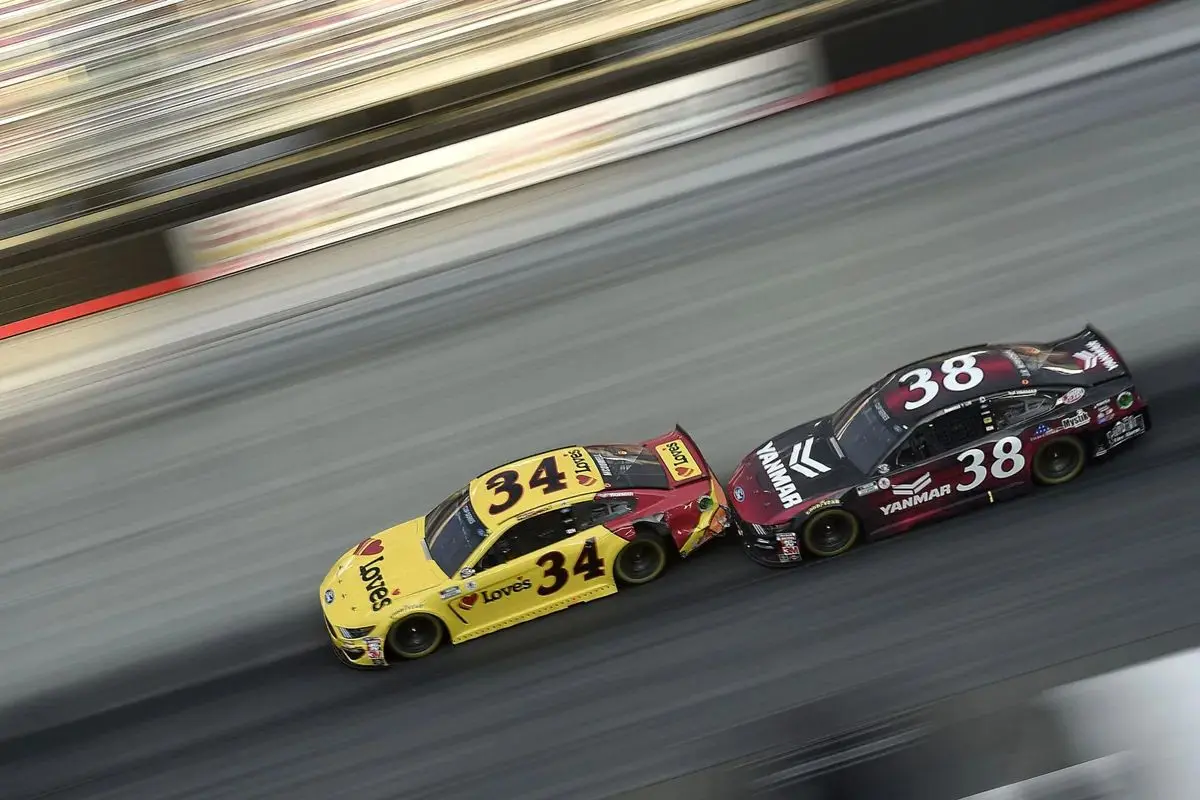
Fans of NASCAR are grappling with the organization’s shift towards electric vehicles, revealing a substantial divide in opinions. For many, the visceral experience of roaring engines, the smell of burning rubber, and the palpable tension of drivers pushing high-speed limits represent the essence of NASCAR. A change to electric vehicles prompts concerns over losing these sensory elements, which are seen as foundational to the sport’s identity.
Sound and Sensory Experience: A common sentiment is the fear of losing the auditory thrill of “raw American horsepower.” Fans argue that the unique soundscape of NASCAR is irreplaceable.
“90% of the experience is the sound of raw American horsepower, showcasing the dangers of drivers trying to tame these beasts at near 200mph while their lives are in peril.” – (fan reaction)
Without the rumble of engines, the ambiance shifts, potentially to one where the crowd’s conversations and Bluetooth music dominate—a pronounced contrast to the current thrilling atmosphere.
“No one will pay a ticket to sit there listening to other people have conversations, blast Bluetooth music like they’re at the beach, listen to PA as 38, 40 cars go around in a circle in silence.” – (fan reaction)
Performance and Practicality: Skepticism about electric cars’ ability to match the performance of traditional vehicles is evident. Concerns about battery charge times and range limit the perceived feasibility of electric cars sustaining the demanding nature of NASCAR races, which typically span 400 to 600 miles at speeds nearing 200 mph.
“It’s not just smell and sound. It’s charge time unless you can fully charge a battery in less than 20 seconds. I highly doubt an electric NASCAR can go 400 to 600 miles on a charge whilst also going 190 mph.” – (fan reaction)
Cultural and Emotional Connection: Beyond specifics, there is an emotional and cultural attachment to the existing format. The sport is seen as a celebration of engineering skill and driver bravery, elements that fans fear may be diluted with electric cars.
Future of Electric Racing in NASCAR
Guiding through the shift to electric racing, NASCAR faces a significant moment in its storied history, one that could redefine the sport’s future landscape. As the racing giant contemplates integrating electric vehicles (EVs), it stands at a crossroads that demands tactical foresight and sensitivity to its traditional fan base.
Recent tests by former Cup driver David Ragan revealed that electric prototypes could match the pace of contemporary Cup cars, suggesting that performance need not be sacrificed in this shift.
However, the question of integration remains unresolved. Fans propose a separate series for EVs, drawing parallels to the structure of Formula 1 and Formula E, which co-exist yet operate distinctly. This approach could preserve the integrity of traditional NASCAR series while allowing an electric division to cultivate its identity.
“I think a separate series is totally possible and also intriguing. No need to integrate it into the current series. Much like F1, F2, and so on exist separate to FE.” – (fan reaction)
Yet, concerns linger about the potential impact on drivers aspiring to climb the ranks. Introducing EVs into existing series like the Xfinity could complicate progression pathways, possibly disadvantaging those focused on conventional vehicles.
“This is NASCAR we’re talking about. So they’ll probably do something truly stupid like replace the Xfinity Series with an electric SUV series.” – (fan reaction)
Moreover, fan skepticism highlights broader discontent with NASCAR’s recent decisions, including playoff formats and race logistics, which complicates the acceptance of EVs. The challenge for NASCAR lies in leveraging electric racing to improve its appeal without alienating its core supporters.

News in Brief: NASCAR’s Electric Car Faces Massive Backlash
The introduction of NASCAR’s electric vehicle prototype signifies a crucial shift in the sport’s technological and environmental path. While the change aims to align with broader sustainability goals, it encounters considerable resistance due to concerns about losing the traditional auditory experience that defines NASCAR.
This tension highlights the challenge of balancing innovation with heritage. The future of electric racing in NASCAR will depend on reconciling these divergent perspectives to guarantee the sport’s evolution while preserving its cultural essence.
ALSO READ: NASCAR Veteran Praises Danica Patrick for Bold Political Stance in Trump’s Victory Speech