
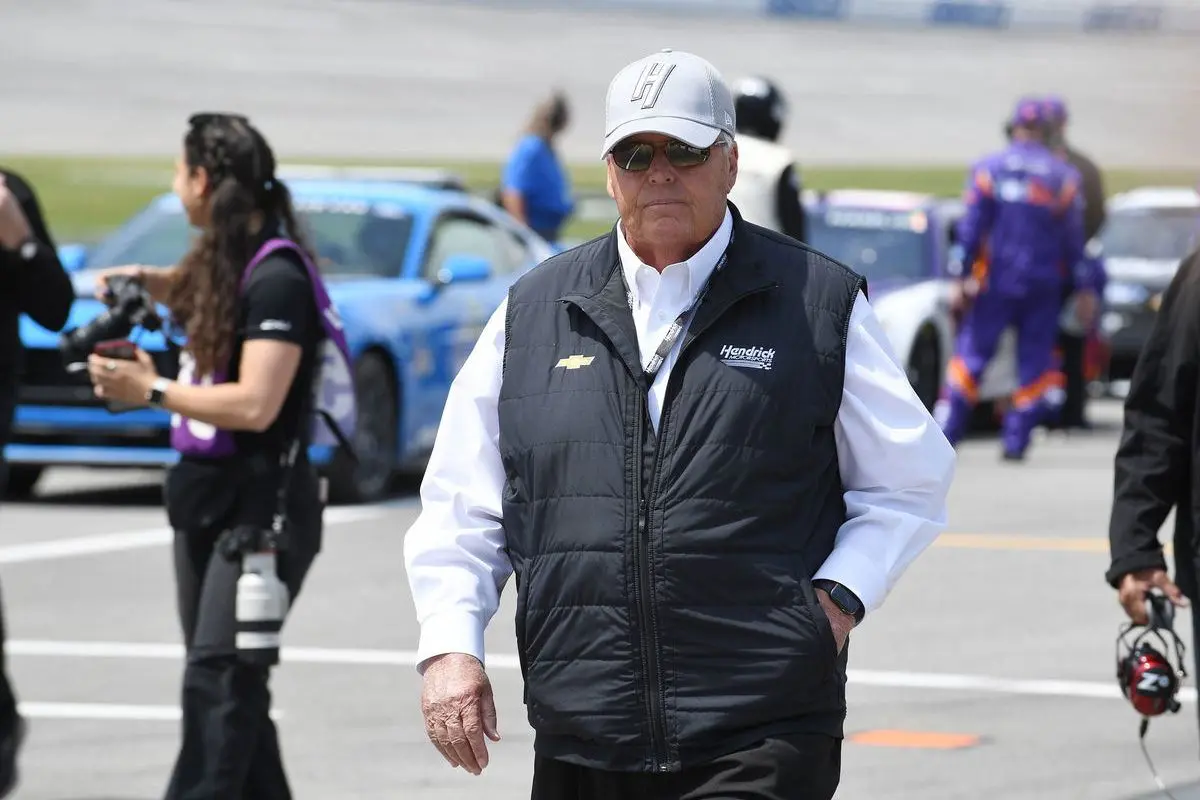
Rick Hendrick challenges California electric vehicle mandate as he joins General Motors and other key industry figures in pushing back against the new policy, which aims to make most new vehicles sold by 2035 zero-emission. The move escalates an already heated national debate over how quickly the American car market should move away from gasoline-driven models and what that transition means for businesses, consumers, and the world of NASCAR.
A growing backlash to California’s EV policy
In an ambitious step to address pollution and climate change, California has enacted a mandate that seeks to eliminate the sale of new gas-powered vehicles by 2035, requiring at least 80% of all new cars sold to be zero-emission within a decade. Supported by eleven other states, the rule is seen as a model for aggressive climate policy nationwide. However, it has drawn significant criticism—opponents argue that the targets are unrealistic, potentially threaten the choices and affordability available to consumers, and could place a substantial burden on businesses still adjusting to changing technology.
Amid this intense policy feud, the U.S. Senate is weighing a bill aimed at curtailing states like California from setting their own stricter emission-related standards. If passed, this legislation could block such mandates entirely, putting the country‘s emissions landscape into the hands of federal lawmakers.
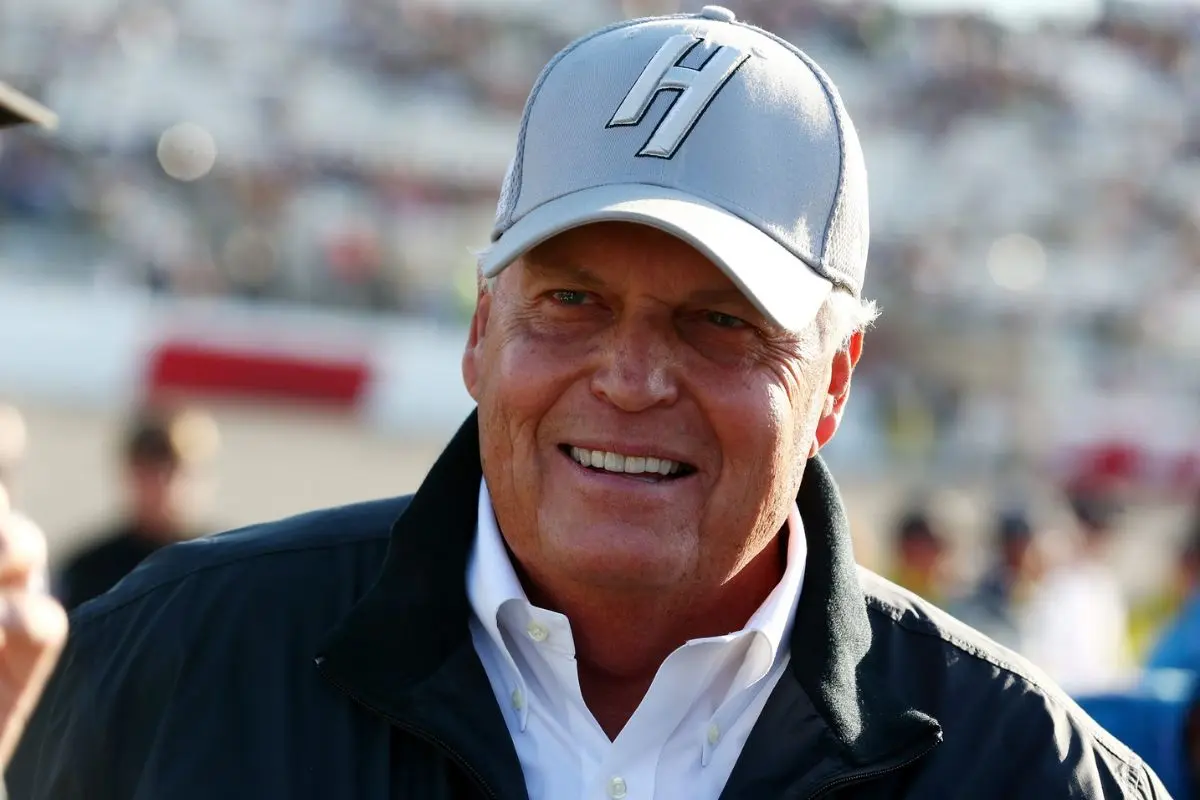
Rick Hendrick, through his business partner and his deep links to General Motors, is now voicing direct opposition to the California policy, thrusting himself and his business interests into the center of the fight over the trajectory of the American automotive industry.
Key NASCAR and auto industry players join forces in opposition
Rick Hendrick stands out not only as a legendary NASCAR figure but also as one of America’s largest chevrolet/”>Chevrolet dealers, managing a sprawling network of showrooms and dealerships. His influence bridges the world of motorsport and retail automotive sales, making him a prominent figure in both industries. Hendrick Motorsports, his flagship NASCAR team, has been a cornerstone Chevrolet partner since the 1980s, reflecting deep operational ties between his enterprise and General Motors.
California’s EV mandate now puts that partnership under unexpected strain. The new regulation’s timeline and ambitions have been criticized as too aggressive and disconnected from market realities. General Motors, alongside several dealership groups, has recently begun to actively lobby against the state‘s roadmap for electric transitions. According to a Wall Street Journal report, Rick Hendrick is joining this lobbying effort, working in concert with GM and peer dealerships to challenge the state’s strict schedule and call for a more adaptive, balanced approach to change.
GM Is Pushing Hard to Tank California’s EV Mandate – @WSJ
–
“General Motors went all in on electric cars. Now it is racing to reverse the nation’s most aggressive EV mandate.”
https://t.co/qkvR9Ayt9N
— Adam Stern (@A_S12) May 19, 2025
Rick Hendrick and other prominent dealers warn that the current industry infrastructure cannot support such a rapid transition to fully electric vehicle sales. They argue that many buyers still prefer and need gas-powered cars due to their lower cost and greater convenience for everyday use. A sentiment echoed by another dealer highlights the core of these concerns:
“We’re not against EVs. We’re against being forced to sell them before the market is ready,”
making it clear the issue is not with electric cars themselves, but with the mandated pace of adoption.
As lobbying efforts intensify, Hendrick and his allies keep pressing lawmakers for a more pragmatic path—one that considers ongoing innovation but also maintains a range of choices for consumers and dealers. The future of California’s mandate now hinges on the evolving clash between policymakers, business interests, and shifting market forces.
Possible effects of EV policies on NASCAR and its business ecosystem
The drive for zero-emission vehicles in California has implications that extend far beyond showroom floors, reverberating strongly within the NASCAR community and its long-standing culture. NASCAR, with its deep heritage built on fuel-burning engines and roaring V8s, faces a new reality as its biggest automotive partners—Chevrolet, ford/”>Ford, and toyota/”>Toyota—adapt to market and regulatory demands by investing in electric vehicle technology.
If policies like California’s become the national standard, automakers may accelerate their shift away from internal combustion engines, which would ultimately affect the types of vehicles used in NASCAR races. The current culture of the sport, from its technical foundation to its sensory experience—the noise, the speed, and the fan traditions—could face significant transformation. The idea of a move toward electric racing remains controversial among dedicated fans, many of whom fear losing much of the distinct character of American stock car competition.
Teams such as Hendrick Motorsports, closely tied to major manufacturers, could find themselves required to embrace new technologies whether or not fans and local markets are ready. Sponsorship expectations, manufacturer alliances, and even the ability to maintain the team’s revenue and operations might all be at stake as this industry-wide transition accelerates.
Moreover, from a business perspective, Rick Hendrick’s concerns mirror those of many large-scale dealership owners. Being compelled to sell mainly electric vehicles before consumers are fully prepared could threaten the profitability of dealership networks. That commercial pressure, in turn, may impact the budgets and competitive edge of NASCAR teams, given many are funded directly through these business ventures.
The choices made in places like California’s legislature and Detroit’s boardrooms now have the power to redefine NASCAR—not only how it races, but also how it thrives as a business and a cultural touchstone. The decisions of the coming months could shape everything from the experience of fans at the track to the very survival of teams built on a gasoline legacy.
Looking ahead: What’s at stake for the auto industry and car culture
Rick Hendrick’s efforts to challenge California’s electric vehicle mandate join a surge of voices arguing that major change should be guided by market realities, not only legislative deadlines. As the U.S. Senate considers federal action that could curb state-level mandates, the outcome will affect the balance of power between local innovation and national policymaking.
With General Motors, dealership associations, NASCAR figures, and policy critics uniting in their advocacy, the conflict stands to redefine how Americans buy, drive, and race cars. It is not just a question of climate policy, but of culture, business survival, and the freedom of consumers to make choices amid rapidly advancing technology.
Whether California’s bold strategy becomes a blueprint for the nation or meets resistance that ultimately derails it, the next chapter in this story will determine the pace and nature of change for every dealership, team, and fan with a stake in the American auto industry’s future.

