
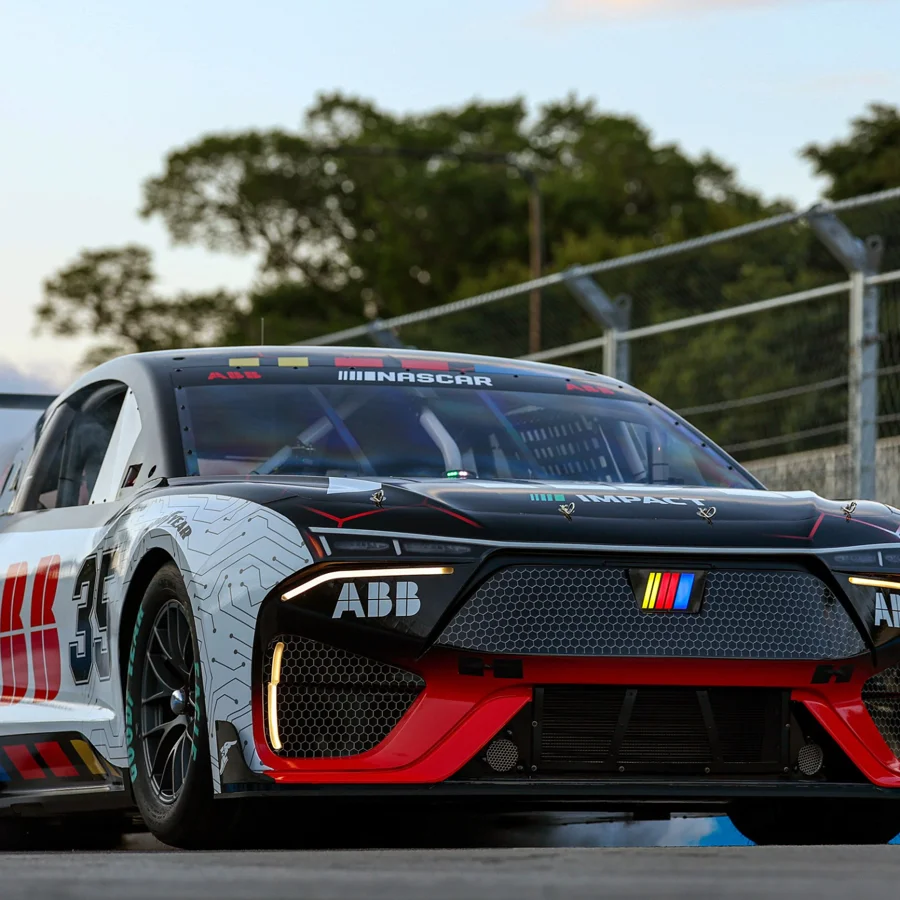
Ryan Blaney on NASCAR EV future has become a talking point among racing fans and insiders, as innovation in the sport accelerates with the rise of electric vehicle (EV) technology. Despite the debut of EV race cars and active support from manufacturers, Blaney maintains that electric cars will not replace the NASCAR Cup Series in the foreseeable future, particularly during his career.
NASCAR’s Push Toward Electric Race Cars
Over the past few years, electric vehicles have sparked significant discussion within NASCAR circles, particularly since the next-generation cars hit the track. The sport’s research and development division unveiled an electric NASCAR prototype during last season, and a more formal showcase is scheduled for the upcoming Chicago race weekend. This exhibition will include a Chevy, a <a href="https://slicksandsticks.com/tag/ford/”>Ford, and a NASCAR-developed EV competing in a 20-lap event, signaling a growing emphasis on sustainable racing technologies.
For this anticipated exhibition, David Ragan will drive the Ford, Rajah Caruth will handle the Chevy, and Brent Crews will pilot the uniquely developed NASCAR model, which is not affiliated with toyota/”>Toyota. NASCAR refers to these as “exhibition track laps,” reflecting a cautious approach to integrating electric vehicles into the sport’s mainstream competitions.
“On morning of Chicago street race, electric NASCAR vehicles will do laps at the same time (for about 20 minutes). David Ragan in the Ford, Rajah Caruth in the Chevy and Brent Crews in the original NASCAR-built car (not Toyota-specific). NASCAR terming it ‘exhibition track laps’” —Bob Pockrass, NASCAR Reporter
Ryan Blaney Confident in Traditional Cup Series Endurance
During an appearance on the Team Blaney Podcast this week, Team Penske Racing driver Ryan Blaney addressed whether the rise of EVs could unseat the iconic Cup Series. According to Blaney, while electric vehicles are intriguing additions, they will not supplant the traditional series any time soon. He voiced skepticism about widespread adoption, attributing it to the current unpreparedness of both the sport and the broader market for such a fundamental shift.
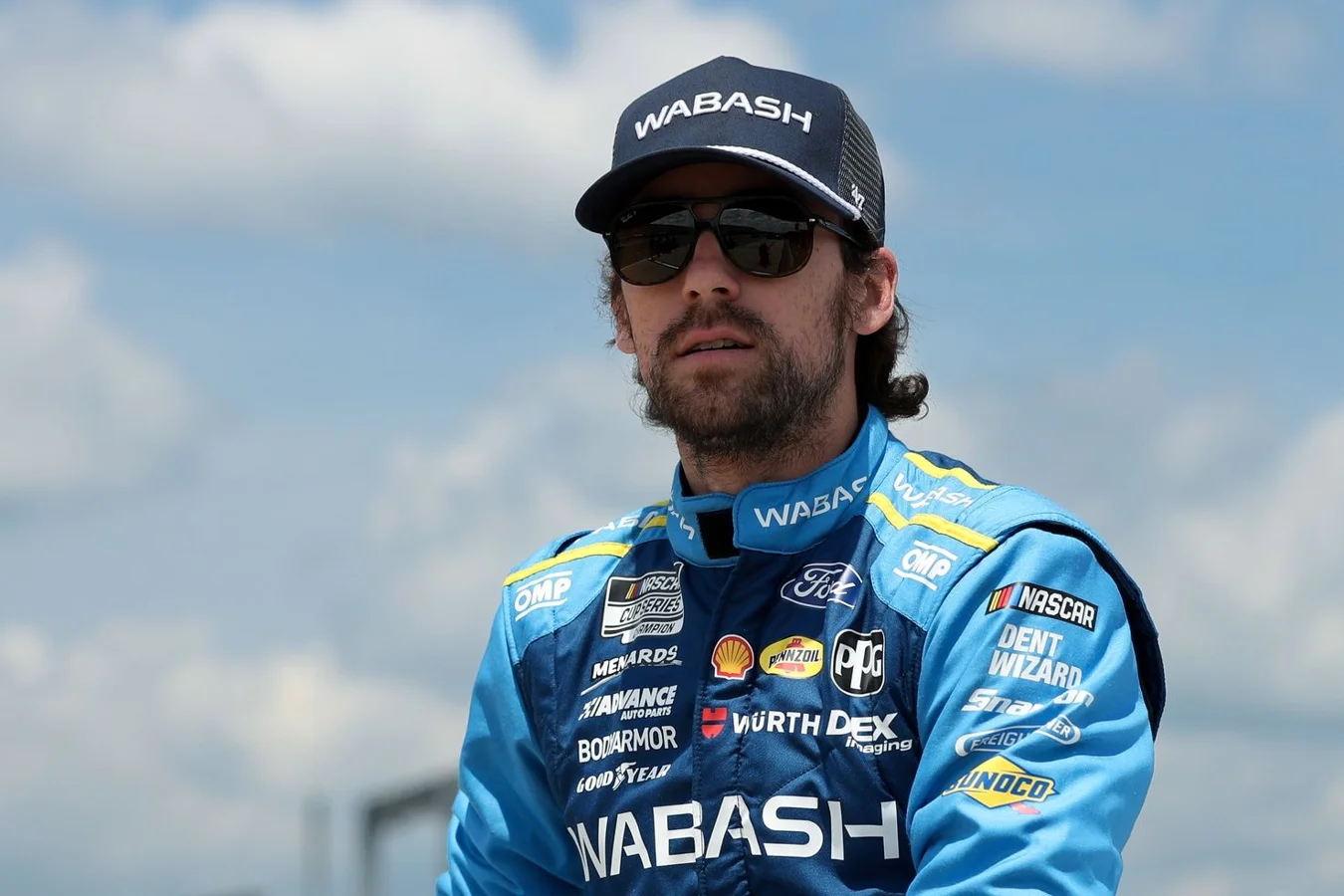
“Let me put everyone at ease. It’s not going to replace the Cup Series, like you said. It’s not going to do that. At least not in my lifetime… I think they’re unique. They’re neat. I don’t see a downside.” —Ryan Blaney, NASCAR Driver
Blaney highlighted the uniqueness of electric vehicles and their potential benefits, but made it clear that change of this scale requires significant readiness among participants, fans, and officials. He acknowledged that having manufacturers demonstrate their engineering abilities through EV showcases is both inevitable and valuable, but reiterated that total replacement of tradition-bound Cup cars is not on the immediate horizon.
“Like, who cares that each manufacturer has one? It’s something that they can kind of show off and throw out there. They’re trying to balance the electric and gas-powered vehicles. You have to balance that out. So, I get their desire to want to have a race car. A Cup [Series] car like that.” —Ryan Blaney, NASCAR Driver
Manufacturers are currently focused on maintaining equilibrium between electric and gasoline-powered vehicles. While they explore possibilities for the top racing tier, hybrid models seem to be the practical next step, a trend also being observed in other major racing series, such as Formula 1.
David Ragan Weighs in on the Value of Electric Projects
Veteran and part-time NASCAR driver David Ragan has been instrumental throughout the electric car initiative, frequently serving as a test driver. He is confirmed to take part in the demonstration laps in Chicago, offering unique insights into NASCAR’s shifting landscape. Ragan believes the move toward EVs is largely a response to evolving consumer interests and technological advancements within the automotive industry.
“As the consumers start to buy more EVs, I think NASCAR sees a demand that the consumers want to see that car racing on the racetrack. And it is still a stock car series…. I see manufacturers coming out with new models and some pretty cars that they plan on selling a lot of in the future.” —David Ragan, NASCAR Driver
Ragan pointed out the collaborative nature of the current endeavor, where NASCAR and automakers are jointly shaping the future of racing. He suggested that more electric race cars are likely to debut in the coming five years, which could profoundly influence both the sport and its fan base.
“So, it’s only appropriate that NASCAR learns what that might look like to help the manufacturers out. NASCAR certainly couldn’t do any kind of a series if it wasn’t for the manufacturer support… There are more EVs that are driven to NASCAR races today than there were five years ago, and I would think in five more years, there’s going to be a lot more.” —David Ragan, NASCAR Driver
The comments from Ragan indicate a shared recognition between NASCAR and manufacturers of shifting trends, not just on the racetrack but among everyday consumers who increasingly embrace electric cars. This mutual effort is seen as a strategic move to keep the series aligned with technological progress and public demand.
The Road Ahead: Hybrids and Gradual Evolution
Together, the positions of Ryan Blaney and David Ragan suggest that while NASCAR is open to electric innovation, a full-scale transition is unlikely in the near term. Instead, the most probable next step for the Cup Series and other racing divisions is the integration of hybrid vehicles, following the example set by leagues like Formula 1. Although the excitement around EV racing continues to build, the ecosystem—comprising teams, drivers like Brent Crews and Rajah Caruth, manufacturers such as Ford and Chevy, and fans—remains cautious about abandoning traditional formats too soon.
As the industry continues to adapt, the ongoing dialogue among drivers, executives, and fans will determine how quickly electric technologies evolve within NASCAR’s most prestigious circuits. What remains clear is that conversations surrounding Ryan Blaney on NASCAR EV future will continue to shape opinions and decisions in the sport for years to come, ensuring that tradition and innovation are kept in careful balance.
This period of transition marks a complex and unresolved chapter for NASCAR, where the future may see EVs earning a larger role, but the Cup Series, at least for now, holds firm at the center of American stock car racing.

