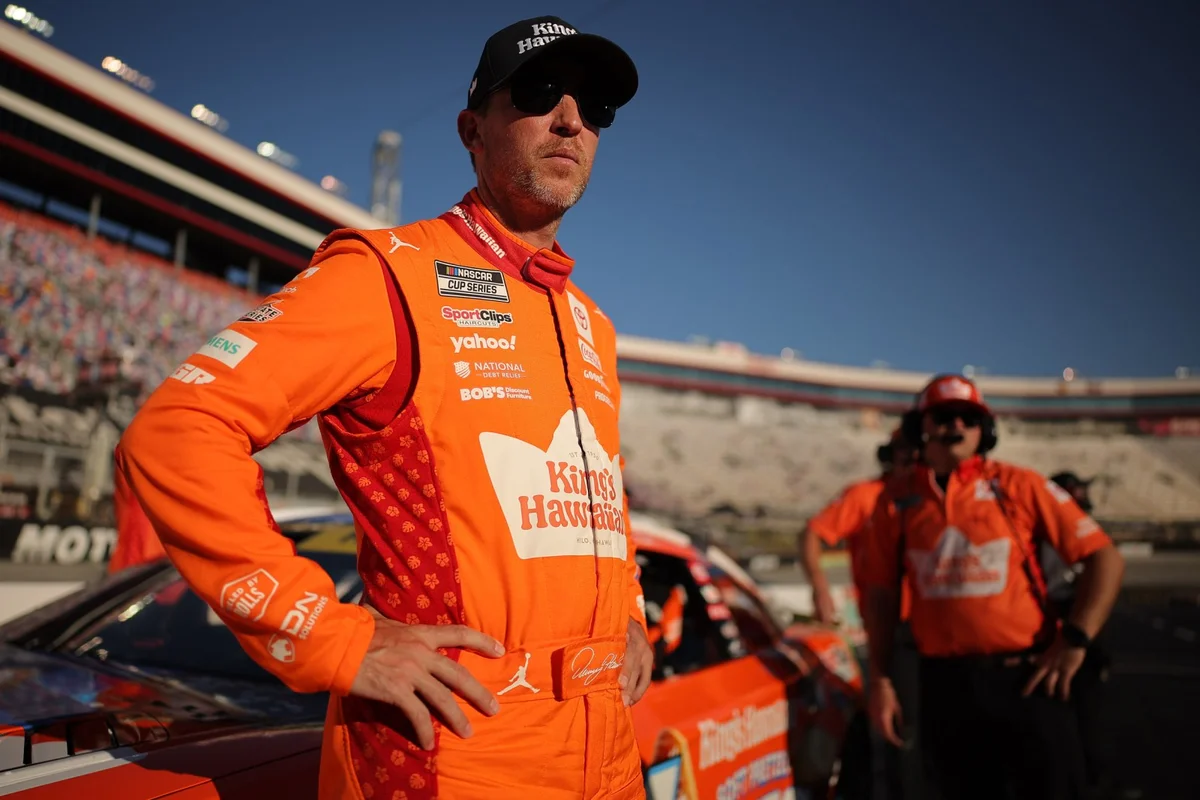
The introduction of NASCAR’s Next Gen car has placed a stronger emphasis on drivers’ skills, a shift noted by Denny Hamlin in recent discussions, as NASCAR debates relaxing some of its long-standing technical rules. With teams now required to use mostly identical vehicles, Hamlin’s Next Gen opinion highlights how this change has rebalanced competition on the track.
Technical Rules Tighten, Shifting Competition Toward Drivers
NASCAR has historically imposed firm rules for car construction, requiring teams to purchase specific parts from approved suppliers, limiting the potential for custom engineering. As the organization considers easing these restrictions, conversations have reignited regarding the role of innovation and its impact on on-track performance. Denny Hamlin, a prominent driver for Joe Gibbs Racing (JGR), has observed firsthand how these regulatory shifts have altered competition’s foundation.
Although Hamlin appreciates the technical advantages and opportunities for creativity inherent in custom-built cars, he acknowledges that the Next Gen era has changed the game. In a recent appearance on Sean Kelly’s Digital Social Hour Podcast, Hamlin reflected on how the competitive formula has evolved since NASCAR’s earlier days. He described a time when craftsmanship and unique engineering made the car itself a significant factor, allowing teams to find a winning edge through superior design and execution.
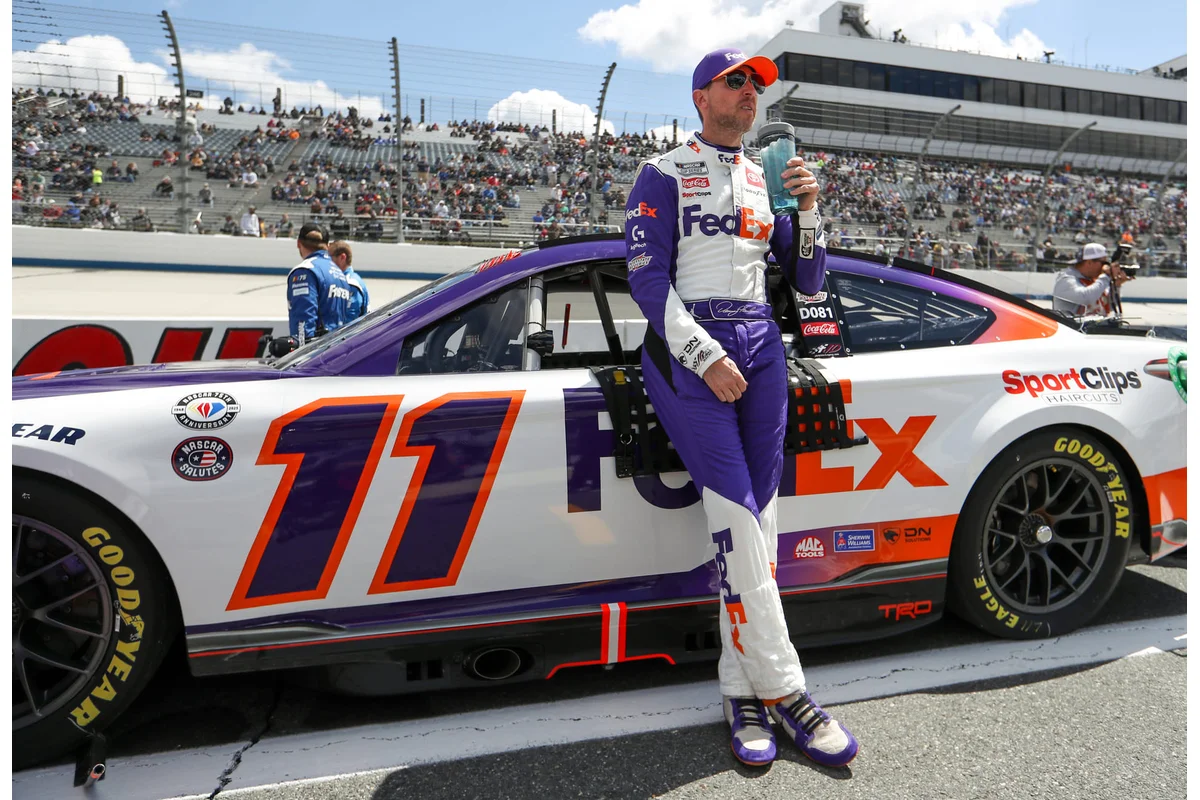
“NASCAR was probably 60% car back in the day, 40% driver because you used to be able to build trick cars. But over the last few years, they introduced what is called Next Gen car. It’s essentially like a Lego set, right? Everyone has to buy the same Lego set.”
— Denny Hamlin, Driver
This new approach, Hamlin explained, has mostly eliminated traditional manufacturing freedoms. Now, performance differences rely less on engineering prowess and more on strategic execution by drivers who must extract every ounce of performance from nearly identical machinery.
“We no longer can manufacture our own bodies or chassis or whatever. To save the team’s money… everyone has to run the race in the same car.”
— Denny Hamlin, Driver
The current lineup from Ford, Chevrolet, and Toyota varies primarily in terms of body shape and branding; fundamentally, each team races on the same technical platform. As a result, small distinctions in car or manufacturer matter less than they once did—placing the focus squarely on a driver’s ability to make the difference under pressure.
Hamlin Draws Inspiration from Formula One’s Engineering Freedom
Despite accepting the new reality in NASCAR, Denny Hamlin has openly expressed his admiration for motorsports with fewer limitations on vehicle development, such as Formula One. He finds excitement in seeing teams push the limits of technology and aerodynamics, allowing creative solutions and technical flair to impact race results. For Hamlin, that dynamic creates a richer and more compelling competition, revealing the sport’s technological progression in real time.
This perspective illustrates a broader debate across professional racing. Some, like Hamlin, are drawn to the unpredictability and depth fostered by frequent design innovation. Others value the level playing field and cost control enabled by stricter oversight—an area where NASCAR’s Next Gen opinion remains sharply divided.
Veteran Crew Chiefs Echo Concerns About Lost Ingenuity
Hamlin’s sentiment is shared by respected figures such as former crew chief Evernham, who recently discussed the evolving landscape with John Roberts on Kenny Wallace’s show. Evernham reminisced about a period when teams poured energy into incremental improvements, viewing the racecar as a perpetual work in progress. Engineers and mechanics would meticulously search for marginal gains, believing that even minor adjustments could provide the crucial competitive edge.
According to Evernham, this relentless pursuit of perfection defined much of NASCAR’s identity. He believes the sport has strayed from those roots, placing less emphasis on the interplay of human ingenuity and machine performance. Evernham argues that allowing more adjustability in today’s cars could restore some of the organic competitiveness that once set NASCAR apart.
He also weighed in on the financial rationale behind NASCAR’s move to the Next Gen platform, noting that while it may not dramatically cut costs, it can at least slow the rate of spending increases. Nevertheless, his primary concern remains the quality of competition and the ability for teams to express their expertise directly on the racetrack.
Evernham has advocated for restoring adjustability in the cars, suggesting this would allow teams to focus less on constraints like fuel management and more on real-time performance improvements. This flexibility, in his view, would return the spotlight to the collaboration between crew, driver, and machine, making every race a unique expression of skill and strategy.
Implications of the Next Gen Shift for NASCAR’s Future
The ongoing debate about technical regulations and the balance of driver versus machine underscores a pivotal moment for NASCAR. For drivers like Denny Hamlin, the Next Gen car era means adapting to new ways of earning an advantage, with driver performance becoming the ultimate differentiator. Crew chiefs such as Evernham advocate for rekindling the spirit of ingenuity to shape the future of competition.
How NASCAR responds to these conflicting perspectives may determine the path the sport takes—from standardized consistency focused on drivers, to a model that again welcomes creativity and technical risk-taking. As stakeholders debate cost, competition, and the soul of the sport, what happens next will shape not only results on the track but also the identity of American stock car racing going forward.