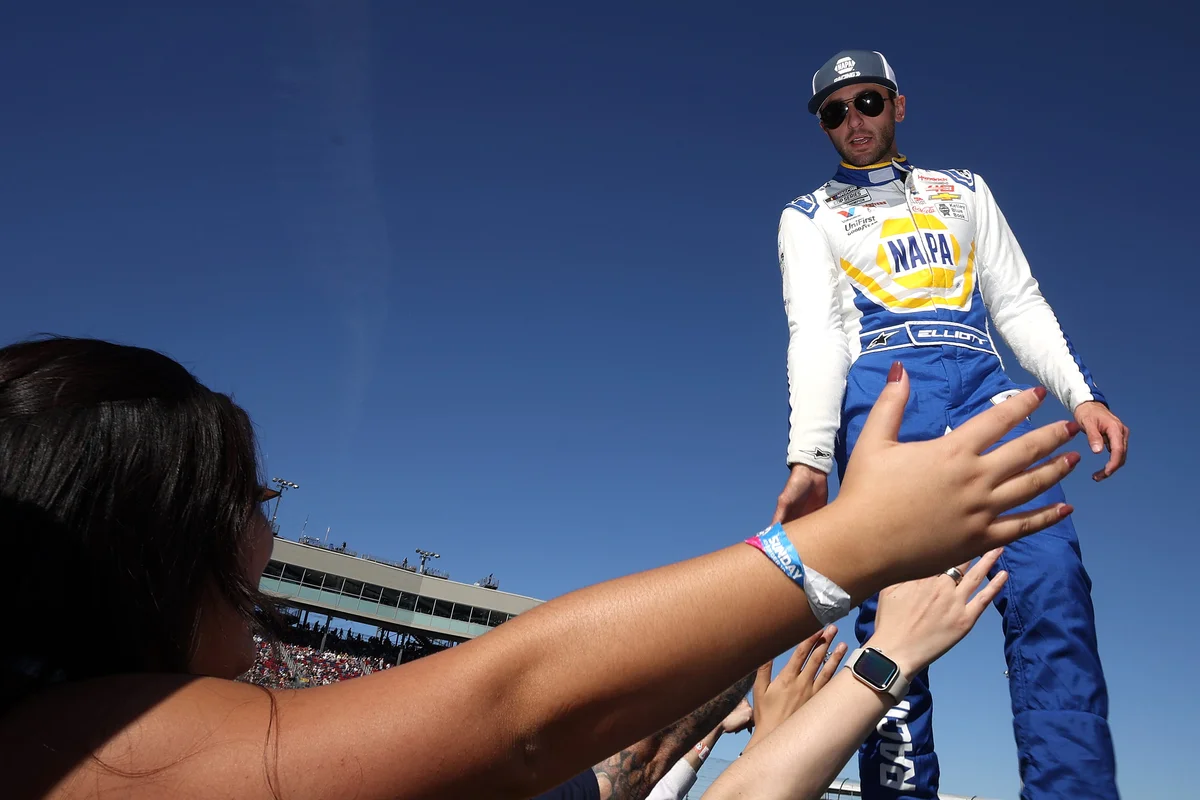
Chase Elliott’s status as NASCAR’s top fan-favorite has held steady for years, but signs are emerging that his reign is meeting new challenges, especially due to a surge in interest surrounding Dale Earnhardt Jr. This year’s die-cast sales point to a complex shift in Chase Elliott NASCAR popularity shift, revealing deeper trends in how NASCAR fans show their loyalties.
Changing Trends in NASCAR’s Most Popular Driver
Since 2017, Chase Elliott has dominated NASCAR’s Most Popular Driver Award, inheriting the crown after Dale Earnhardt Jr. retired. For eight consecutive years, Elliott led fan voting each November, a sequence that looked almost unbreakable. In 2025, he again secured the Most Popular Driver title, marking his eighth straight win and cementing what seemed like an untouchable legacy.
However, as the season closed out, new data suggested a more complicated story. While Elliott’s fan votes remained robust, the broader market—especially collectible die-cast sales—hinted at a possible shift in where passion is strongest. Market indicators, such as sales of NASCAR memorabilia, are beginning to spotlight contenders whose popularity runs deeper than ballots alone can show.
Dale Earnhardt Jr. and JR Motorsports Reshape the Die-Cast Market
The release of Lionel Racing’s 2025 best-selling die-cast list revealed a significant surprise for fans and industry watchers alike. Taking the top spot was the Justin Allgaier Traveller Whiskey Chevrolet, a car that not only symbolizes Justin Allgaier’s steady performance but also marks JR Motorsports’ inaugural entry into the NASCAR Cup Series at the 2025 Daytona 500. This event represented a major milestone for Dale Earnhardt Jr.’s organization.
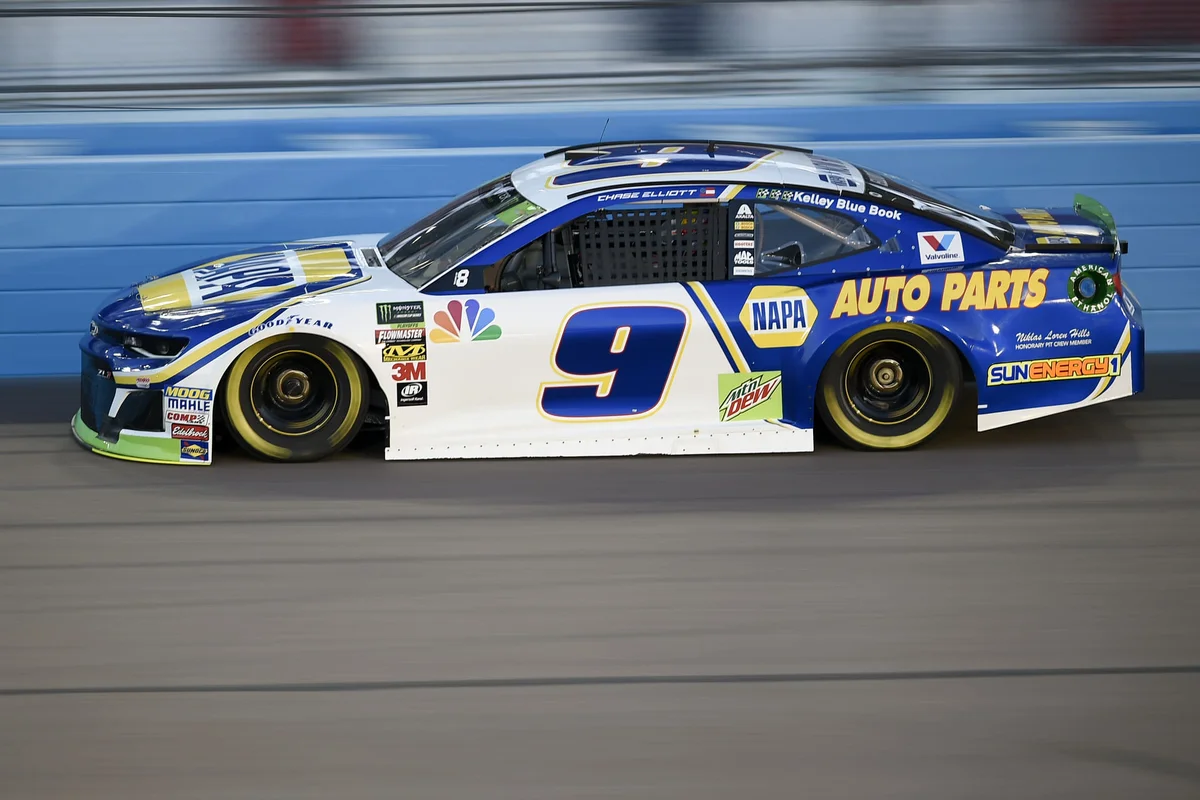
For the collectors and long-time admirers of NASCAR, the significance of this event went far beyond the car’s metal and paint. The debut Cup entry for JR Motorsports brought together a sense of heritage with the hopeful promise of the future, encouraging many to snap up commemorative models.
“Justin Allgaier’s No. 40 Chevrolet from the Daytona 500 — JR Motorsport’s first Cup start — was Lionel Racing’s best-selling die-cast car for 2025.https://t.co/HAuj9WQVaO” — Jayski (@jayski)
The Dale Earnhardt Jr. effect only extended from there, with Earnhardt himself earning the number two slot on the die-cast bestseller list through his Budweiser Speedway Classic Late Model Chevrolet. Even though “Junior” has not competed full-time in years, his drawing power among NASCAR loyalists shows little sign of fading. The continued response demonstrates just how enduring Earnhardt’s legacy is, often evolving rather than simply disappearing.
Elliott’s Slide on the Best-Seller List Raises Questions
Meanwhile, Chase Elliott’s own ranking on the Lionel Racing list provided fresh material for conversation among fans and analysts. Despite Elliott’s continued popularity in fan polling—taking the top spot in the 2025 Cup Series Most Popular Driver Award—he did not appear until fourth on the list of best-selling die-casts. This subtle drop, while not catastrophic, marks a notable change from recent seasons when Elliott merchandise was nearly always at the forefront.
The shift indicates more than a simple sales slump. It reflects evolving dynamics within the sport, where purchasing decisions are influenced as much by nostalgia, emotional milestones, and special team achievements as by overall name recognition or popularity contests. Many collectors and observers noted that while votes can reflect broad appeal, buying habits are often shaped by sentiment and collector excitement for landmark moments or changes within the sport.
“Each die-cast tells a story of triumph and tradition, and we’re proud to bring these moments to fans and collectors everywhere,” — Howard Hitchcock, Lionel Racing CEO
Hitchcock’s remarks highlight how collectibles in NASCAR function as mementos of pivotal times and favorite drivers. NASCAR’s own efforts, working with teams and Lionel Racing, have ensured that these replicas become cherished reminders of racing history, underscoring the changing facets of fan loyalty.
What Drives Popularity: Sentiment, Nostalgia, and Market Choices
Fan polls continue to favor Chase Elliott year after year, but this season’s die-cast results show that popularity in NASCAR culture is multi-layered. When it comes time to purchase mementos, fans often choose tributes to team milestones or drivers whose history is steeped in family legacy and collective memory.
The 2025 surge in interest around Dale Earnhardt Jr. and his JR Motorsports operation supports the idea that legacies can be as meaningful as current achievements. Justin Allgaier’s bestselling car, representing both a personal triumph and a high point for the team, captures the lasting emotional strength associated with the Earnhardt name. Meanwhile, Elliott’s consistently high-place finish on the list (though lower than years past) shows he remains a core favorite, but the pattern is shifting as new narratives emerge around the sport.
Dale Earnhardt Jr.’s Surprising Reaction to NASCAR and SRX
Even as Earnhardt Jr. enjoys significant off-track attention, he recently expressed genuine surprise about NASCAR’s internal perspectives on rival racing series. According to court documents cited on his “The Dale Jr. Download” podcast, NASCAR officials once saw the Superstar Racing Experience (SRX), a nostalgia-driven series led by Ray Evernham, as a competitive threat despite its far smaller scale.
Earnhardt Jr. described Evernham’s vision for SRX as rooted in honoring the sport’s longtime stars and bringing unique personalities together for local-market events, rather than competing head-to-head with NASCAR’s main attractions.
“When he started talking about SRX and what he wanted to do, in his mind, he wanted to re-create IROC,” — Dale Earnhardt Jr.
“The initial idea of SRX as a series that would go into these local markets, and you would bring out these retired guys and some unique personalities, different forms of racing, and offer up a car to the local hero.” — Dale Earnhardt Jr.
Earnhardt Jr. admitted he never felt compelled to join the SRX effort, remaining largely detached from its operations and broadcasts.
“I will say, though, I wasn’t interested in it, personally. Out of the gate, I just didn’t have the bandwidth to get into it. I wasn’t a fan; I didn’t really watch too much of it,” — Dale Earnhardt Jr.
“No offense to anybody out there that was SRX fans or anybody that worked in the series… but I wasn’t into it.” — Dale Earnhardt Jr.
He also shared confusion and a sense of disbelief over NASCAR’s apparent concern, especially considering SRX’s modest size and business realities.
“To hear that they were even remotely the least bit threatened is so surprising to me because they’re this giant that’s NASCAR, and SRX is just this little thing,” — Dale Earnhardt Jr.
“They were like 12 cars just barely getting by financially.”
“They’re tearing up so much shit, they had no idea they were gonna tear up so much shit… In the end, they couldn’t make the money work.” — Dale Earnhardt Jr.
“I am surprised by some of the comments I read from O’Donnell and a couple people of, ‘Man, we gotta put an end to this or we gotta go take a look at this,’” — Dale Earnhardt Jr.
This candid perspective offers rare insight into NASCAR’s behind-the-scenes thinking and the kinds of factors that can unexpectedly affect the business side of professional racing.
The Lasting Impact of NASCAR’s Shifting Allegiances
The developments of 2025 underscore how emotional connections, nostalgia, and major milestones continually shape the NASCAR landscape. The Chase Elliott NASCAR popularity shift is more than a matter of statistics or sales figures—it illuminates how legacies like Dale Earnhardt Jr.’s continuously influence the current fan community, and how market choices sometimes point to a deeper, more layered reality beneath surface-level polls.
As NASCAR looks ahead, both established stars like Elliott and enduring icons like Earnhardt Jr. will likely continue to define what it means to be truly popular in a sport where legacy, emotion, and history all hold powerful sway all the way from racetrack to collector’s shelf.
Justin Allgaier's No. 40 Chevrolet from the Daytona 500 — JR Motorsport's first Cup start — was Lionel Racing's best-selling die-cast car for 2025.https://t.co/HAuj9WQVaO
— Jayski (@jayski) December 14, 2025