

Denny Hamlin has publicly criticized how NASCAR’s standardized parts and locked sponsorship categories are impacting teams, revealing that his Joe Gibbs Racing group spends about $700,000 a year on mandated Goodyear tires. The current Denny Hamlin NASCAR sponsorship restrictions limit commercial opportunities and have led to wide-ranging effects on competition, costs, and team autonomy.
Standardized Parts Limit Competition and Car Differentiation
Since NASCAR introduced fully standardized components in 2022, the intended goal was to control escalating costs across the series. However, teams and drivers like Hamlin have felt the effects go much further. Cars on the track now appear almost identical in performance and setup, making it significantly harder for drivers to overtake rivals or differentiate themselves through unique adjustments. The atmosphere on short tracks has especially suffered, with the racing and strategy becoming less compelling as variability between cars shrinks.
Teams are now obligated to purchase parts from a slate of approved vendors regardless of whether those components best fit their needs. This has forced organizations to invest in expensive equipment that may not always deliver the best results, damming potential technical innovations and making the sport feel more constrained for drivers and engineers alike.
Sponsorship Restrictions Impact Financial Flexibility
Central to these challenges are the sponsorship rules NASCAR enforces regarding so-called “category partners.” When the organization signs an exclusive agreement with a brand—such as Goodyear for tires or a particular fuel provider—teams lose the ability to secure sponsorships in that area from rival companies. Hamlin clarified that even if securing a partnership with an alternative brand could bring financial or technical advantages, such deals are strictly off-limits.
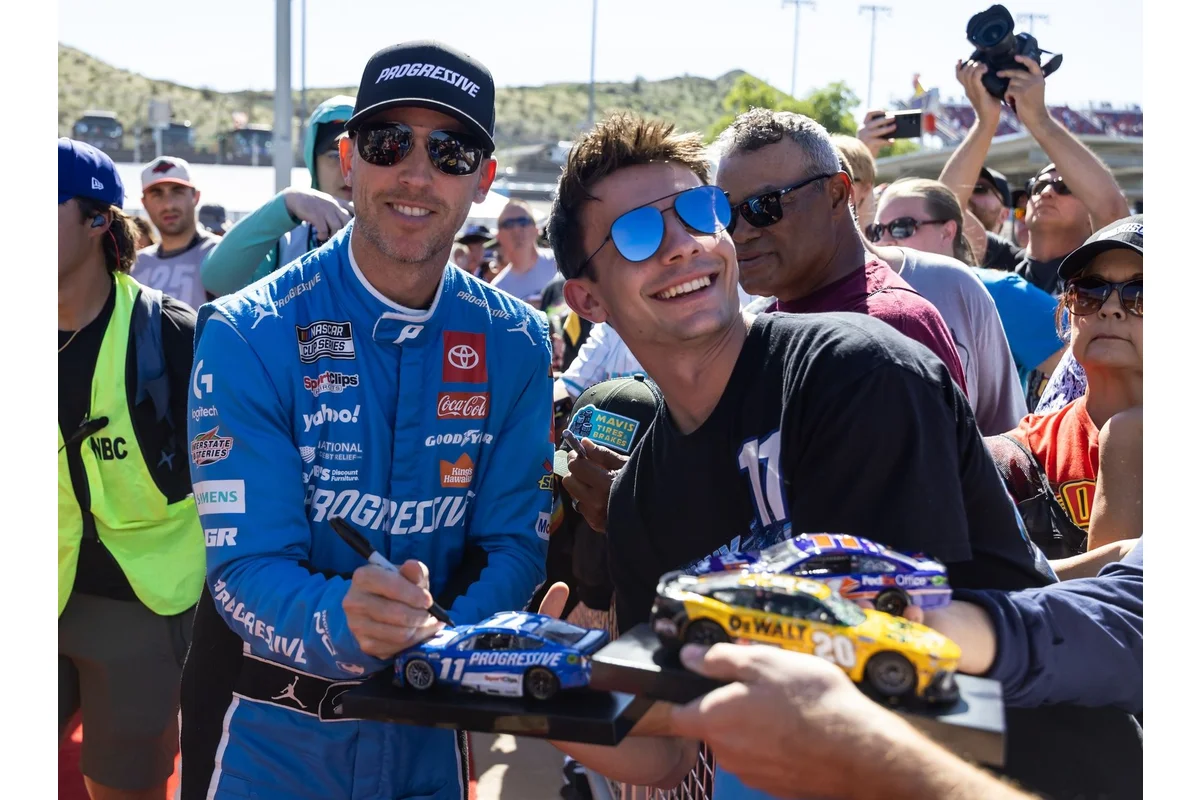
Fuel and tires, two of the most crucial performance areas in motorsports, fall into these locked categories. This limits a team’s ability to capitalize on those partnerships commercially, removing a possible revenue stream that once supported team operations. Hamlin laid out the financial implications, noting the annual cost his team faces for essential supplies that they have no option but to purchase from the single, sanctioned supplier.
“But that’s an agreement that they have with NASCAR itself. And again, it’s a category where we couldn’t go get a Michelin to sponsor our car.”
— Denny Hamlin, Driver, Joe Gibbs Racing
Manufacturer Identity and Team Autonomy at Risk
Beyond the immediate financial burden, these rules have led to broader effects across the NASCAR ecosystem. With teams hemmed in by the standard car model, opportunities for mechanical breakthroughs and unique driving approaches have diminished. This, in turn, compresses the skill gap between drivers and restricts the influence of manufacturers such as Chevrolet, Ford, and Toyota, whose ability to showcase engineering innovation has receded.
The reduction in manufacturer distinction has long-term implications: Fewer technical differences could cool company enthusiasm to fund and promote their racing efforts. The possibility of reduced fan engagement looms if the brands see limited value in competing when their engineering work makes minimal difference on track.
Performance, Safety, and Legal Concerns with Mandated Components
The current structure, which restricts parts purchases to a shortlist of authorized suppliers, can also leave teams powerless when issues arise. When a flaw is found in a required component, such as in the early versions of the Next Gen chassis—which was criticized for being too rigid and contributing to injuries—every team must wait for NASCAR and the official supplier to offer a fix. Teams have no way to remedy the situation individually or enhance equipment to address immediate concerns, putting both performance and safety at risk.
On the tire front, the exclusivity of Goodyear prevents teams from experimenting with other manufacturers or compounds that might better suit certain tracks or racing styles. Hamlin underlined the point that, unlike in other series such as Formula 1 (where a single supplier still offers multiple compounds), NASCAR’s choices are tightly fenced in, which has further muted the tactile cues drivers depend on for cornering and grip management.
Rising Costs and Antitrust Debate Amid Standardization
While the reforms were positioned as cost-cutting, teams argue the reality has been starkly different. The mandated purchase of expensive parts, which teams do not own since they remain the property of NASCAR, has inflamed annual expenditures. This perceived imbalance is central to the rising frustration within the garages and has spurred recent legal challenges on antitrust grounds, with some organizations openly questioning whether the current business model is sustainable.
Possible Reforms May Offer Fresh Hope
Amid this backdrop of mounting discontent, NASCAR is reportedly exploring ways to roll back some restrictions, potentially allowing limited technical innovation and increased horsepower. Teams and fans are watching to see whether the sport will return a measure of autonomy to organizations and drivers, with hopes that such revisions can rejuvenate racing excitement and restore some of the commercial latitude teams have lost under the current Denny Hamlin NASCAR sponsorship restrictions. As these discussions continue, the next season could mark a turning point for competition and business in the sport.

