

Chevrolet has introduced significant modifications to its NASCAR Cup Series Camaro ZL1 bodywork ahead of the new season, unveiling these updates after Kyle Larson’s recent championship victory in Phoenix. This Jeff Gordon NASCAR Camaro update, which will debut at the Cook Out Clash at Bowman Gray Stadium, aims to narrow the performance gap between rival teams by enhancing aerodynamic efficiency and overall race competitiveness.
Chevrolet’s Refined Camaro: Details and Inspiration
Announced in November, the revised NASCAR Camaro bodywork borrows key design cues from Chevrolet’s own street performance accessories package. The new race car sports a taller hood dome, a more sculpted front grille, and enhanced rocker panels. According to Chevrolet, these upgrades are inspired by the Carbon Performance Package Accessories Kit, which brings carbon-fiber elements to both the hood and rockers along with a distinct grille and front splitter. The fresh look and feel have already sparked renewed optimism within Hendrick Motorsports, one of the powerhouse teams relying on Chevrolet machinery.
The freshly developed body underwent on-track validation late last year, providing early glimpses of its potential. Jeff Gordon, the Hendrick Motorsports vice chairman, believes this latest version of the Chevrolet Camaro ZL1 could mark a turning point for the manufacturer as it enters this new phase of NASCAR competition. The team’s excitement is tempered with experience, as Gordon remarked,
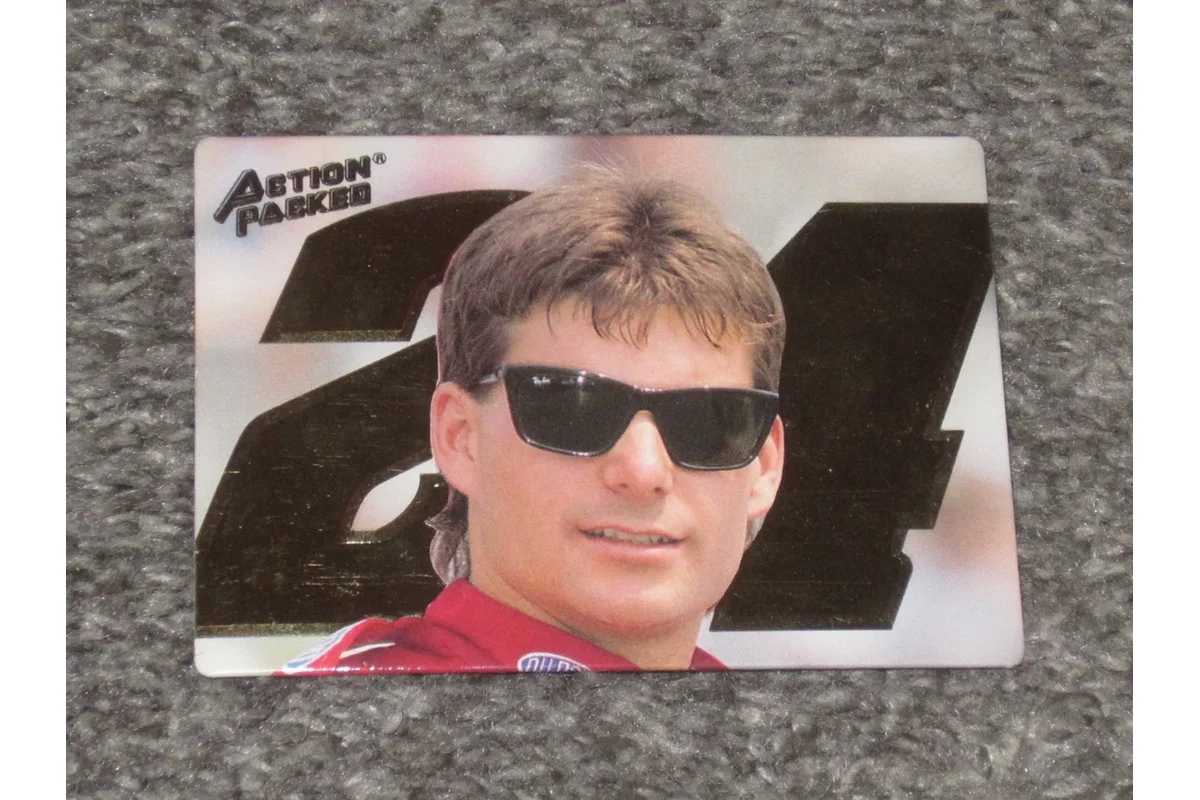
“When you’ve done what we’ve done with our car and our teams and one of those things is winning a lot of races and winning a championship, I get really excited when I think we’ve got something that’s an upgrade. I don’t want to get too caught up in that because sometimes, it takes time to fine-tune that change.”
– Jeff Gordon, Vice Chairman, Hendrick Motorsports.
Closing the Aerodynamics Gap
Historically, Hendrick Motorsports acknowledged lagging behind competitors in the aerodynamics department. With the debut of this revised Camaro body, Gordon believes the field is now more competitive.
“I feel like we’ve gotten ourselves on a level playing field with them, so I’m very excited about that,”
he said. – Jeff Gordon, Vice Chairman, Hendrick Motorsports.
Beneath its subtle visual tweaks, the upgraded Camaro body is engineered with deeper objectives in mind. Engineers focused on improving airflow management, harnessing new shapes to increase downforce and create a steadier platform at high speeds. These aerodynamics changes are designed to minimize drag while improving stability, supporting Chevrolet’s ambition to extend its five-year streak of manufacturer titles in the NASCAR Cup Series. For race engineers and drivers alike, these technical adjustments are expected to enhance car handling, especially in tricky conditions.
Chevrolet’s journey with the Camaro in NASCAR began in 2018 when the ZL1 replaced the Chevy SS as the brand’s flagship. It underwent further development into the ZL1 1LE by 2020, and then evolved to meet the Next Gen specifications in the Cup Series two years later. While the consumer version of the Camaro ended production with the 2024 model year, the racing iteration remains at the forefront of Chevy’s competitive ambitions.
Dale Earnhardt Jr.’s Guarded Reaction to the Camaro Redesign
As anticipation builds among much of the racing community, not all veteran voices are completely optimistic. Dale Earnhardt Jr., co-owner of JR Motorsports and a former Cup Series champion planning a Daytona 500 comeback in 2026, expressed a mix of hope and apprehension regarding the new Camaro’s introduction. His unease, he admits, is linked less to fiscal strain and more to the unpredictability that comes with racing an all-new body style.
From a budgeting perspective, Earnhardt Jr. feels now is an advantageous time for teams to adapt the car without overextending resources. However, he remains mindful of the challenges that surface when manufacturers roll out major body changes, especially at high-stakes events like Daytona. Teams face a steep learning curve in deciphering how the revamped aerodynamic package will respond in the tightly-packed racing typical at superspeedways, often without detailed insider knowledge regarding the development process or subtle nuances.
Racing history suggests that every new body style brings its own set of questions, often requiring teams to respond and adapt quickly in a competitive environment. The push for aerodynamic efficiency and stability isn’t limited to mechanical power or grip; it’s a balancing act that places even more pressure on teams during the early races of the season. Furthermore, manufacturers tend to prioritize refining intermediate-track performances first, which only adds to the uncertainty before marquee superspeedway events like the Daytona 500.
Looking Ahead to the Camaro’s Impact in NASCAR
As preparation ramps up for the Camaro’s official debut at the season-opening exhibition, the atmosphere around teams like Hendrick Motorsports is a careful mix of optimism and realism. The Jeff Gordon NASCAR Camaro update represents a renewed push by Chevrolet to stay ahead in a hyper-competitive field that includes teams and drivers like Kyle Larson and organizations such as JR Motorsports. If the upgrades work as intended, the changes to the car’s bodywork could offer Chevrolet another competitive edge as it continues to challenge for Cup Series championships and manufacturer honors in the coming years.

