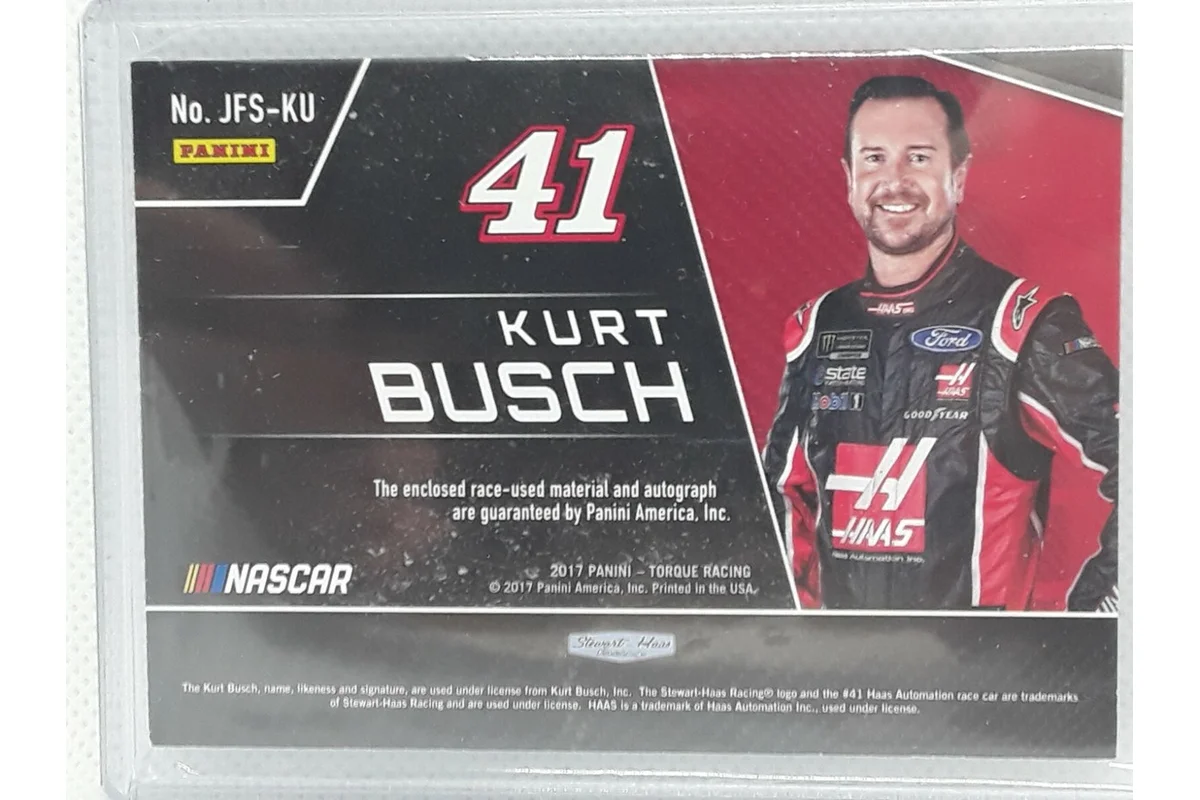
Kurt Busch’s NASCAR career highlights mark one of the most unpredictable and eventful journeys in the sport’s history, culminating in his recent Hall of Fame induction. Through high-speed triumphs and headline-making controversies, Busch’s path has been defined by raw talent, intense rivalries, and relentless perseverance over 21 seasons.
An Unconventional Path from Las Vegas to NASCAR Fame
Born in 1978 in Las Vegas, Kurt Busch grew up deeply rooted in racing culture, inspired by his short-track racer father. At just 14 years old, he began his competitive driving journey in a dwarf car at Nevada’s Pahrump Valley Speedway. His early years mirrored the traditional progression for NASCAR hopefuls, and by 1997, he was competing in the NASCAR Winter Heat Series at Tucson Raceway Park against future stars like Greg Biffle and Kevin Harvick.
A year later, Busch broke through in the regional NASCAR Featherlite Southwest Tour, earning seven wins and claiming both Rookie of the Year and the 1999 championship. This rapid success caught the attention of Jack Roush, who offered the 21-year-old a chance to compete for a spot in national-level racing via the renowned “Gong Show.” Winning the competition secured Busch a ride with Roush Racing in the 2000 NASCAR Craftsman Truck Series season, where he wasted no time making an impact—earning four victories, Rookie of the Year honors, and finishing second in the standings to teammate Biffle.
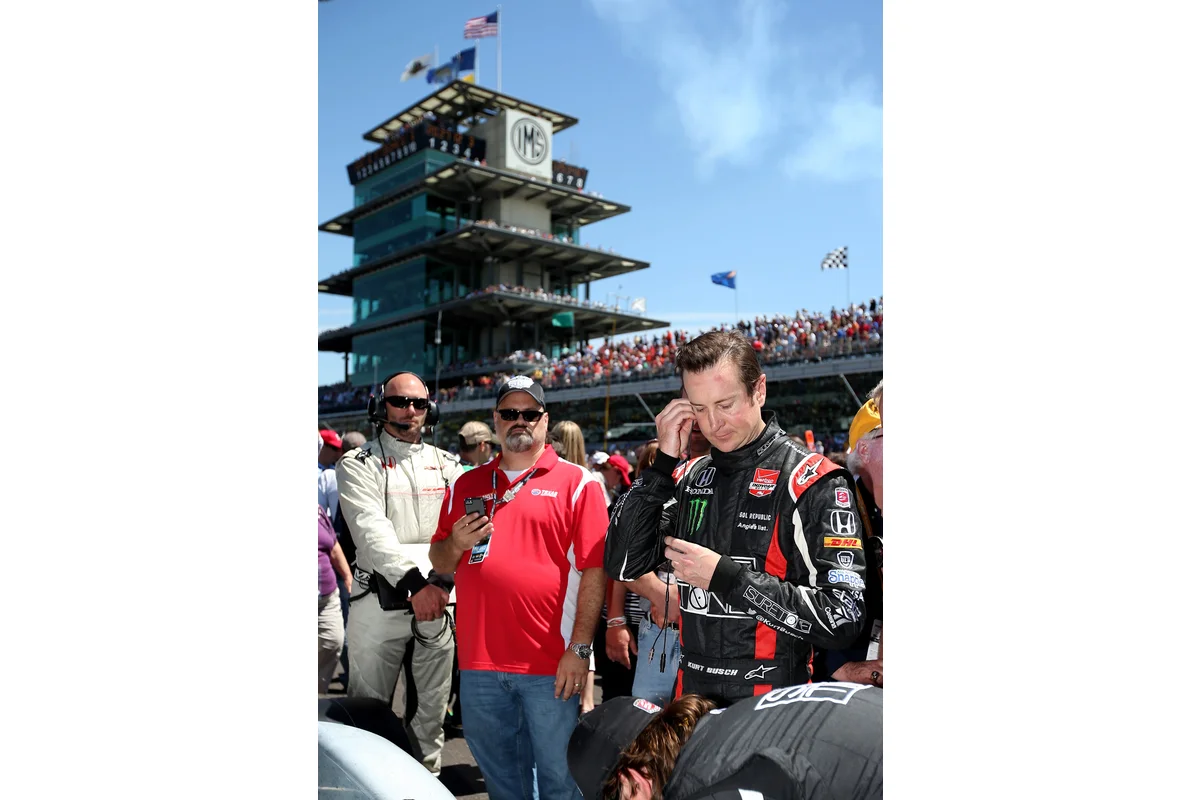
Even before his first national series campaign ended, Roush elevated Busch to the NASCAR Cup Series for the final seven races of 2000, launching him onto stock-car racing’s biggest stage, where he remained for 21 years.
Emerging Successes and the Birth of a Rival
Busch’s initial years in the Cup Series were marked by both growth and adversity. His rookie season in 2001 yielded modest results, but 2002 saw a dramatic step forward. The Vegas native claimed his first Cup victory in the spring race at Bristol Motor Speedway—a venue where he would ultimately earn six wins throughout his career.
Yet, alongside this improvement, his reputation for volatility emerged. In 2002, a rivalry with Chip Ganassi Racing’s Jimmy Spencer escalated throughout the season, originating during Busch’s inaugural Bristol win and boiling over at Indianapolis Motor Speedway. During the Brickyard 400, after being bumped into the wall by Spencer, Busch confronted him with a memorable gesture in the middle of the track in plain view of spectators and fellow competitors—an iconic scene that exemplified the fierce nature of NASCAR rivalries.
The Championship Season and Controversy’s Shadow
Busch’s career reached its highest point in 2004 when he secured a spot in the first-ever Cup Series playoffs. At the season finale at Homestead-Miami Speedway, he fought for the championship against Jeff Gordon and Jimmie Johnson. Despite a harrowing moment when he lost a wheel and narrowly avoided a catastrophic crash, Busch drove back to a fifth-place finish and clinched his only Cup Series championship at just 26 years old.
The glory was soon tainted by controversy. Near the end of the 2005 season, Busch was detained by police for reckless driving close to Phoenix Raceway, leading to his first NASCAR suspension and an exit from Roush Racing. Both parties publicly described the decision as mutual, but the drama signaled a tumultuous period ahead.
Rebuilding with Team Penske and New Challenges
Roger Penske, another storied team owner, recognized Busch’s undeniable talent and recruited him to replace Rusty Wallace in the Miller Lite No. 2 car. From 2006 to 2011, Busch’s tenure with Team Penske was his longest with any single outfit, yielding ten victories—including the prestigious Coca-Cola 600—and placing as high as fourth in the overall standings.
Despite on-track brilliance, Busch’s aggressive style led to clashes with notable names such as Tony Stewart, Jimmie Johnson, and his own brother, Kyle Busch. A dramatic family feud played out in 2007 at the All-Star Race in Charlotte Motor Speedway, where the brothers wrecked, leading to a yearlong silence between them. Further controversy struck in 2011 after the season finale at Homestead, when Busch was recorded swearing at an ESPN camera crew, resulting in his release from Penske and another professional setback.
Struggles with Phoenix Racing and Further Turmoil
Busch found himself with under-resourced Phoenix Racing in 2012, piloting the No. 51 car. That year proved to be a career nadir, with few highlights except a third-place run at Sonoma Raceway. His temper continued to make headlines—his feud with former teammate Ryan Newman at Darlington Raceway led to probation, and an incident at Dover Motor Speedway involving a verbal threat to reporter Bob Pockrass resulted in another suspension. The periods of unrest fostered doubts about Busch’s future in high-level NASCAR racing.
A Remarkable Comeback and the “Outlaw” Reputation
Defying the odds, Busch engineered a dramatic revival. In 2013, he joined Furniture Row Racing—then a single-car team with limited resources. Although he did not win a race that season, his performance included 11 top-five finishes and a 10th-place points result, the organization’s best ever at that time. By 2014, his reputation for controversy had earned him the moniker “The Outlaw.”
Later that year, Gene Haas brought him into Stewart-Haas Racing, marking another major chapter. Between 2014 and 2018, Busch notched six victories, including the prestigious Daytona 500 in 2017, and achieved a sixth-place finish in his first-ever Indianapolis 500 entry, earning Rookie of the Year honors—a rare accomplishment for NASCAR drivers in the esteemed open-wheel event.
Final Winning Years and the Unforgettable End
Busch’s career remained on the move as he joined Chip Ganassi Racing in 2019, where he collected three wins through 2021. Notably, he bested his brother Kyle in late-race showdowns at Kentucky Speedway and EchoPark Speedway, and finally triumphed at his home venue, Las Vegas Motor Speedway, in 2020. His ability to adapt across various teams and manufacturers became a defining hallmark of his journey.
In 2022, Busch joined 23XI Racing, delivering the team its first win under green-flag conditions at Kansas Speedway and becoming the only NASCAR driver to win races for Ford, Dodge, Chevrolet, and Toyota. Yet tragedy struck at Pocono Raceway that year: during a qualifying run, Busch spun and crashed, sustaining a concussion that ended his competitive career.
Despite the abrupt, injury-induced finish, Busch departed the sport while still performing at the top level, having spent more than two decades racing among NASCAR’s elite.
The Legacy of Kurt Busch’s NASCAR Career Highlights
Kurt Busch’s NASCAR career highlights—spanning 34 wins, a championship, and competition for seven Cup Series teams—cement his legacy as not only a remarkable journeyman but also a relentless competitor who overcame adversity time and again. From fiery rivalries with the likes of Jimmy Spencer and Ryan Newman to rival brother Kyle Busch, clashes with Tony Stewart and Jimmie Johnson, and pivotal moments with team owners like Jack Roush, Roger Penske, and Gene Haas, the personalities and partnerships along the way forged a career that was as compelling off the track as on it.
While legal issues and suspensions cast shadows, his ability to rebound demonstrated a unique resilience. His wins at Bristol Motor Speedway, Daytona 500, Coca-Cola 600, and especially Las Vegas Motor Speedway, alongside his cross-manufacturer victories, add nuance and achievement to his robust record.
As Busch transitions to his new Hall of Fame status, the impact of his career is clear: he elevated smaller teams like Furniture Row Racing, kept established organizations competitive, and brought intensity and energy to every race and rivalry. The significance of his journey lies not only in the numbers but in the fierce spirit he brought to NASCAR—a legacy that will resonate for generations of fans and drivers to come.