
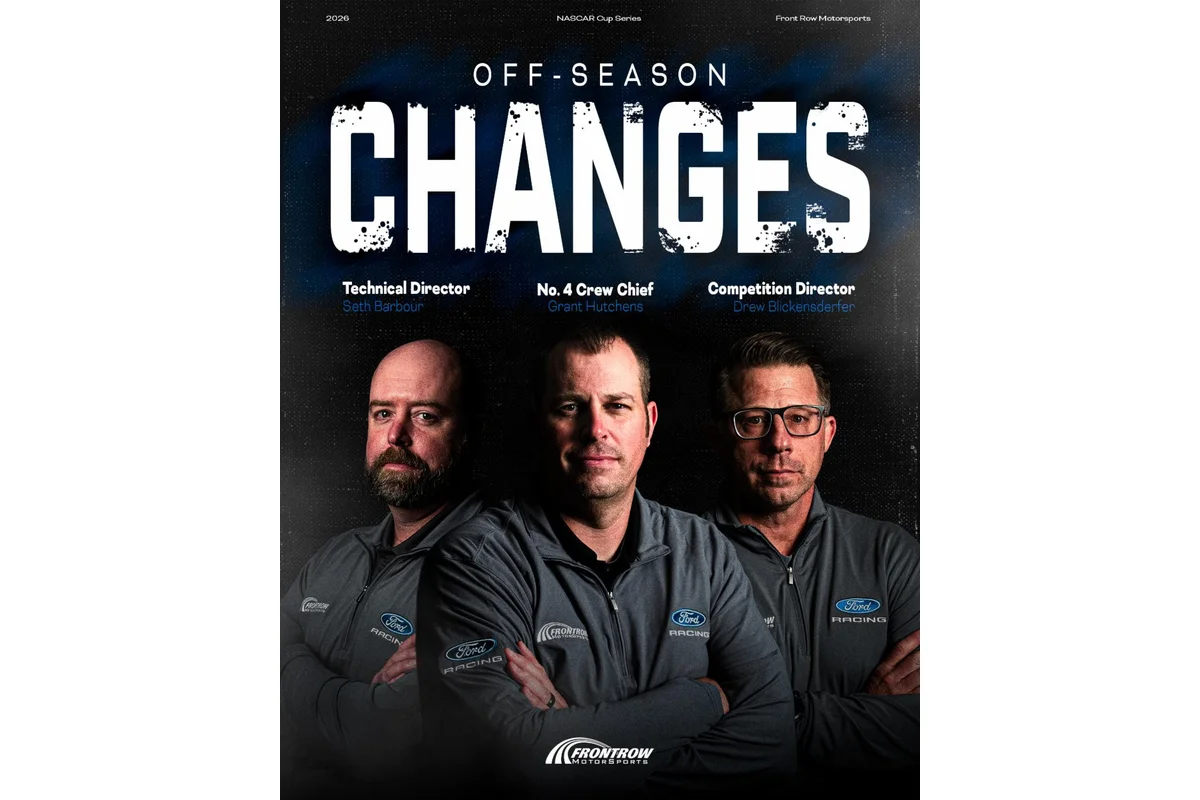
The 2026 NASCAR Cup Series changes are set to bring subtle yet impactful updates in the world of stock car racing, as the competition maintains much of its current roster while introducing significant team realignments and technical upgrades. With stability across most drivers, only a few key moves and strategic shifts among teams and manufacturers will define the new season beginning in 2026.
Key Driver Transitions and Stable Lineups
In 2026, the majority of drivers will stay with their current teams, with only a handful of noteworthy transitions. Daniel Suárez, a prominent name from past seasons, will leave Trackhouse Racing to join Spire Motorsports, marking a fresh chapter for both the driver and the organization. Trackhouse Racing, meanwhile, will welcome Connor Zilisch to take the seat of the No. 88 Chevrolet previously driven by Shane van Gisbergen, signaling an opportunity for Zilisch to prove himself at the Cup level after his rise through Xfinity.
Team Strategies and Manufacturer Shifts for the New Season
Alongside the moderate driver movement, several teams are making notable technical and strategic adjustments. Trackhouse Racing expands its reach by fielding Zilisch for 25 races with major sponsorship from Red Bull, which should enhance their competitiveness. A manufacturer realignment is also taking place, as Rick Ware and Haas Factory teams are set to switch from Ford to Chevrolet, reflecting a wider trend toward the bowtie brand for 2026. However, no significant team expansions have been reported outside these moves, with most stables renewing existing sponsorships and focusing on internal development.
Power Upgrades and Technical Enhancements
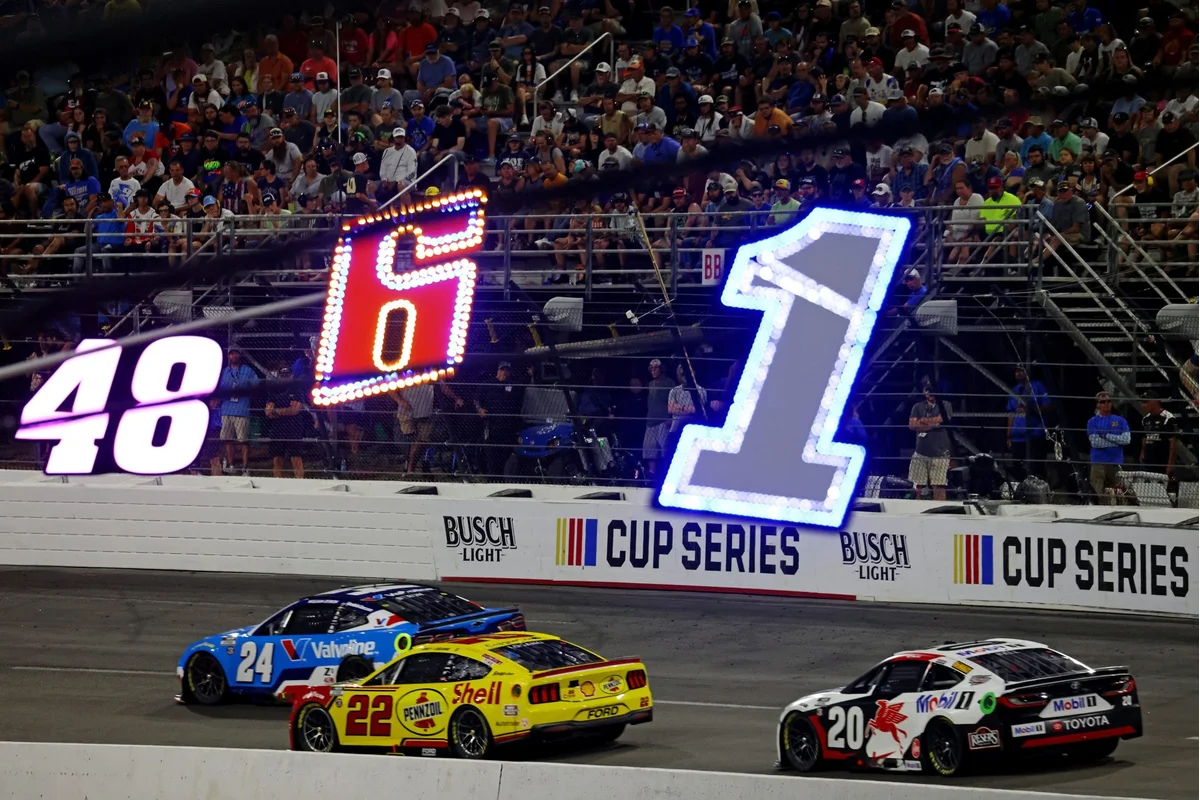
Technical regulations for the upcoming series will see a power increase, as NASCAR raises horsepower on short ovals and road courses from the previous 670 to approximately 750. This adjustment aims to enhance the excitement for both drivers and fans, promising higher speeds and potentially closer racing on these track types.
Sponsorships, Competition Structure, and Race Calendar Updates
The consistent lineup reflects an environment with limited chartered seat availability, which may limit opportunities for new talent to break into the Cup Series. This stability, while offering continued exposure for established drivers, could also be seen as a barrier to the emergence of rising competitors.
Several returning race tracks and new event configurations are set to draw interest throughout the season. Chicagoland will host a July doubleheader, while North Wilkesboro is primed for its first Cup points race in decades, generating excitement for competitors and fans alike.
Looking Ahead: What the 2026 Season Means for NASCAR
The combination of minimal but strategic driver changes, innovative manufacturer alignments, and technical power boosts positions the 2026 NASCAR Cup Series for a year that balances tradition with evolution. As teams like Trackhouse Racing and Spire Motorsports adjust their lineups and approaches, the championship landscape may shift subtly, impacting both competitive dynamics and the entry path for budding drivers. Observers and enthusiasts alike will be watching closely to see how these adjustments influence the season’s intensity and the sport’s competitive future.

