

toyota/”>Toyota doomed on superspeedways has been a growing concern, and Christopher Bell’s latest win at Atlanta Motor Speedway has only added to the debate. While the victory seemed like a breakthrough, it also exposed lingering struggles that Toyota has faced for years. With just two superspeedway wins in the Next Gen Era, the manufacturer continues to fall behind Ford and Chevrolet. Was this race a turning point, or does Toyota still lack the strength to compete at these tracks?
Key Highlights
- Christopher Bell’s singular win highlights Toyota’s limited success at superspeedways, with only two victories in 14 races during the Next Gen Era.
- The victory at Atlanta is viewed as an outlier, emphasizing Toyota’s overall struggles against Ford and Chevrolet.
- Bell’s tactical acumen contrasts with Toyota’s frequent reliance on chaotic race conditions for success, underscoring strategic deficiencies.
- Disjointed teamwork among Toyota drivers hampers their competitiveness, as seen in the Talladega race where coordination was lacking.
- Future improvements in drafting strategies and in-race collaboration are essential for Toyota to enhance their performance at superspeedways.
The Superspeedway Struggles: Toyota’s Nightmare Continues
Although Toyota has made notable investments and efforts to compete at NASCAR‘s most challenging superspeedways, the statistics reveal a persistent struggle that continues to raise questions about the manufacturer’s competitiveness.
In the Next Gen Era, Toyota has consistently lagged behind its American rivals, Ford and Chevrolet, securing only two victories out of 14 superspeedway races. This clear contrast in performance highlights the difficulties Toyota faces in mastering the unique dynamics of tracks like Daytona, Talladega, and Atlanta.
While Christopher Bell‘s recent win at Atlanta may suggest a flicker of hope, it remains an anomaly amid a broader trend of underachievement. The ongoing dominance of Ford and Chevrolet at these venues emphasizes the pressing need for Toyota to refine its strategies and improve its engineering skill.
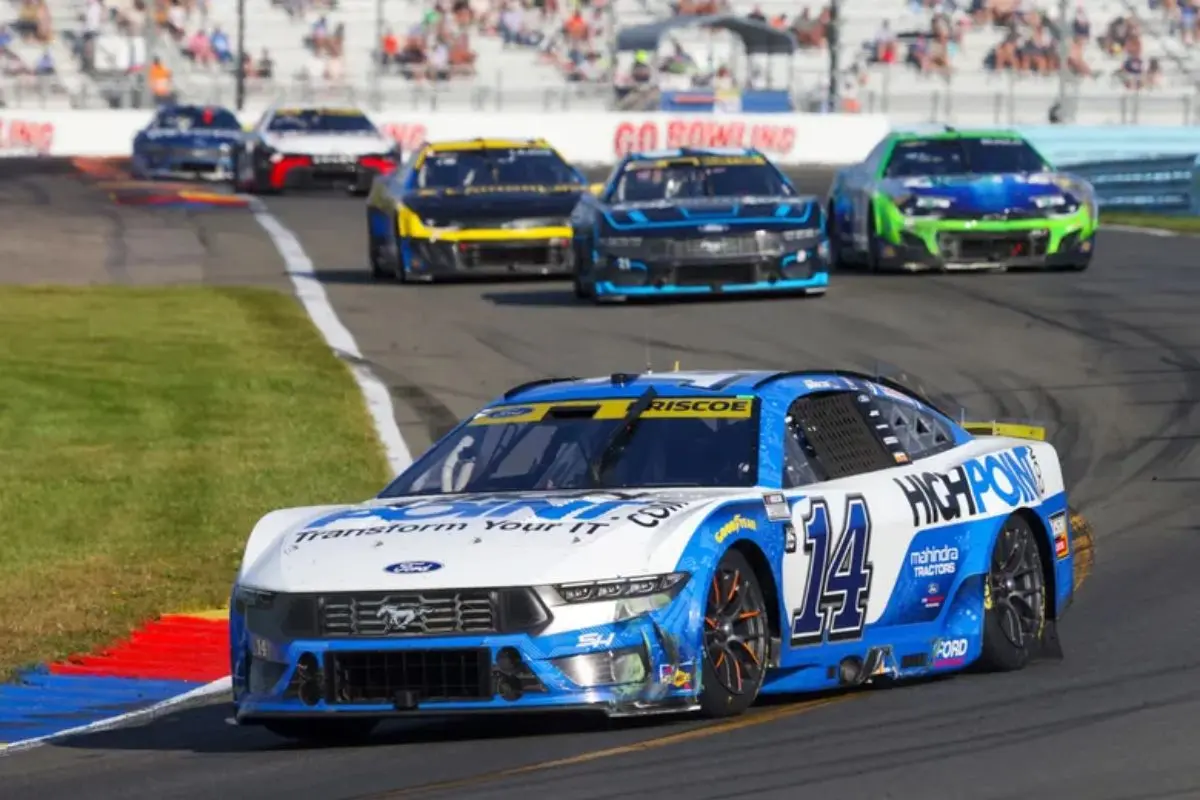
Christopher Bell’s Victory: A Breakthrough or Just Luck?
What can be made of Christopher Bell’s unexpected victory at Atlanta? While some may argue it was mere luck, the race revealed tactical insight that belied the outcome.
Bell’s performance, characterized by a remarkable understanding of race dynamics, included:
- Timing his moves to avoid unnecessary risks in the pack.
- Observing the competition from the rear, allowing others to dictate the pace.
- Executing a decisive action at the race’s climax, seizing an opportunity when it mattered most.
His admission of discomfort while steering through the chaotic back reminded observers that success in superspeedway racing often hinges not on dominance, but on patience and precision.
“It felt like a different race inside that top 10 compared to being in the back.”
“I guess just the amount of downforce that the car has…you have to feel really comfortable and confident in your car to make those moves. And I didn’t feel that way whenever I was in the back of the pack. I felt like I could have crashed.” – Christopher Bell
Therefore, Bell’s victory may signal a breakthrough in approach rather than merely a stroke of fortune.
"I LOVE superspeedways!"- Christopher Bell talks with @ReganSmith after his dramatic Atlanta win! pic.twitter.com/rkFQjnUBd8
— FOX: NASCAR (@NASCARONFOX) February 23, 2025
Toyota’s Superspeedway Puzzle: Strategy or Engineering Flaws?
While Christopher Bell’s recent victory at Atlanta may have sparked hope for Toyota’s performance at superspeedway events, the underlying issues facing the manufacturer remain substantial and complex.
Unlike their competitors, Chevrolet and Ford, which have cultivated a strong foundation at these tracks, Toyota’s successes often hinge on chaotic circumstances rather than tactical execution. This raises critical questions about the aerodynamic efficiency of their cars in the draft, the horsepower necessary for dominance, and potential flaws in their race-day strategies.
“So I have felt this way for a while now, Speedway racing with the Toyotas. Like our best move…is to be behind and then try and poke out at the very end & be the aggressor coming to the line or coming to the end of the stage.” – Christopher Bell
Additionally, the lack of cohesive teamwork among Toyota drivers, in sharp contrast to the brand loyalty seen in Ford and Chevrolet, leaves their vehicles isolated and exposed, ultimately undermining their efforts to consistently compete at the front during superspeedway races.
“I didn’t feel like I have a legit shot at competing for the win in the closing laps, but then whenever you have a green light checkered and you’re in the front two rows, it was definitely in that time that I was like, Hey! I am going to have a shot at it if I do my job right and everything falls right.” – Christopher Bell

The Talladega Debacle: A Costly Strategic Failure
Toyota’s performance at the 2024 Talladega race exemplified the challenges that have plagued the manufacturer throughout the superspeedway season. The ambitious plan to pit early and gain late track position unraveled spectacularly, resulting in chaos that tarnished their efforts.
Key highlights of this debacle included:
- Multiple crashes sparked by contact within the Toyota ranks, eliminating several contenders.
- A glaring lack of coordination among the three teams—Joe Gibbs Racing, 23XI Racing, and Legacy Motor Club.
- A clear contrast to the seamless teamwork exhibited by Chevrolet and Ford, who dominated the race’s flow.
Although Tyler Reddick achieved a dramatic win, his victory was less a reflection of Toyota’s skill and more a reflection of opportunistic teamwork, highlighting deeper tactical deficiencies.
“I really am thankful that Martin and Ty both decided to stay behind me and were dedicated to pushing me. If it wasn’t for that, I don’t think we win today.” – Tyler Reddick
The Road Ahead: Can Toyota Fix Its Superspeedway Woes?
How can a team with the pedigree of Toyota navigate the challenges of superspeedway racing and emerge as a powerful contender?
While Christopher Bell and Tyler Reddick have proven that Toyota can secure victories under favorable conditions, their performance remains inconsistent compared to rivals Ford and Chevrolet, which regularly dominate the top ten.
To address this disparity, Toyota must improve teamwork, focusing on effective drafting strategies that utilize the strength of multiple cars.
Furthermore, developing a car capable of leading the pack, rather than merely following, is vital. Enhancing in-race coordination will help avoid costly mistakes, such as those witnessed at Talladega.
As the NASCAR playoffs approach, Toyota faces stress to transform sporadic wins into a consistent threat on superspeedways.

News In Brief: Is Toyota Doomed on Superspeedways
Christopher Bell’s surprising victory at the superspeedway has sparked discussions about Toyota’s persistent challenges in this high-stakes arena. While some may view the win as a mere stroke of luck, it could also signify a significant moment for the team. However, underlying issues, including tactical missteps and potential engineering shortcomings, continue to plague Toyota. Moving forward, addressing these concerns will be essential if they hope to regain their competitive edge and consistently perform well on superspeedways.
ALSO READ: Dirt Racing Danger Looms Over Joe Gibbs Racing as Christopher Bell’s Passion Tests Team’s Limits

